


Wondering where it’s safe for you to travel? With so many destinations on your bucket list, figuring out which places are secure can feel overwhelming. Whether you’re planning a relaxing beach getaway or an adventurous mountain escape, safety should always be a priority.
Key Takeaways
- Research Safe Destinations: Countries like Canada, Japan, and New Zealand rank high in travel safety, with low crime rates and solid healthcare systems.
- Stay Informed on Travel Advisories: Regularly check the U.S. State Department’s website for up-to-date travel advisories regarding safety, health risks, and local regulations.
- Health and Entry Requirements: Be aware of specific entry requirements, such as vaccinations and health documentation, to ensure compliance and safety during your travels.
- Cultural Awareness Matters: Understanding and respecting local customs can enhance your safety and foster positive interactions with locals.
- Consider Travel Insurance: Investing in travel insurance can provide added protection against medical emergencies and trip disruptions, giving you peace of mind while traveling.
- Utilize Safety Resources: Use mobile apps for real-time safety updates and alerts, ensuring you stay informed of local conditions and emergency contacts throughout your journey.
Current Travel Landscape
Travel safety has transformed in recent years, influenced by global events. Understanding the dynamics of current travel safety will inform your journey decisions.
Safe Destinations
Countries such as Canada, Japan, and New Zealand consistently rank high for traveler safety. These places enjoy low crime rates and have robust healthcare systems. They also implement strict safety regulations, making travel easier and more secure.
Popular Regions
Within the U.S., regions like Hawaii, the Pacific Northwest, and New England demonstrate heightened safety measures. Each area boasts friendly communities and excellent emergency response systems. Ensure you explore local guidelines to help navigate your visit.
Safety Measures
Governments issue travel advisories to communicate risks. Check the U.S. State Department’s website for up-to-date travel advisories before planning. These advisories evaluate safety issues like crime, health risks, and civil unrest.
Health Considerations
Health risks vary by destination. Some countries require vaccinations or health documentation. Review specific entry requirements through the CDC or WHO sites. Being informed about local health concerns, like outbreaks or natural disasters, ensures a smoother trip.
Cultural Awareness
Respect for local customs enhances safety. Understand norms and practices in your destination. Researching cultural etiquette helps you avoid misunderstandings and fosters positive interactions with locals.
Travel Insurance
Invest in travel insurance for added protection. Insurance can cover medical emergencies or trip disruptions. Evaluate several policies to find one that matches your needs and provides comprehensive coverage.
Tools & Resources
Utilize mobile apps for real-time safety updates and alerts. Apps like SmartTraveler or safety apps specific to your destination can keep you informed. They offer insights on local emergency contacts and situational updates.
Preparing for Travel
Pack smartly by including a first aid kit and necessary medications. Familiarize yourself with local emergency procedures. Knowing how to get assistance can prove beneficial during unexpected situations.
Popular Destinations
US citizens can enjoy numerous safe travel destinations around the world. Here are some top picks for secure and welcoming locations.
Recommended Products


A PRESENT TO YOUR SOMEONE SPECIAL --- Our mug is a gift for someone who love taking their morning coffee on the commute or on-the-go. Be it for your brother, sister, mom, dad, grandpa, grandma, best friend, boyfriend, girlfriend, son, daughter, fiance, husband, wife, in laws, cousins, aunts, uncles, boss, coworkers, him or her, you can also give this coffee mug to anyone and see them enjoy their happiness!
Safe Countries for US Citizens
- Canada: Known for its friendly citizens, Canada boasts low crime rates and excellent healthcare services. Destinations like Toronto and Vancouver offer vibrant cultures and stunning natural landscapes.
- Japan: Japan ranks high in safety, with low violent crime rates and efficient public transportation. Cities like Tokyo and Kyoto provide rich cultural experiences and hospitality.
- New Zealand: New Zealand features breathtaking scenery and a peaceful atmosphere. The country maintains a strong focus on health and safety, making it a popular choice for adventure seekers.
- Australia: Australia offers numerous safe cities, including Sydney and Melbourne. Its modern amenities and friendly locals create a welcoming environment for travelers.
- Iceland: Iceland stands out for its low crime rates and stunning natural wonders. The capital, Reykjavik, presents a unique blend of culture and safety.
- Portugal: Portugal has gained popularity for its warm climate and safety. Cities like Lisbon and Porto are renowned for their rich history and vibrant culinary scenes.
- Costa Rica: Costa Rica’s focus on eco-tourism attracts many travelers. Its friendly communities and strong emphasis on safety make it ideal for nature lovers.
- Slovenia: Slovenia is emerging as a safe European destination. Ljubljana, the capital, showcases charming architecture and lush parks, offering a peaceful atmosphere.
- Uruguay: Uruguay provides a laid-back vibe and is known for its safety. Montevideo and Punta del Este offer beautiful beaches and rich cultural experiences.
- Georgia: Georgia, particularly its capital Tbilisi, is becoming a sought-after destination. The country’s mix of history and modernity, coupled with its hospitality, ensures a safe visit.
Explore these destinations for peace of mind while traveling. Prioritizing safety enhances your travel experience, allowing you to fully immerse yourself in new cultures and adventures.
Travel Safety Tips
Prioritizing safety enhances your travel experience. These tips can help ensure secure and enjoyable journeys.
Recommended Products
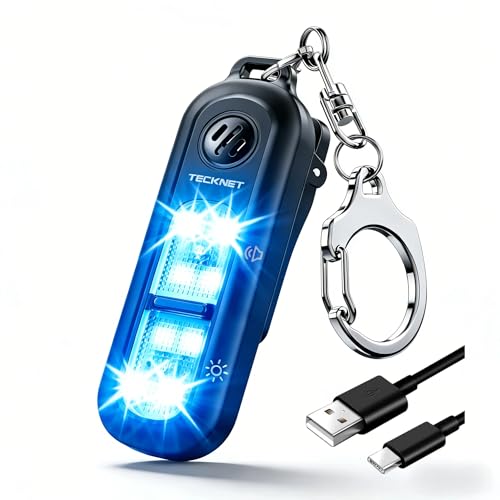
【Clip-on Light & 135dB Personal Alarm】This safety alarm for women delivers powerful illumination for clear visibility during nighttime runs, walks, or in dimly lit areas like underground parking. To ensure safety when walking alone or in an emergency, simply double-click the button to activate a powerful 135dB high-frequency alarm (upgraded from 130dB, equivalent to a car horn). The piercing sound covers a radius of 500 ft, effectively alerting others and deterring potential threats, providing instant emergency alert and peace of mind
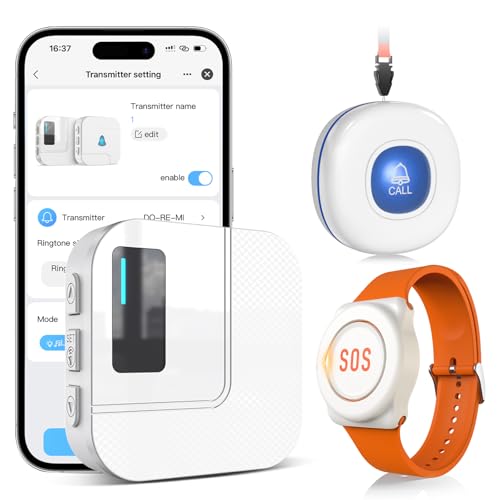
Wireless APP Caregiver Pager: The WIFI wireless caregiver pager use 433MHz technology for a 328ft /100m range, penetrating walls and doors, suitable for most homes; The Wireless Receiver connects easily to home Wi-Fi for smart global access. Note: Only supports 2.4G Wi-Fi, not 5G.

Divoti Medical Emergency Protection Bracelet: Type 2 Diabetes is deeply laser-engraved on 316L stainless silver, which has a smooth PVD black finish. includes access to medical alert apps and a free wallet card that can be customized. Fast emergency response is guaranteed, making it perfect for everyday wear, travel, and life-saving comfort.
Researching Travel Advisories
Check official travel advisories from sources like the U.S. State Department or the CDC. Each advisory provides essential information about safety concerns, health risks, and local laws. Review these updates regularly, especially before your trip. Use reliable websites and apps to stay informed about conditions at your destination. For example, the State Department uses a color-coded system to rank safety levels. Areas marked in red indicate do not travel advice, while those in green signal safety.
Staying Informed While Traveling
Stay updated on local conditions during your trip. Download travel safety apps that provide real-time alerts about emergencies or civil unrest. Follow local news outlets for relevant information. Engage with fellow travelers or locals, who can offer insight into safe areas and potential risks. Carry a portable charger for your devices to ensure you maintain access to information. In addition, familiarize yourself with local emergency numbers, including police and medical contacts, to act quickly if needed.
Understanding Risks
Traveling involves various risks that you should understand to ensure safety. By recognizing these risks, you can make informed choices about your destinations and enhance your overall travel experience.
Recommended Products
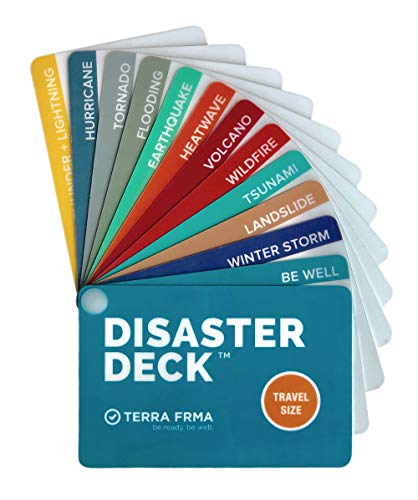
✅ 1. KNOW EXACTLY WHAT TO DO IN AN EMERGENCY When disaster strikes, there’s no time to think. This emergency preparedness tool provides clear, step-by-step actions so you can respond quickly and confidently in real-world situations.

Emergency kit or disaster preparedness: Stay prepared for emergency situations everywhere you go. Ready America emergency survival kits sustain 4 people for 3 days (72 hours). Basic essential emergency supplies recommended by the American Red Cross

Quality material used to make all Pro force products
Political Situations
Government stability and political climate significantly impact travel safety. Keep an eye on regions experiencing civil unrest, political protests, or instability. For instance, countries with ongoing conflicts may pose higher risks. Check daily news updates or reliable sources, like the U.S. State Department’s travel advisories, for current information on political situations. Engage with locals or expatriates on the ground to gain insights into the conditions that might affect your safety.
Natural Disasters
Natural disasters can disrupt travel plans and pose safety hazards. Some regions face specific risks, such as hurricanes in the Caribbean, earthquakes in Japan, or wildfires in California. Familiarize yourself with the potential natural disasters of your chosen destination. Research seasonal patterns, as certain times of the year can bring increased risk. Consider registering with your embassy for alerts, and acquire travel insurance that covers natural disasters for added peace of mind. Always have an emergency plan in place for these unpredictable events.
Conclusion
Traveling can be one of life’s greatest joys and staying safe while exploring new places is key to making the most of your adventures. By choosing destinations known for their safety and being proactive in your planning you can enjoy peace of mind on your journey.
Staying informed about local conditions and understanding cultural nuances can enhance your experience and help you connect with the communities you visit. Remember to prioritize your health and safety by keeping up with travel advisories and packing smart.
With a little preparation and awareness you can embark on unforgettable trips that leave you with cherished memories. So go ahead and start planning your next adventure—safely!
Frequently Asked Questions
Why is travel safety important when choosing a destination?
Travel safety is crucial as it ensures your well-being during a trip. Prioritizing safe destinations helps you avoid risks like crime, health issues, and civil unrest, allowing you to enjoy your vacation stress-free.
What are some safe travel destinations?
Some top safe destinations include Canada, Japan, and New Zealand. In the U.S., places like Hawaii, the Pacific Northwest, and New England also offer heightened safety measures and friendly communities.
How can I stay updated on travel safety?
Check government-issued travel advisories for the latest information on crime, health, and civil unrest. Follow local news, download safety apps, and engage with locals to stay informed during your trip.
What health considerations should I keep in mind?
Be aware of vaccination requirements and local health concerns before traveling. Staying informed about health conditions can help you prepare adequately and avoid potential risks.
Why is cultural awareness important for travelers?
Understanding local customs enhances safety and fosters positive interactions with locals. It helps travelers respect different cultures and navigate social situations more effectively.
Should I get travel insurance?
Yes, travel insurance is recommended to protect against medical emergencies or trip disruptions. It provides peace of mind and ensures you’re covered in case of unexpected events.
What should I pack for safety when traveling?
Smart packing includes carrying a first aid kit and familiarizing yourself with local emergency procedures. This preparation helps ensure you’re ready for any situation that may arise.
How can I prepare for natural disasters while traveling?
Research seasonal patterns and potential hazards specific to your destination. Have an emergency plan in place and register with your embassy for alerts to stay safe during your travels.
