


Walking your dog safely in varying temperatures requires understanding both heat and cold limits. Generally, temperatures below 20°F and above 85°F can pose risks to your dog’s health. Knowing these thresholds helps ensure your pet remains comfortable and safe during outdoor activities.
Dog Temperature Tolerance by Breed and Conditions
Dogs have unique tolerances to temperature extremes. Factors such as breed, coat type, age, and health status play crucial roles in determining how well your dog can handle heat or cold. Generally, small breeds or those with short coats may struggle more in cold weather, while brachycephalic breeds can overheat quickly in the heat.
Recommended Products

Crafted with upgraded high-performance cooling mat fabric, this pet cooling mat features a high Q-max coolness value up to 0.45 for instant and long-lasting heat dissipation. Filled with fluffy soft PP cotton and designed with a warm flannel backing, it delivers cozy cooling in summer and gentle warmth in cold weather, realizing all-season practicality. The premium dog cooling mat surface quickly draws away pet body heat to keep your furry friend refreshed all day long.

【Cool and Comfortable】Made with advanced cooling fabric, this dog cooling mat helps create a cooler resting surface for pets during warm weather. It provides a refreshing and comfortable space for dogs and cats to relax, nap, and stay comfortable throughout the day.
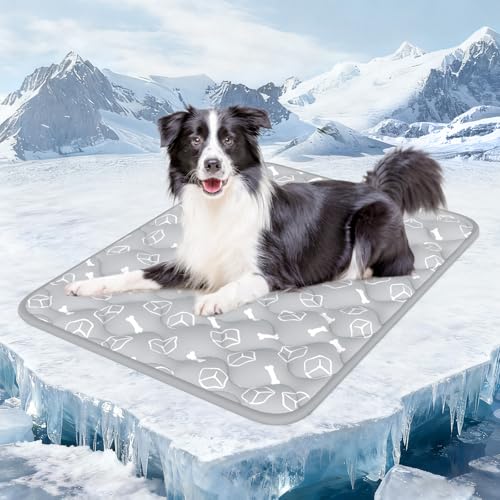
🐶 【Lasting Coolness & Enhanced Durability】Engineered for extended cooling without recharging, our thickened Arc-Chill fabric maintains a refreshing 4–6°F temperature drop throughout hot days. The reinforced materials resist chewing and scratches, offering reliable performance season after season—perfect for active or senior pets who need consistent heat relief.
Dog Walking Temperature Safety Guidelines
Understanding the ideal temperature for walking your dog is crucial for their health and safety. Extreme heat or cold can pose serious risks, making it essential for pet owners to be informed about safe walking conditions. This guide provides key temperature guidelines to help ensure your dog enjoys outdoor activities without compromising their well-being.
To help you gauge when it’s safe to walk your dog, here are some general temperature guidelines:
| Temperature Range | Safety Level | Recommended Action |
|---|---|---|
| Below 20°F | High Risk | Avoid outdoor walks |
| 20°F to 32°F | Moderate Risk | Limit walk duration |
| 32°F to 60°F | Safe | Normal walks are fine |
| 60°F to 85°F | Ideal | Enjoy extended walks |
| Above 85°F | High Risk | Walk early or late in the day |
Identifying Heat Stress in Dogs
Understanding how to identify heat stress in dogs is crucial for their safety during warm weather. Dogs can suffer from heat-related illnesses quickly, and recognizing the early signs can prevent serious health issues. This section will outline the symptoms to watch for and provide guidance on how to keep your dog comfortable in the heat.
Heat stress can escalate quickly in dogs. Signs include excessive panting, drooling, lethargy, and difficulty standing. If you notice any of these symptoms, immediately move your dog to a cooler area and provide water.
-
Act Quickly: Remove your dog from heat.
-
Hydrate: Offer cool, fresh water.
-
Cool Down: Use a wet cloth or cool water.
Cold Weather Safety for Your Dog
As winter sets in, understanding how cold weather affects your dog is crucial for their safety and well-being. Dogs can be vulnerable to low temperatures, and knowing how to protect them during chilly walks is essential. This section outlines the risks associated with cold weather and offers practical tips to ensure your furry friend stays warm and healthy.
Cold weather can be equally dangerous. Dogs can suffer from frostbite and hypothermia. Pay attention to your dog’s behavior; shivering, whining, or seeking shelter indicates discomfort.
-
Limit Time Outdoors: Shorten walks in extreme cold.
-
Use Protective Gear: Consider dog coats and boots.
-
Monitor Paw Health: Check for ice or salt buildup.
Gear Selection for Dog Temperature Comfort
Choosing the right gear for your dog is essential to ensure their comfort and safety in varying temperatures. From insulated jackets for cold weather to breathable harnesses for hot days, the right equipment can make a significant difference in your dog’s well-being during walks. Understanding these options will help you keep your furry friend happy and healthy year-round.
Selecting appropriate gear can enhance your dog’s comfort in varying temperatures. For heat, consider a cooling vest or paw balm to protect their pads. In cold weather, a dog coat and booties can prevent frostbite.
| Gear Type | Purpose | Recommended Features |
|---|---|---|
| Cooling Vest | Regulates body temperature | Lightweight, breathable fabric |
| Paw Balm | Protects pads from heat | Non-toxic, waterproof |
| Dog Coat | Insulates against cold | Waterproof, insulated lining |
| Booties | Protects paws from ice | Non-slip soles, adjustable straps |
Optimal Walking Times for Dog Safety
Understanding the best times to walk your dog is crucial for their safety and well-being. Extreme temperatures can pose serious risks, making it essential to know when conditions are most favorable. This section will outline the optimal walking times to ensure your furry friend stays comfortable and healthy during outdoor excursions.
Timing is crucial for safe walks. During hot months, opt for early morning or late evening walks when temperatures are cooler. In winter, walk during the warmest part of the day to minimize exposure to extreme cold.
-
Plan Ahead: Check weather forecasts.
-
Adjust Walk Times: Walk during optimal temperature ranges.
-
Stay Aware: Monitor your dog’s comfort level throughout the walk.
Temperature Safety Guidelines for Dog Walking
Understanding the temperature safety guidelines for dog walking is essential for ensuring your pet’s well-being. Extreme heat or cold can pose serious risks to dogs, affecting their health and comfort during walks. This section outlines the key temperature ranges and considerations to help you make informed decisions about when it’s safe to take your dog outside.
Always be cautious of extreme temperatures. If unsure about the safety of a walk, err on the side of caution and keep your dog indoors.
Assessing Canine Temperature Tolerance
Understanding your dog’s temperature tolerance is crucial for their safety during walks. Different breeds and sizes have varying thresholds for heat and cold, which can impact their comfort and health. This section will help you assess your dog’s specific needs based on environmental conditions, ensuring enjoyable and safe outdoor experiences.
Each dog is different. Regularly assess your dog’s comfort and health during walks. Consult with a veterinarian if you have concerns about your dog’s ability to handle specific temperatures.
Understanding temperature safety is essential for keeping your dog healthy and happy during walks. By following these guidelines, you can enjoy outdoor activities with your pet while ensuring their well-being.
