


Are you thinking about traveling within the US but feeling unsure about safety? You’re not alone. Many people share the same concerns, especially with all the news and updates surrounding travel these days.
Key Takeaways
- Travel Safety Overview: Traveling within the US is generally safe, but safety concerns may vary by region, necessitating awareness of local conditions.
- Monitor Crime Rates: Understand that crime rates differ significantly between urban areas and rural settings, and consult resources like the FBI’s Uniform Crime Reports for current statistics.
- Stay Prepared for Natural Disasters: Be aware of the potential for natural disasters depending on your destination, and always monitor weather alerts for your travel area.
- Public Transportation Caution: While public transport is generally safe, remain vigilant, especially in less crowded settings, and avoid traveling during late hours alone.
- Health Guidelines Awareness: Keep current on health advisories and COVID-19 protocols from the CDC, including vaccination status and mask recommendations, to ensure a safe journey.
- Travel Insurance Importance: Consider travel insurance to protect against unexpected events, including trip cancellations or medical emergencies, enhancing your peace of mind while traveling.
Overview of Travel Safety in the US
Traveling within the US is generally considered safe, but local conditions can vary. Awareness of specific regions and their safety ratings enhances your travel experience.
Crime Rates
You’ll find crime rates differ significantly across states and cities. Urban areas may have higher crime rates than rural settings. For instance, cities like Detroit, MI, and St. Louis, MO, report higher crime statistics compared to places like Boise, ID, or Burlington, VT. Checking local crime reports or resources such as the FBI’s Uniform Crime Reporting program offers valuable insights.
Natural Disasters
Natural disasters such as hurricanes, tornadoes, and wildfires affect various parts of the US. Regions like Florida face hurricanes, while tornadoes are common in the Midwest. You can stay safe by monitoring weather alerts and planning travel routes away from hazardous areas.
Public Transport Safety
Public transportation in cities generally remains safe, but you should stay alert. Avoid empty cars late at night and keep personal items close. Use well-lit stations and travel with company when possible. Apps like Transit and Citymapper can help you navigate safely.
Health Concerns
Health and safety protocols may change according to public health guidelines. It’s essential to stay updated on recommendations related to COVID-19 or other health concerns. Check with the CDC for the latest travel advisories to maintain safety during your trips.
- Keep emergency numbers accessible, including local authorities and your country’s embassy if you’re traveling internationally.
- Share your itinerary with a friend or family member.
- Trust your instincts—if a situation feels unsafe, remove yourself from it.
- Use reputable transportation services and avoid unmarked taxis.
Being informed helps you to navigate your travels safely across the US.
Current Travel Restrictions and Guidelines
Traveling within the US involves understanding current federal and state-specific guidelines. Awareness aids in safe navigation through diverse areas.
Federal Guidelines
The Centers for Disease Control and Prevention (CDC) provides guidance on domestic travel. Key points to consider include:
- Mask Recommendations: Masks are encouraged in crowded places and on public transportation, especially in areas of high transmission.
- Health Advisories: Stay informed about health advisories, particularly regarding COVID-19 variants. The CDC updates its site frequently, ensuring current information.
- Vaccination: While vaccinations aren’t mandatory for domestic travel, being fully vaccinated significantly reduces the risk of severe illness.
State-Specific Regulations
States have unique regulations and restrictions that impact travel. Here’s how to find relevant guidelines:
- Local Orders: Check each state’s official health department website for local travel orders. Restrictions can involve quarantine requirements and capacity limits for indoor spaces.
- Travel Alerts: Some states issue travel alerts during specific periods, such as natural disasters or outbreaks. State health departments provide resources to help navigate these instances.
- Public Transportation Policies: Different states may have distinct policies regarding the use of public transport. Familiarize yourself with each state’s rules to ensure compliance and safety.
Being proactive about these guidelines enhances the travel experience and ensures you stay safe while exploring.
Health and Safety Considerations
Understanding health and safety factors enhances your travel experience within the US. Keep informed about vaccination rates and public health recommendations to stay safe.
Recommended Products

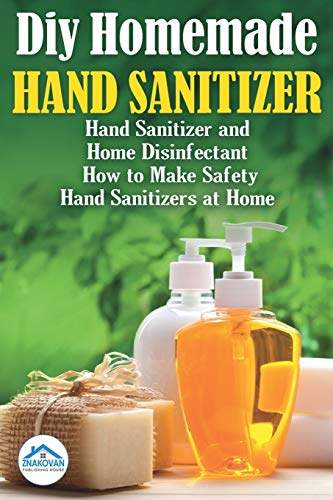

MOISTURIZING & ANTIMICROBIAL PROTECTION: Our formula effectively cleanses, purifies, and shields your skin from harmful bacteria.
COVID-19 Vaccination Rates
Vaccination rates vary across states and regions. As of October 2023, some states report over 75% of residents fully vaccinated, while others fall below 50%. High vaccination rates usually correlate with lower COVID-19 case numbers, making travel safer in those areas. Check local health department statistics before traveling. For example, California may have stricter travel guidelines compared to South Dakota due to differing vaccination levels.
| State | Vaccination Rate (%) | COVID-19 Cases (last 7 days per 100k) |
|---|---|---|
| California | 80 | 15 |
| Texas | 55 | 35 |
| New York | 86 | 10 |
| Florida | 60 | 25 |
Public Health Recommendations
Follow public health guidelines for a safer journey. The Centers for Disease Control and Prevention (CDC) provides several key recommendations.
- Wear Masks: Masks are recommended in crowded indoor settings, especially in areas with high transmission rates.
- Stay Updated: Monitor local health advisories related to COVID-19 and other outbreaks. These can change rapidly.
- Practice Hygiene: Regular hand washing or using hand sanitizer is essential. Keep hand sanitizer accessible during travels.
- Avoid Crowds: Choose less crowded activities when possible. This minimizes potential exposure to viruses.
- Get Tested: Consider getting tested before and after your trip, especially if you have symptoms or have been in high-risk areas.
Stay informed about state-specific travel orders, including quarantine requirements and capacity limits. Local public transportation policies may also differ, so familiarize yourself with those to ensure a smooth experience. Taking these precautions enhances safety as you navigate your travels across the US.
Crime and Safety Statistics
Understanding crime and safety statistics can enhance your travel experience across the US. While safety varies by region, reviewing specific data can provide valuable insights.
Crime Rates in Major Cities
Crime rates in major cities differ significantly. For example:
- New York City: In 2022, the overall crime rate decreased by 8%. The violent crime rate stood at 5.0 per 1,000 residents.
- Los Angeles: Reported a 9% increase in homicides in 2022, with a rate of 6.1 per 1,000 residents.
- Chicago: The city faced a 10% rise in violent crimes, with a total rate of 11.5 per 1,000 residents.
While urban centers may possess higher crime rates, they also feature dedicated police resources and community programs.
Safety in Rural Areas
Safety in rural areas typically presents lower crime rates. Many rural communities foster close-knit relationships, contributing to a safer environment. For instance:
- Vermont: Recorded a property crime rate of only 12.2 per 1,000 residents in 2022, one of the lowest in the nation.
- Wyoming: Had a significant drop in violent crimes, with rates around 3.8 per 1,000 residents.
Although crime rates are lower in rural areas, be cautious with isolated regions and always stay vigilant while exploring. Familiarize yourself with local customs and engage with residents for insights about safe practices.
Travel Insurance and Precautions
Travel insurance offers financial protection against unexpected events during your journey, making it a wise choice. Understanding its importance can enhance your peace of mind.
Importance of Travel Insurance
Travel insurance covers various scenarios, including trip cancellations, medical emergencies, and lost luggage. For example, if you encounter a personal emergency that forces you to cancel your trip, insurance can reimburse non-refundable expenses. Similarly, if you fall ill while traveling, insurance may cover medical costs, which can be substantial without it.
Consider obtaining travel insurance that caters to your specific needs. Policies often vary in coverage, so read the fine print carefully. Look for policies that include coverage for COVID-19-related disruptions and natural disasters. This ensures that if issues arise, you’re not left financially vulnerable.
Recommendations for Safe Travel
Following a few practical tips enhances safety while traveling within the US:
- Research Your Destination: Look up the safety ratings and health guidelines for your destination. Check recent news reports and official recommendations.
- Stay Informed on Weather Alerts: Monitor weather forecasts and local alerts. Natural disasters can occur unexpectedly, so staying informed allows you to alter plans if needed.
- Use Trusted Transportation Options: Opt for reputable taxi services or rideshare apps. Avoid unofficial transport methods to improve safety.
- Keep Essentials Accessible: Have important documents, emergency contacts, and travel itineraries easily accessible. Digital copies stored on your phone can be helpful.
- Practice Personal Safety Measures: Stay alert in crowded areas and avoid displaying valuable items. Use common sense regarding your surroundings.
- Follow Health Guidelines: Wear masks in crowded places as needed and practice good hygiene. Adhering to local health protocols protects you and others.
- Share Your Itinerary: Inform a friend or family member of your travel plans. This extra step ensures someone knows your whereabouts in case of emergencies.
Implementing these recommendations lays the groundwork for a safer travel experience. Safeguarding yourself and staying informed enhances enjoyment and reduces risks during your adventure.
Conclusion
Traveling within the US can be a rewarding experience if you take the right precautions. By staying informed about local safety conditions and health guidelines you can enjoy your journey with peace of mind. Remember to keep emergency contacts handy and share your plans with someone you trust.
Each destination has its unique charm and understanding the local environment can enhance your adventure. Whether you’re exploring bustling cities or tranquil rural areas being aware of your surroundings will help you stay safe. So pack your bags and get ready to make some amazing memories across this diverse country. Safe travels!
Frequently Asked Questions
Is traveling within the US safe?
Traveling in the US is generally safe, but safety can vary by region. Urban areas often have higher crime rates compared to rural ones. Staying informed about local safety conditions can enhance your travel experience.
How can I stay updated on health protocols for travel?
To stay informed about health protocols, regularly check the CDC’s guidelines and your local health department’s website. This will help you understand mask recommendations and any travel restrictions related to COVID-19.
What should I know about traveling during inclement weather?
When traveling, especially in hurricane or tornado-prone areas, monitor weather alerts closely. Being aware of potential natural disasters can help you plan your travel and ensure safety at your destination.
Are public transportation options safe?
Public transportation in the US is generally safe, but it’s important to stay alert and use reputable services. Always keep your personal belongings secure and be aware of your surroundings while traveling.
Why is travel insurance important?
Travel insurance provides financial protection against unexpected events like trip cancellations, medical emergencies, and lost luggage. It’s especially important for coverage related to COVID-19 disruptions and natural disasters.
How do crime rates affect travel safety?
Crime rates vary significantly between urban and rural areas, affecting travel safety. Understanding these rates can help you make informed choices about where to stay and explore, ensuring a safer travel experience.
Should I share my travel itinerary with someone?
Yes, sharing your travel itinerary with a trusted friend or family member is a good safety practice. This ensures someone knows your plans in case of emergencies or if something goes wrong during your trip.
