


Are you thinking about traveling but feeling unsure because of the Delta variant? You’re not alone. Many people are grappling with the same question as they plan their next getaway. With new variants emerging, it’s natural to wonder if it’s safe to pack your bags.
In this article, you’ll find practical insights to help you make an informed decision about your travel plans. We’ll explore the current situation regarding the Delta variant, what safety measures you can take, and tips for a smoother journey. By the end, you’ll feel more confident about navigating your travel options while keeping your health and safety in mind.
Key Takeaways
- Understanding the Delta Variant: The Delta variant spreads more easily than earlier strains, making awareness of current transmission rates crucial for safe travel.
- Symptoms to Watch For: Common symptoms include fever, cough, and sore throats, necessitating self-monitoring for potential illness during and after travel.
- Vaccine Importance: Full vaccination significantly reduces the risk of severe illness from the Delta variant. Stay updated on vaccines and consider booster shots if necessary.
- Safety Recommendations: Key practices include getting vaccinated, wearing masks in crowded areas, practicing social distancing, frequent hand washing, and staying informed about local health guidelines.
- Destination Awareness: Research your travel destination for current COVID-19 infection and vaccination rates, as these factors influence safety during your trip.
- Personal Health Assessment: Evaluate your health condition and comfort level with risk before traveling, especially if you have underlying health issues or are traveling with unvaccinated individuals.
Overview of the Delta Variant
The Delta variant, first identified in India in late 2020, rapidly became a prominent strain of the COVID-19 virus. It spreads more easily than earlier variants, raising concerns about health and safety during travel.
Transmission Rates
You’ll notice that the Delta variant has a higher transmission rate than previous strains, with the R0 value estimated between 5 and 9. This means each infected person can spread the virus to more people. For context, the original strain of the virus had an R0 value between 2 and 3. This increased transmissibility emphasizes the importance of preventive measures when traveling.
Symptoms
Symptoms of the Delta variant can be similar to those of earlier strains, including fever, cough, and fatigue. However, some reports indicate that more people experience symptoms like sore throats and headaches. Monitoring your health becomes essential to prevent potential outbreaks, especially if you’ve traveled recently.
Vaccine Effectiveness
Current vaccines remain effective against severe illness caused by the Delta variant. Studies indicate that two doses of an mRNA vaccine, such as Pfizer or Moderna, provide around 88% effectiveness. In contrast, one dose offers significantly less protection. Staying updated on vaccinations can reduce your risk during travel.
Safety Recommendations
To travel safely amid the Delta variant, consider the following recommendations:
- Get Vaccinated: Ensure you’re fully vaccinated before traveling.
- Wear Masks: Use masks in crowded or enclosed spaces.
- Practice Social Distancing: Keep a distance of at least 6 feet from others whenever possible.
- Wash Hands Frequently: Use soap and water or hand sanitizer containing at least 60% alcohol.
- Stay Informed: Check travel advisories and local COVID-19 guidelines for your destination.
By following these practices, you can make informed choices about your travel plans while prioritizing your health and safety.
Current COVID-19 Trends
COVID-19 trends fluctuate rapidly, especially with the Delta variant circulating. Key metrics include infection and vaccination rates, which directly impact safety during travel.
Recommended Products

FDA Authorized 15-Minute Self-Test: The test is a 15-minute self-test to detect whether or not an individual has COVID-19. The test can be completed in the comfort of your own home without the need to ship your sample to a lab.

Your Go-To Covid Home Test: Take control of your health with this easy-to-use Covid test. No need to leave your house—this home COVID test kit lets you get reliable results in just 10 minutes. With a simple process and quick turnaround, it’s perfect for when you need fast answers at home.

Infection Rates
Infection rates for the Delta variant remain elevated in many areas. As of recent reports, some regions show case numbers exceeding previous peaks. For example, a particular state may record over 1,500 daily new cases, raising concerns about local transmission. You should monitor local health department updates for specific statistics and trends in your area or any destination you plan to visit.
Vaccination Rates
Vaccination rates play a crucial role in controlling virus spread. As of now, about 70% of eligible individuals in the U.S. have received at least one vaccine dose. In contrast, certain areas report lower vaccination rates, around 45%, making them more susceptible to outbreaks. Staying informed on vaccination rates can help you assess risk levels while traveling. Check the CDC’s website or local health resources for the latest vaccination data in your destination.
Factors Influencing Travel Safety
Several factors influence the safety of traveling during the Delta variant outbreak. Understanding these elements helps you make informed decisions about your travel plans.
Recommended Products
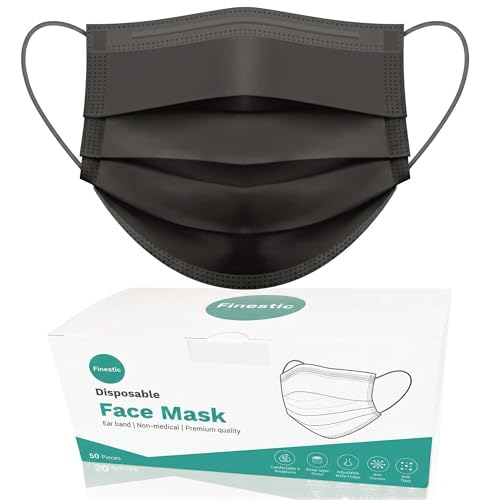
Three-Ply Daily Protection: Each black disposable face mask features a waterproof outer layer, a melt-blown middle layer, and a soft inner layer to cover your nose and mouth during daily activities


Destination Considerations
Consider the current COVID-19 situation at your destination. Research infection rates, vaccination statistics, and local health guidelines. For example, a state with high transmission rates might pose a greater risk than one with lower rates. Evaluate the types of activities you plan to engage in, such as attending large gatherings or dining indoors. Prioritize destinations that enforce mask mandates and have robust safety measures in place.
Check travel advisories from reliable sources like the Centers for Disease Control and Prevention (CDC) and the World Health Organization (WHO). These organizations provide updates on restrictions, testing requirements, and vaccination mandates that can affect your travel plans.
Personal Health Risks
Assess your personal health circumstances before traveling. If you have underlying health conditions or are immunocompromised, extra precautions may be necessary. For instance, consider whether you’ve received your vaccinations and if you need a booster shot. These factors significantly impact your vulnerability to severe illness from the Delta variant.
Evaluate your comfort level with risk. Think about the activities you plan to do and how they align with your health status. If you’re traveling with unvaccinated individuals, ensure that proper safety measures are in place, such as mask-wearing and social distancing.
By staying informed about your destination and your health, you enhance your ability to travel safely amid the Delta variant concerns.
Travel Recommendations
Traveling during the Delta variant requires careful planning and precautions. Staying informed and prepared enhances your safety while ensuring enjoyable experiences.
Vaccination and Testing Guidelines
Getting vaccinated significantly reduces the risk of severe illness from COVID-19. If you haven’t yet, prioritize vaccination. Full vaccination status means receiving two doses of mRNA vaccines, such as Pfizer or Moderna, or one dose of Johnson & Johnson. If you’ve traveled to high-risk areas, consider getting tested for COVID-19 before returning home. The CDC recommends testing 1-3 days before travel and again 3-5 days after. Ensure you carry proof of vaccination or test results when crossing borders.
Safety Precautions While Traveling
Taking safety precautions during your travels protects not just yourself but also those around you. Follow these practical tips:
- Wear a Mask: Use masks in crowded places, public transport, or indoor settings where social distancing isn’t possible.
- Practice Social Distancing: Maintain at least six feet of distance from others where feasible.
- Wash Hands Frequently: Cleanse your hands with soap and water or use hand sanitizer with at least 60% alcohol, especially after touching surfaces.
- Avoid Crowded Places: Opt for outdoor activities like parks or beaches rather than busy attractions.
- Stay Informed: Check travel advisories before leaving. Local regulations and infection rates can vary significantly from one city or state to another.
- Monitor Your Health: Keep track of any symptoms, such as cough or fever. If you feel unwell, isolate yourself and seek medical advice.
By following these tips, you can navigate your travel plans while maintaining health and safety amid the Delta variant.
Conclusion
Traveling during the Delta variant surge can feel daunting but staying informed and taking precautions can make a big difference. By prioritizing your health and safety through vaccination and following recommended guidelines, you can enjoy your travels with greater peace of mind.
Remember to keep an eye on local health updates and assess your own comfort level with risk. With careful planning and a proactive approach, you can navigate your travel plans confidently. Whether it’s a weekend getaway or a long-awaited vacation, don’t forget to enjoy the journey. Safe travels!
Frequently Asked Questions
What is the Delta variant and how does it affect travel?
The Delta variant is a more contagious strain of COVID-19, leading to increased transmission rates compared to earlier strains. Travelers should remain cautious as the risks associated with this variant can affect travel plans and health.
What symptoms should I monitor for after traveling?
Common symptoms of the Delta variant include fever, cough, fatigue, sore throat, and headaches. It’s essential to monitor your health, especially after being in crowded or high-risk areas.
How effective are vaccines against the Delta variant?
Two doses of mRNA vaccines like Pfizer or Moderna provide around 88% effectiveness against severe illness caused by the Delta variant. Vaccination is crucial for safer travel.
What safety precautions should I take while traveling?
To ensure safe travel, get vaccinated, wear masks in crowded places, practice social distancing, wash your hands frequently, and stay informed about local COVID-19 guidelines and travel advisories.
Why is it important to check local COVID-19 statistics before traveling?
Local COVID-19 statistics such as infection rates and vaccination coverage help assess travel safety. They guide travelers in understanding the health risks at their destination and making informed decisions.
How can I stay informed about travel advisories?
Travelers should check reliable sources like the CDC and WHO for up-to-date travel advisories, safety measures, and local health regulations to ensure a safer travel experience.
What should I consider regarding my personal health before traveling?
Assess your personal health circumstances and comfort level with potential risks before traveling. Factor in any underlying health issues and determine your tolerance for exposure to COVID-19.
Should I get tested after visiting high-risk areas?
Yes, it’s advisable to get tested if you have visited high-risk areas. Carrying proof of vaccination or negative test results can also help when crossing borders or attending events.
