


Are you considering a trip to Western Sahara but feeling uncertain about safety? You’re not alone. Many travelers are curious about this unique region, known for its stunning landscapes and rich culture, yet hesitant due to concerns about safety and security.
In this article, you’ll find essential insights that can help you make an informed decision about your travel plans. We’ll explore the current situation, share tips for a safe visit, and highlight what to expect along the way. By the end, you’ll feel more confident about whether Western Sahara is the right destination for you.
Key Takeaways
- Safety Awareness: Stay informed about the current political climate and monitor travel advisories before planning your visit to Western Sahara.
- Cultural Sensitivity: Respect local customs by dressing modestly and understanding communication norms, particularly when interacting with the Sahrawi people.
- Health Precautions: Limited healthcare facilities exist outside major cities; ensure you have comprehensive travel insurance and carry necessary medications.
- Transportation Options: Familiarize yourself with available local transport methods such as taxis, buses, and car rentals to navigate the region effectively.
- Emergency Preparedness: Know local emergency contacts, secure accommodation information, and prepare a plan for medical services in advance.
- Experience Unique Landscapes: Embrace the stunning geographic diversity, from coastal towns to vast deserts, while exploring Western Sahara’s rich culture and heritage.
Overview of Western Sahara
Western Sahara occupies a unique position in North Africa. This territory, characterized by vast deserts and a rich cultural heritage, remains a point of contention due to its disputed status. Governed primarily by Morocco, and claimed by the Sahrawi Arab Democratic Republic, the region experiences ongoing political tension.
Geography and Landscape
Western Sahara features diverse landscapes, including deserts, coastlines, and rocky plains. The Atlantic coast offers stunning beaches, while the interior presents expansive sand dunes ideal for exploration. Notable geographic points include:
- Laayoune: The capital and largest city, known for its urban amenities and proximity to natural attractions.
- Boujdour: A coastal town famous for its fishing industry and cultural festivals.
- Tifariti: A significant location for Sahrawi independence supporters, rich in history and cultural insights.
Culture and People
The Sahrawi people, a blend of Berber, Arab, and African influences, contribute to the region’s distinctive identity. Engaging with locals can offer insights into traditional practices and hospitality. Key cultural aspects include:
- Cuisine: Traditional dishes often feature couscous, lamb, and seafood, with some eateries offering unique twists.
- Festivals: Celebrations like the Sahrawi Cultural Festival highlight music, dance, and arts, showcasing local talents.
Safety Considerations
Before visiting, stay informed about the current political climate. Areas near the border with Algeria may experience heightened security risks. Essential safety tips include:
- Stay Updated: Monitor travel advisories from trusted sources, such as government websites.
- Travel Insurance: Secure comprehensive insurance covering political unrest and medical emergencies.
- Local Advice: Always seek guidance from locals or trusted tour guides for safe travel routes.
Practical Travel Tips
Traveling in Western Sahara demands preparation. Here are a few practical tips to enhance your experience:
- Respect Local Customs: Understanding cultural norms fosters goodwill. Dress modestly, especially in rural areas.
- Plan Transportation: Consider renting a vehicle for flexibility. Research reliable local transport options.
- Prepare for Limited Amenities: In some remote areas, amenities may be scarce. Carry essentials like water, snacks, and a map.
This overview of Western Sahara offers essential insights as you contemplate your travel plans. Exploring this region provides unique experiences amid breathtaking landscapes and rich cultural encounters.
Current Travel Conditions
Travel conditions in Western Sahara can change due to political and social dynamics. Staying updated is essential for ensuring a smooth journey.
Government Travel Advisories
Governments often issue travel advisories for Western Sahara due to ongoing political tensions. For instance, the U.S. Department of State may recommend caution when traveling near conflict zones or border areas. Check your government’s website before planning your trip for the latest advice. Understand that restrictions may vary; some regions might be safe, while others require careful navigation.
Health and Safety Concerns
Health facilities in Western Sahara are limited outside major cities like Laayoune. Travel insurance that includes coverage for medical emergencies is crucial. Carry necessary medications with you, as local pharmacies may not stock them. Additionally, stay hydrated and be mindful of food hygiene, especially in less urbanized areas.
Be aware of the potential for sandstorms and other natural elements when planning outdoor activities. Preparing your itinerary to accommodate for weather conditions can enhance your experience and safety.
Cultural Considerations
Understanding local culture enhances your experience in Western Sahara. Familiarity with traditions and communication styles fosters respect and connection.
Local Customs and Etiquette
Respecting local customs is essential. Dress modestly, especially in rural areas, to align with the cultural norms. For men and women, loose-fitting clothing covering arms and legs is recommended. When greeting locals, a handshake is common, but be mindful of cultural sensitivities, particularly with women. Always ask for permission before taking photographs of people, as some may find it intrusive. Additionally, accepting hospitality graciously is vital. If offered tea or food, it’s polite to accept, as refusal may be seen as disrespectful.
Language and Communication
Arabic and Spanish are widely spoken in Western Sahara. Learning basic phrases can enhance interactions. Simple greetings, such as “Salam” for hello and “Shukran” for thank you, go a long way in showing respect. In major cities, some locals speak French and English, but proficiency may vary in rural areas. Be patient if communication barriers arise; using gestures or translation apps can help bridge the gap. Always approach conversations with a friendly demeanor, as building rapport fosters positive exchanges.
Transportation and Accessibility
Traveling in Western Sahara offers unique experiences, but knowing transportation options is crucial for a smooth trip.
Getting There
Reaching Western Sahara typically involves flying into Laayoune or El Aaiún, the largest city in the region. Airlines operate limited flights from major Moroccan cities like Casablanca and Agadir. If you prefer a more adventurous route, consider overland travel from Morocco, but check road conditions and safety advisories. Additionally, border crossings into Algeria or Mauritania may have specific regulations to follow.
Local Transportation Options
Navigating within Western Sahara presents several local options.
- Taxis: Local taxis are common and readily available in urban areas. They operate both as private taxis and shared vehicles, offering affordable fares. Always negotiate prices before starting your journey.
- Buses: Several bus companies connect major cities, including Laayoune, Boujdour, and Dakhla. Buses provide an economical and reliable travel option, with schedules available online or at bus stations.
- Car Rentals: Renting a car allows more freedom for exploration. Several companies offer rental services, but ensure the vehicle is suitable for the terrain. Driving requires caution due to limited road signs and varying conditions.
- Off-Road Vehicles: If you plan to explore remote areas, consider hiring a 4×4 vehicle. This choice allows access to stunning landscapes and hidden gems but may require prior arrangements with a local company.
Familiarizing yourself with these transportation options enhances your travel experience and ensures you can explore all that Western Sahara has to offer.
Safety Tips for Travelers
Traveling to Western Sahara requires careful planning and awareness of safety protocols. Keep in mind the following tips to enhance your safety and enjoyment during your visit.
Recommended Products
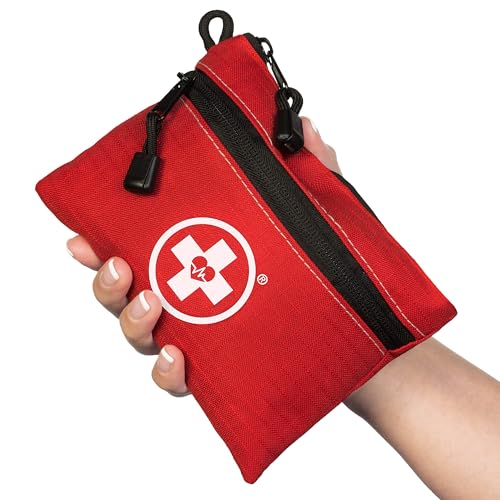
All-Purpose, Comprehensive Emergency Kit: Boasts 64 pcs of medical supplies, making it one of the most comprehensive sets available. Contains items to treat a wide variety of injuries & emergencies such as large & small bandages, relief pads, an Mylar Blanket, Fire Starter Rod, Wire Saw, Fishing Line, & more for any situation

SURVIVAL ESSENTIALS: first aid supplies, high quality survival essentials and first aid supplies. Helps care for medical or emergency needs during camping, hiking, hunting or during hurricanes, tropical storms, earthquakes and tornados

[250 in 1 Survival Kit]: Having an emergency kit is an important step to prepare and protect your and household for some unforeseen events. This emergency survival kit is specifically designed and curated by 3 survival experts, includes total 250pcs multipurpose survival tools. It contains the most popular survival gear and tools, also a first aid kit that enough to treat a family or a group of friends under emergency circumstances.
Precautions to Take
- Stay Updated: Monitor news and travel advisories related to Western Sahara to stay informed about any changes in the security situation.
- Secure Insurance: Obtain comprehensive travel insurance, including coverage for medical emergencies and trip cancellations.
- Respect Local Customs: Dress modestly and familiarize yourself with local traditions. This demonstrates respect for the Sahrawi culture and can foster positive interactions.
- Limit Travel at Night: Avoid traveling after dark. Nighttime conditions can be unpredictable, especially in remote areas.
- Prepare for Emergencies: Familiarize yourself with your accommodations and local resources, including hospitals and emergency services.
- Pack Essentials: Bring adequate supplies, including water, food, and medications, particularly when planning excursions outside urban centers.
- Local Authorities: Note the contact numbers for police and emergency services in the area you are visiting.
- Embassy Information: Keep contact details for your country’s embassy or consulate in Morocco, as they assist travelers during emergencies.
- Accommodation: Maintain communication with your hotel or host. Provide them with your travel itinerary and expected return times.
- Health Facilities: Identify the nearest hospitals or clinics in advance, especially if you have specific health needs.
Taking these safety precautions can significantly enhance your travel experience to Western Sahara. Stay vigilant, enjoy the journey, and immerse yourself in the region’s unique culture and landscapes.
Conclusion
Traveling to Western Sahara can be an incredible experience filled with stunning landscapes and rich culture. By staying informed about the current situation and following safety tips, you can enjoy your adventure while minimizing risks.
Respecting local customs and preparing for the unique challenges of the region will enhance your journey. Remember to keep communication open with your accommodations and stay updated on travel advisories.
With the right preparation and mindset, you can create unforgettable memories in this beautiful and intriguing part of the world. Safe travels!
Frequently Asked Questions
What are the main safety concerns for travelers to Western Sahara?
Travelers should be aware of the political situation, particularly near the Algerian border. It’s crucial to stay informed through reliable sources and check government travel advisories for updates on safety in different regions. Comprehensive travel insurance is also essential.
How can I prepare for traveling in Western Sahara?
To prepare, research the cultural norms and customs, ensure you have adequate travel insurance, and pack essentials like medications and hydration supplies. Familiarizing yourself with basic Arabic and Spanish phrases can enhance interaction.
What are the best ways to get to Western Sahara?
You can typically reach Western Sahara by flying into Laayoune or El Aaiún from major Moroccan cities. Several airlines operate limited flights, so check schedules in advance to plan your journey.
What transportation options are available within Western Sahara?
Local transportation includes taxis, buses, and car rentals. For remote areas, off-road vehicles are often necessary. Always confirm vehicle availability and conditions before heading out, as options might be limited.
How should I respect local customs and culture in Western Sahara?
To respect local customs, dress modestly and be mindful of cultural practices. Accepting hospitality graciously is appreciated. Learning a few basic phrases in Arabic or Spanish can enhance communication and show respect for the local culture.
