


Are you thinking about a trip to Iceland but worried about the volcanoes? You’re not alone. Many travelers are curious about how volcanic activity might affect their plans. With breathtaking landscapes and unique experiences, Iceland is a dream destination, but safety is always a priority.
In this article, you’ll learn what you need to know before packing your bags. We’ll explore the current volcanic activity and how it impacts travel. By the end, you’ll feel more confident about your adventure and ready to enjoy all that Iceland has to offer, from stunning waterfalls to the mesmerizing Northern Lights.
Key Takeaways
- Iceland’s Volcanic Activity: Understanding the frequent volcanic eruptions and their impact on travel is crucial for planning a safe trip to Iceland.
- Stay Informed: Regularly check updates from the Icelandic Meteorological Office for real-time information on volcanic activity, flight disruptions, and access restrictions to ensure safety.
- Health Precautions: Be aware of health risks from volcanic ash, particularly for those with respiratory issues. Carry face masks and stay informed about air quality conditions.
- Best Practices: Prepare for your trip by choosing low-risk attractions, packing essential items, and having an emergency plan in place for sudden volcanic activities.
- Emergency Contacts: Familiarize yourself with local emergency numbers (e.g., dial 112 in Iceland) and always inform others of your plans for added safety.
- Explore Attractions: Enjoy Iceland’s natural wonders and rich culture safely by visiting well-known sights like the Blue Lagoon, Gullfoss Waterfall, and engaging in local festivities.
Overview of Iceland’s Volcanic Activity
Iceland is renowned for its vivid volcanic activity, which shapes its stunning landscapes. Understanding this activity helps you appreciate the beauty while ensuring safety during your travels.
Recent Eruptions
Iceland experiences frequent volcanic eruptions due to its location on the Mid-Atlantic Ridge. Notable eruptions include:
- Fagradalsfjall (2021): This eruption started in March 2021, creating a new lava field near Reykjavík. It attracted many visitors due to its accessible viewing points.
- Eyjafjallajökull (2010): This significant eruption disrupted air travel across Europe, showcasing how powerful Icelandic volcanoes can be.
Monitoring agencies like the Icelandic Meteorological Office provide regular updates on volcanic activity. Staying informed helps you plan visits to active sites safely.
Impact on Travel
Volcanic activity can affect travel plans in various ways:
- Flight Disruptions: Significant eruptions may lead to flight cancellations. Checking airline policies before your trip ensures you stay updated.
- Access to Attractions: Some popular destinations may temporarily close due to volcanic activity or safety risks. Always verify accessibility with local authorities.
- Safety Precautions: Following guidance from local experts enhances safety. Wear masks in areas with volcanic ash and avoid restricted zones.
While the volatility is part of Iceland’s allure, savvy travelers remain attentive to updates, keeping their adventures enjoyable and worry-free.
Safety Considerations
Traveling to Iceland can be safe despite its volcanic activity. Staying informed and prepared significantly enhances your experience.
Recommended Products
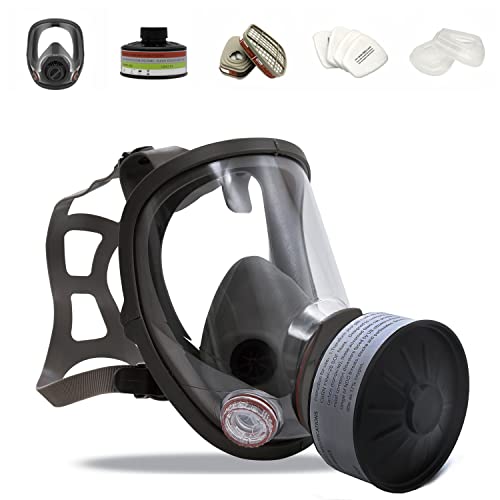
60 days unconditional return policy. Since there is currently no return option in the Amazon system. Please contact us directly if there is any quality issue with the product. We will arrange for your return, refund or resend immediately

Adjustable design of the dog mask allows for a better fit on the dog's face and prevents it from slipping off during use
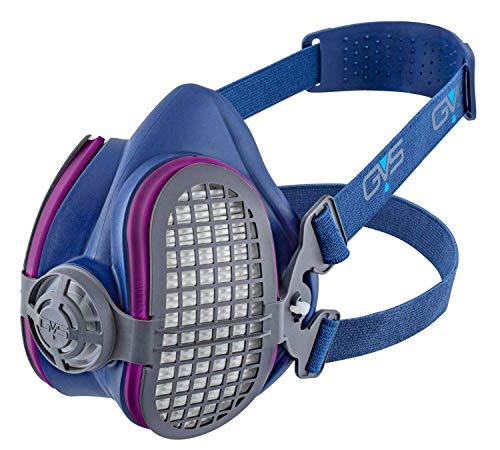
This is recommended for dust and fumes containing substances such as micro-organisms, marble, gypsum, titanium oxide, soapstone, rock wool, wood, detergents, textile fibres, spices, salt, animal feeds, etc..
Travel Advisories
Check travel advisories regularly for updates on volcanic activity and potential risks. The Icelandic Meteorological Office offers current information, including active eruptions and air quality conditions. Ensure you know access restrictions to specific areas due to volcanic hazards. Before traveling, consider consulting your country’s foreign affairs website for tailored advice on safety measures specific to Iceland.
Health Risks
Understand the potential health risks associated with volcanic eruptions. Volcanic ash can irritate the eyes, skin, and respiratory system. If you have pre-existing health conditions, especially respiratory issues, consult a healthcare professional before your trip. Fetch a face mask to safeguard against ash inhalation if you plan to visit areas near active volcanoes. Stay indoors during ashfall and keep windows closed to minimize exposure. Keep an eye on air quality reports to ensure a safe travel experience.
Best Practices for Travelers
Traveling to Iceland can be an unforgettable experience. By adhering to some best practices, you can ensure a safer and more enjoyable trip.
Recommended Products

Powerful Deep Pore Cleansing with Volcanic Ash – Each sheet mask is infused with highly absorbent volcanic ash extract, known for its ability to draw out deep-seated dirt, oil, and environmental toxins. This purifying action helps prevent blackheads, whiteheads, and breakouts, making it an essential addition to any skincare routine.

✅ [Grass Cutting Mask & Goggle 2-in-1] Detach for standalone grass cutting goggles or attach for full-face shield. No more dust or debris flying into your eyes. Customize your protection from mowing to workshop tasks instantly.

【Detachable 2-in-1 Design】This Detachable Full Face Goggle Mask can be worn as a full-face shield or separated into goggles for flexible use. Ideal for motorcycle riding, cycling, skiing, hiking, yard work, and general outdoor protection.
Preparation and Precautions
- Stay Informed: Check updates from the Icelandic Meteorological Office. They provide real-time information on volcanic activity, hazards, and travel advisories.
- Plan Your Itinerary: Choose attractions outside high-risk zones. Research locations that are less likely to be affected by eruptions or ash fall.
- Pack Accordingly: Bring essential items like masks and goggles. These protect against volcanic ash, especially for those with respiratory issues.
- Keep Communication Open: Register with an embassy or consulate. They provide alerts and assist during emergencies.
- Prepare for Flight Changes: Be flexible with travel plans. Eruptions can disrupt flights, so stay updated with airlines for potential cancellations or delays.
- Know Emergency Contacts: Familiarize yourself with local emergency numbers. In Iceland, dial 112 for any urgent assistance.
- Create an Evacuation Plan: Identify nearby safe areas and plan routes to them. Have alternate paths in case of sudden volcanic activity.
- Emergency Kits: Carry a kit with essentials like water, snacks, flashlight, and first-aid supplies. This preparedness ensures safety during unexpected events.
- Inform Others: Let friends or family know your locations and plans. This helps them keep track in case of an emergency.
- Stay with Guides: Choose local guides for tours. They have expertise in the terrain and are knowledgeable about safety protocols related to volcanic activity.
By following these best practices, you equip yourself for a safe journey through Iceland’s stunning landscapes, ensuring that you enjoy all the unique experiences the country offers.
Attractions to Visit
Iceland offers an array of attractions that showcase its stunning landscapes and rich culture. You’ll find everything from natural wonders to cultural experiences that make your visit unforgettable.
Natural Wonders
Iceland’s unique geography features many natural wonders that reflect its volcanic activity.
- Geysir Geothermal Area: Witness the Strokkur geyser erupting every few minutes. This impressive display of nature’s power draws visitors for its awe-inspiring beauty.
- Gullfoss Waterfall: Marvel at the majestic waterfall cascading in two tiers. It’s especially beautiful when rainbows form above the mist.
- Silfra Fissure: Dive or snorkel in crystal-clear waters between the North American and Eurasian tectonic plates. This unique experience offers a glimpse into the underwater world.
- Blue Lagoon: Soak in the geothermal waters surrounded by lava fields. This iconic spa provides relaxation and stunning views.
- Vatnajökull Glacier: Explore Europe’s largest glacier. Guided tours allow you to hike or even ice cave explore.
Cultural Experiences
Engaging with Icelandic culture enriches your travel experience.
- Reykjavik: Visit the capital city and explore its vibrant street art, unique architecture, and lively nightlife. Don’t miss the Hallgrímskirkja church or Harpa Concert Hall.
- Icelandic Cuisine: Savor traditional dishes like lamb, seafood, and fermented shark. Try local specialties at restaurants to experience authentic flavors.
- Viking History: Discover the settlement history at the National Museum of Iceland in Reykjavik. Exhibits showcase artifacts and stories of early Viking settlers.
- Local Festivals: Attend events like the Reykjavik Arts Festival or the Iceland Airwaves music festival. These celebrations showcase local talent and culture.
- Folklore: Learn about Icelandic myths, including elves and trolls. Guided tours offer insights into how these legends shape local traditions.
Exploring these attractions allows you to appreciate both the natural beauty and cultural depth of Iceland while ensuring a safe and enjoyable experience.
Conclusion
Traveling to Iceland can be an unforgettable experience filled with stunning landscapes and rich culture. While the volcanic activity might seem daunting it’s important to remember that with the right precautions and information you can enjoy your trip safely. Staying updated on volcanic conditions and planning your itinerary wisely will help you navigate any potential risks.
Embrace the unique beauty that Iceland has to offer and don’t let the volcanoes deter you from exploring its breathtaking wonders. With a little preparation you can create lasting memories in this incredible country. Safe travels and enjoy every moment of your Icelandic adventure!
Frequently Asked Questions
Is it safe to travel to Iceland given its volcanic activity?
Yes, traveling to Iceland can be safe even with its volcanic activity. By staying informed and following safety precautions, travelers can enjoy their adventure. Regularly checking updates from the Icelandic Meteorological Office will help ensure safety and preparedness.
What recent volcanic eruptions should travelers know about?
Recent notable eruptions include Fagradalsfjall in 2021 and Eyjafjallajökull in 2010. These eruptions have shaped Iceland’s landscape and may affect travel plans, such as access to certain areas or flight availability. Always stay updated on current volcanic activity.
How can volcanic activity affect travel plans?
Volcanic activity can lead to flight disruptions and may restrict access to attractions. Travelers should prepare for potential changes in their itineraries and stay informed about current conditions to minimize inconvenience during their trip.
What health risks are associated with volcanic eruptions?
Volcanic eruptions can cause irritation from volcanic ash, which may affect those with respiratory issues. Travelers with pre-existing health conditions should consult healthcare professionals before visiting and carry masks and goggles for protection against ash.
What precautions should travelers take regarding volcanic activity?
Travelers should regularly check travel advisories for updates on volcanic activity and potential risks. It’s also wise to plan itineraries that avoid high-risk zones and prepare an emergency kit with essential items like masks, goggles, and first aid supplies.
What attractions are must-sees in Iceland?
Iceland offers stunning attractions like the Geysir Geothermal Area, Gullfoss Waterfall, Silfra Fissure, Blue Lagoon, and Vatnajökull Glacier. These sites showcase the country’s breathtaking landscapes and unique experiences shaped by its volcanic activity.
How can travelers stay informed during their trip?
Travelers should regularly monitor updates from the Icelandic Meteorological Office and stay in contact with local guides. Keeping communication open with embassies and setting emergency contacts can also assist in staying informed and safe while exploring.
What cultural experiences can travelers find in Reykjavik?
Reykjavik offers rich cultural experiences, including local cuisine, Viking history, and vibrant festivals. Exploring folklore and engaging in cultural activities will enrich the overall travel experience and provide insights into Icelandic heritage.
