


Wondering if it’s safe to travel to Bulgaria? You’re not alone. Many travelers are curious about safety when planning their next adventure. With its stunning landscapes and rich history, Bulgaria is a gem waiting to be explored, but it’s important to feel secure while you do.
This article will help you navigate the safety landscape in Bulgaria, from understanding local customs to tips on staying safe during your trip. You’ll gain insights that can ease your mind and make your travel experience enjoyable. So let’s explore what you need to know for a worry-free visit to this beautiful country.
Key Takeaways
- Travel Safety Overview: Bulgaria is generally safe for tourists, with low crime rates compared to other European countries, though petty crimes like pickpocketing can occur in crowded areas.
- Public Transport: Affordable and reliable, public transportation is the best way to get around. Always stay cautious and avoid empty vehicles at night.
- Understanding Local Customs: Familiarize yourself with local customs and etiquette to enhance your travel experience. Basic knowledge of Bulgarian phrases can promote goodwill.
- Emergency Contacts: Keep important emergency contact numbers, such as 112 for emergencies, readily available during your visit.
- Health Considerations: Healthcare in major cities meets European standards, but rural areas may have limited services. Consider travel insurance and carry basic medical supplies.
- Cultural Respect: Respect local traditions, including dining etiquette and greetings, to foster positive interactions with locals and enhance your experience.
Overview of Travel Safety in Bulgaria
Traveling in Bulgaria generally proves safe, but being informed helps you enjoy your trip without worry. Here are key aspects of travel safety in this vibrant country.
Crime Rates
Crime rates in Bulgaria remain relatively low compared to other European nations. Petty crimes, such as pickpocketing, can occur in tourist-heavy areas. Staying vigilant, especially in crowded places, reduces your likelihood of becoming a target.
Public Transportation
Public transportation in Bulgaria is affordable and reliable. Buses, trams, and metros operate frequently. However, using common sense is essential. Avoid empty vehicles at night. Always keep your belongings close.
Local Customs
Understanding local customs promotes a safe experience. Bulgarians are known for their hospitality, making interactions friendly. Respect traditions and practices, particularly in rural areas. Knowing basic phrases in Bulgarian can enhance your experience and foster goodwill.
Emergency Contacts
Familiarize yourself with emergency contact numbers:
| Service | Phone Number |
|---|---|
| Police | 112 |
| Ambulance | 112 |
| Fire Department | 160 |
Keep this information handy. Knowing how to reach authorities quickly aids in unresolved issues.
Health Precautions
Health care in major cities meets European standards. In rural areas, facilities can be limited. Carry basic medical supplies and any prescription medications. Consider travel insurance that covers health emergencies.
Traveling Alone
If traveling alone, stay aware of your surroundings. Choose well-lit, populated areas for evenings out. Avoid sharing personal information with strangers, ensuring your safety throughout your trip.
Natural Hazards
Bulgaria’s diverse geography offers beautiful landscapes, but certain areas pose natural risks. Be cautious while hiking or exploring mountainous terrains. Always check local weather conditions and follow guidance to stay safe.
Following these tips enhances your travel experience in Bulgaria. By prioritizing safety, you can immerse yourself in the culture and enjoy the beauty this country offers.
Current Safety Situation
Bulgaria remains a popular travel destination, often described as safe for visitors. Understanding the safety situation in the country helps ensure a pleasant trip.
Recommended Products
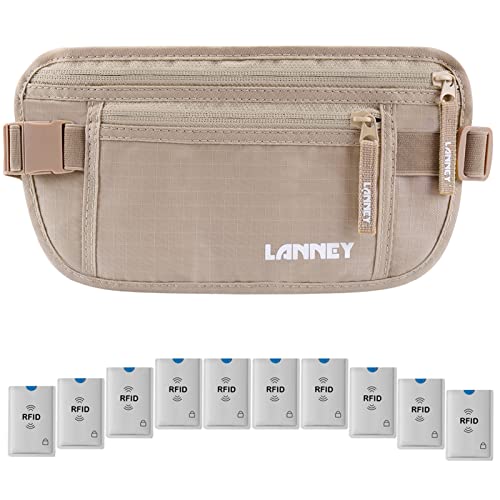
【FULL PROTECTION WITH RFID TECHNOLOGY】The money belt for travel for men hidden designed with RFID Blocking and anti-theft technology which features 3 built-in layers of RFID blocking linings, shielding you from electronic pickpockets and identity thefts. Say no to unwanted scan! Plus, we offer 10 rfid blocking credit card sleeves as bonus coming with every money belt. Enjoy your travel under protection of LANNEY travel money belt

MONEYSLIM & HIDEN TRAVEL FANNY PACK:Now you have enough place to store and hide your belongings like your IPhone, Keys, Money, Credit cards, Documents, Passport and more. BELT for TRAVEL: Anti-theft RFID Blocking material, effectively prevent your personal information from being scanned (credit card, passport, personal ID, cash, etc.) 1inch adjustable elastic strap, two metal zippers and pockets! Lined with two pockets for credit cards or coins, and a metal loop for keys

HIDDEN MONEY BELT FOR TRAVEL – Slim Concealed Passport Holder Under Clothes: At just 0.2" thick, this slim hidden money belt for travel stays invisible under a t-shirt or dress shirt – a concealed passport holder, undercover money belt, and discreet body wallet contoured for men's and women's body shapes. In multiple discreet colors to match any wardrobe, it keeps cash, cards, and travel documents hidden in airports, hotels, crowded markets, tourist attractions, and public transportation.
Crime Rates and Types of Crime
Bulgaria has relatively low crime rates compared to many European countries. Violent crime is uncommon, but petty crime, such as pickpocketing, occurs in tourist-heavy areas like Sofia and Plovdiv.
- Pickpocketing: Keep belongings secure in crowded places.
- Scams: Be wary of overly friendly strangers offering unsolicited help.
- Thefts: Always use hotel safes for valuables.
Staying informed can enhance your safety. Avoid displaying expensive items, and be cautious when withdrawing cash from ATMs, specifically in less-populated regions.
Government Travel Advisories
Check government travel advisories before planning your trip. The U.S. Department of State provides updated information about safety in Bulgaria, including any specific regional warnings.
- Health Alerts: Review health-related travel notices.
- Local Laws: Familiarize yourself with local regulations and customs.
- Emergency Services: Know the local emergency contact numbers (112 for general emergencies).
Consulting these resources ensures that you remain aware of any risks and can take preventative measures. Following government advisories adds an extra layer of safety to your travels.
Health and Safety Considerations
Travelers to Bulgaria should remain informed about health and safety measures to ensure a secure trip.
Healthcare Quality and Accessibility
Bulgaria offers a mix of public and private healthcare services. Major cities like Sofia and Plovdiv feature modern clinics and hospitals equipped with qualified professionals. While urban healthcare is generally accessible, rural areas may present challenges. Travelers should consider purchasing travel insurance that covers medical expenses. Save local emergency numbers for healthcare services, including 112 for general emergencies and 150 for ambulance services. Keep necessary medications in your travel kit, as pharmacies may have limited supplies in remote locations.
COVID-19 Guidelines and Regulations
COVID-19 regulations in Bulgaria may change based on current health conditions. You should monitor government travel advisories for updates on entry requirements, such as vaccination proof or negative PCR tests. Masks may be required in indoor public spaces and crowded areas, so carry one with you. Maintain hand hygiene by using sanitizers frequently. Follow local guidelines to ensure your safety and the well-being of those around you. Stay informed about any quarantine measures or travel restrictions that could affect your itinerary.
Cultural Awareness and Local Etiquette
Understanding Bulgaria’s cultural norms enhances your travel experience. Respecting traditions and customs fosters goodwill and helps you connect with locals.
Respecting Traditions and Norms
Bulgarians honor their customs. When visiting, embrace the following practices:
- Greetings: A firm handshake and maintaining eye contact show respect. Use “Zdravейте” (Hello) for formal settings.
- Nods: Understand that nodding means “no” while shaking your head means “yes.” This can lead to confusion, so be attentive.
- Dress: Dress modestly when visiting religious sites. For casual outings, locals prefer neat, tidy attire.
- Dining Etiquette: Wait for the host to begin before eating. It’s polite to try all dishes served.
- Gifts: If invited to a local’s home, bring a small gift like flowers or sweets. Avoid giving an even number of flowers, as it symbolizes mourning in Bulgaria.
Language and Communication Tips
While many Bulgarians speak English, learning a few basic phrases can enhance interactions. Keep these tips in mind:
- Common Phrases: Learn simple phrases like “Danke” (Thank you) and “Da” (Yes). Using local language shows respect and effort.
- Non-verbal Communication: Pay attention to gestures. For example, a thumbs-up is positive, while pointing can feel impolite.
- Personal Space: Maintain a comfortable distance during conversations. Bulgarians appreciate personal space.
- Directness: Be straightforward in conversations. Bulgarians value honesty and clarity.
By incorporating these cultural insights and etiquette tips, your trip to Bulgaria can be more rewarding and enjoyable.
Popular Destinations and Their Safety
Bulgaria offers a variety of vibrant destinations, each with its own unique charm and safety considerations.
Sofia
Sofia, the capital city, is generally safe for tourists. Violent crime rates are low, though petty crimes, like pickpocketing, can occur, especially in crowded areas such as public transport and tourist sites. To enhance your safety in Sofia:
- Stay aware of your belongings.
- Use hotel safes for valuables.
- Avoid poorly lit areas at night.
The city boasts robust public transportation that is reliable and affordable. Familiarize yourself with routes and schedules to navigate easily. Also, keep an eye out for any travel advisories specific to the city.
Plovdiv
Plovdiv, known for its historical sites, is another welcoming destination. The city presents a low risk of serious crime. However, like Sofia, be cautious of pickpockets in busy districts. To enjoy a safe visit to Plovdiv:
- Stick to well-frequented streets.
- Be mindful when using ATMs.
- Enjoy the local markets while keeping personal items secure.
The charming old town area attracts many visitors, so it’s wise to plan your visit during daylight hours to maximize safety and enjoyment. Engaging with locals can enhance your experience; just remember to respect their space and customs.
Conclusion
Traveling to Bulgaria can be a wonderful experience filled with stunning sights and rich culture. By staying informed and following the safety tips provided, you can enjoy your trip with peace of mind. Remember to keep an eye on your belongings and embrace the local customs to connect with the friendly people.
Whether you’re wandering through Sofia’s vibrant streets or exploring Plovdiv’s historical treasures, Bulgaria offers a unique adventure. With a little preparation and awareness, you’ll find that this beautiful country is not only safe but also welcoming. So pack your bags and get ready for an unforgettable journey!
Frequently Asked Questions
Is Bulgaria a safe country to visit?
Bulgaria is generally safe for travelers, with relatively low crime rates compared to other European nations. While most visits are incident-free, petty crimes like pickpocketing can occur in tourist hotspots such as Sofia and Plovdiv. Staying aware of your surroundings can enhance your safety.
What should I know about local customs in Bulgaria?
Familiarizing yourself with local customs is essential. Key practices include proper greetings, understanding nodding and shaking of heads, dressing modestly at religious sites, and using polite dining etiquette. Learning a few basic Bulgarian phrases can also help in fostering goodwill with locals.
What are common safety tips for traveling in Bulgaria?
To stay safe in Bulgaria, be cautious of your belongings, especially in crowded areas, and use hotel safes for valuables. Avoid poorly lit areas at night, travel in groups when possible, and stay updated on local safety guidelines and emergency contact information.
Are there health precautions I should take when visiting Bulgaria?
Yes, it’s recommended to purchase travel medical insurance and keep emergency numbers handy. Bulgaria has both public and private healthcare services, with modern facilities in major cities but potential challenges in rural areas. Also, stay informed about COVID-19 guidelines before traveling.
What are the emergency contact numbers in Bulgaria?
In Bulgaria, the emergency contact numbers are 112 for general emergencies, 150 for fire, 166 for police, and 155 for medical services. It’s wise to keep these numbers accessible during your visit for any unexpected situations.
How can I avoid scams while traveling in Bulgaria?
To avoid scams, stay vigilant about your surroundings, avoid unsolicited assistance, and be cautious when accepting offers from strangers. Check online reviews and use reputable services. Familiarizing yourself with common scams can also help in preventing them.
Is public transportation safe in Bulgaria?
Public transportation in Bulgaria is generally safe, affordable, and reliable. However, it’s advisable to exercise caution, especially at night. Keep an eye on your belongings and avoid traveling alone late in the evening to ensure a safer experience.
What are popular tourist destinations in Bulgaria?
Popular tourist destinations in Bulgaria include Sofia, Plovdiv, and the Black Sea coast. Sofia is known for its historical sites and vibrant culture, while Plovdiv features rich heritage and picturesque streets. Both cities are generally safe with basic precautions.
