


Are you wondering if it’s safe to travel in Europe right now? With so much information out there, it’s tough to know what to believe. You might be dreaming of strolling through the charming streets of Paris or exploring the historic sites of Rome, but safety concerns can hold you back.
This article will help you navigate the current landscape of travel safety in Europe. We’ll cover essential tips, recent statistics, and what you need to know to make informed decisions. By the end, you’ll feel more confident about your travel plans and ready to explore all that Europe has to offer.
Key Takeaways
- Europe is generally safe for tourists, but crime rates vary significantly by city, requiring vigilance in areas with higher instances of petty crime, such as Barcelona and Paris.
- Staying informed about local customs, health regulations, and emergency contacts is essential for a safe and enjoyable travel experience.
- Utilizing reliable transportation options, like licensed taxis and rideshare services, enhances personal safety while navigating European cities.
- Securing valuables and blending in with locals by adopting cultural dress can prevent unwanted attention and reduce the risk of theft.
- Monitoring current events and travel advisories can help travelers make informed decisions and adjust plans as necessary for safer travel experiences.
- Following health guidelines, including vaccination requirements and COVID-19 protocols, ensures compliance with local regulations and promotes personal well-being while abroad.
Overview Of Safety In Europe
Traveling in Europe offers a mix of vibrant cultures, historical landmarks, and stunning landscapes. Safety is a key concern for any traveler. Overall, Europe is generally safe for tourists, but certain precautions enhance your peace of mind.
Crime Rates
Crime rates vary across Europe. While cities like Stockholm and Vienna boast low crime rates, others like Barcelona and Paris report higher instances of pickpocketing. For instance, in 2023, cities like Amsterdam recorded a theft rate of 4.7 incidents per 1,000 residents, while the overall European average sits around 6.6.
| City | Theft Rate (per 1,000 residents) |
|---|---|
| Stockholm | 3.2 |
| Vienna | 3.9 |
| Amsterdam | 4.7 |
| Paris | 9.1 |
| Barcelona | 30.6 |
Public Transportation
Public transportation is widely used and generally safe. Trains and buses connect cities efficiently. In cities like Berlin and London, you’ll find a strong police presence. Stay alert during peak hours to avoid crowded situations, especially in tourist-heavy areas.
Health and Emergencies
Access to healthcare in Europe is excellent. Travel insurance covering emergency medical expenses is vital. For example, emergency numbers vary by country; in most places, dialing 112 connects you to emergency services. Carry any necessary medical information and keep a small first-aid kit on hand.
Local Laws and Customs
Familiarizing yourself with local laws and customs proves essential. Respecting cultural differences helps avoid misunderstandings. For instance, in some countries, public drinking is prohibited, while in others, it is common. Research local etiquette, especially regarding dress codes in religious sites.
Current Events and Advice
Stay updated on current events that might impact your travel plans. Government websites like the U.S. State Department’s travel advisory page provide reliable information. Also, using apps focused on safety can alert you to any concerns while traveling.
- Stay aware: Keep your belongings secure and stay vigilant.
- Blend in: Try to dress like a local to avoid drawing attention.
- Trust your instincts: If a situation feels off, don’t hesitate to leave.
- Use reputable transportation: Opt for licensed taxis or official ride-sharing services.
Staying informed and taking precautions help create a safer travel experience in Europe.
Current Travel Safety Trends
Travel safety trends in Europe show overall positive conditions for tourists. Awareness of local issues and adherence to safety measures can enhance your travel experience.
Recommended Products

Essential Zipper Clips Anti Theft: Secure your belongings with our zipper clips anti theft. Specifically designed as a reliable zipper lock for anti theft crossbody bags for women, backpacks, and luggage. A top choice for anti pickpocket accessories to deter thieves in crowded tourist spots
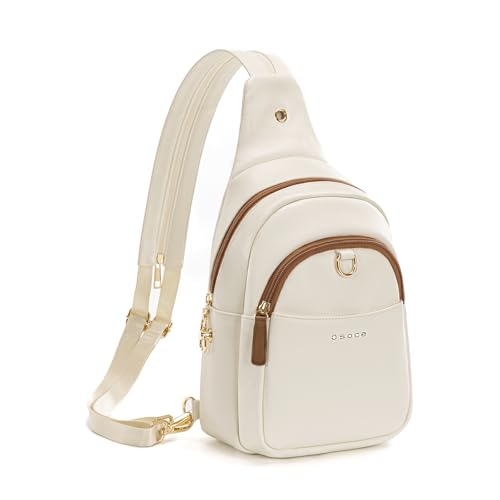
XL SIZE FITS TABLET & WATER BOTTLE : Need more space? This XL sling bag for women measures 7.3 x 4.5 x 14.6 inch (18.5x11.5x37cm) and weighs 0.48 kg (480g). It offers expanded capacity while maintaining a sleek profile—perfect for day trips, work commutes, or carrying extra gear. The enhanced anti theft crossbody bag design keeps your belongings secure for true hands-free freedom.

360 DEGREE RFID BLOCKING TRAVEL SECURITY - Protect your passport, credit cards and ID from electronic theft with advanced RFID blocking material that wraps the entire money belt for travel. Unlike cheaper travel wallets that only shield one side, the Alpha Keeper hidden money belt provides full 360-degree protection against digital pickpocketing and unauthorized scanning, keeping your personal information safe at airports, train stations, markets and crowded tourist destinations worldwide.
Crime Rates In Major Cities
Crime rates vary significantly across European cities.
- Stockholm: Known for its low crime rate, enhancing visitor confidence.
- Vienna: Offers a safe environment with minimal crime incidents, making it ideal for exploration.
- Barcelona: Higher rates of pickpocketing are noted; vigilance is essential in crowded areas.
- Paris: While generally safe, tourists may encounter increased petty crime, particularly in tourist-heavy zones.
Understanding these trends helps you prepare and stay alert in places known for higher crime.
Local Safety Recommendations
Following local safety recommendations ensures a smoother travel experience.
- Stay Informed: Monitor local news for safety alerts or events.
- Secure Belongings: Use anti-theft bags and keep valuables hidden.
- Blending In: Dress like locals to avoid standing out as a tourist.
- Local Customs: Familiarize yourself with laws and customs to prevent misunderstandings.
- Emergency Numbers: Note emergency services numbers specific to each country.
Implementing these strategies provides peace of mind while exploring Europe.
Health Considerations
Traveling in Europe involves several health considerations to ensure a safe and enjoyable experience. Being aware of vaccination requirements and following COVID-19 guidelines is essential.
Recommended Products

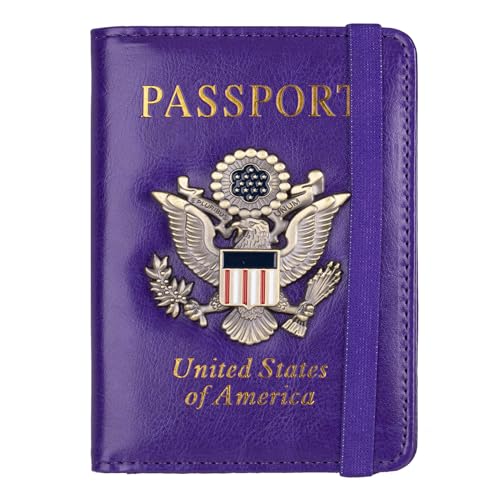
Multifunctional Design: You will get one rfid passport holder that can store 1 passport, 4 * credit cards, boarding pass, tickets, ID card, coins, loose money, license, other documents etc. You can now quickly access and keep track of all your important items in one leather passport holder. The rfid passport wallet is one of you must have travel accessories.

✔ PERFECT 4" x 6" FIT FOR CDC VACCINE CARDS ✔ WATERPROOF & TEAR-RESISTANT PVC MATERIAL ✔ CLEAR, EASY-VIEW DISPLAY SLEEVE ✔ TRAVEL-FRIENDLY & LIGHTWEIGHT DESIGN ✔ 4-PACK VALUE SET FOR FAMILY OR MULTIPLE DOCUMENTS ✔ KEEPS HEALTH DOCUMENTS SAFE & ORGANIZED ✔ ESSENTIAL FOR TRAVEL, SCHOOL & WORK COMPLIANCE
Vaccination Requirements
Most European countries require specific vaccinations for travelers. It’s important to check the health regulations of each destination before your trip. Common vaccinations include:
- COVID-19 Vaccination: Some countries expect travelers to be fully vaccinated.
- Measles, Mumps, and Rubella (MMR): Recommended if you haven’t had these vaccinations.
- Tetanus-Diphtheria-Pertussis (Tdap): A booster is suggested every ten years.
Always carry a vaccination certificate while traveling, as officials may request proof.
COVID-19 Guidelines
COVID-19 guidelines continue to evolve across Europe. Follow these tips to stay informed and safe:
- Check Travel Restrictions: Always review the latest entry requirements for your destination, including testing and quarantine rules.
- Wear Masks: In crowded places or public transportation, wearing a mask may be required.
- Practice Good Hygiene: Wash your hands frequently and use hand sanitizer in public areas.
- Stay Updated: Governments frequently update their COVID-19 measures. Revisit official tourism sites for changes prior to your travel date.
By following these health considerations, you can enjoy a safer trip in Europe.
Regional Safety Insights
Awareness of regional safety can enhance your travel experience in Europe. Different areas have unique safety dynamics that you should understand.
Western Europe
Western Europe generally enjoys a reputation for safety among tourists. Countries like Germany, the Netherlands, and Scandinavia report low crime rates, especially violent crime. However, pickpocketing remains a concern in tourist-heavy cities such as Barcelona and Paris.
To stay safe:
- Keep valuables secure. Use a money belt or anti-theft bag.
- Be aware of your surroundings. Stay alert, especially in crowded areas.
- Use reputable transportation services. Utilize official taxis or rideshare apps for safer travel.
Healthcare standards are high throughout Western Europe. Accessing medical services is straightforward, and having travel insurance is advisable.
Eastern Europe
Eastern Europe presents a mixed safety landscape. Countries like Poland and the Czech Republic offer reasonable safety, with low crime rates and friendly locals. However, cities like Budapest and Bucharest experience higher instances of petty crime, such as theft or scams targeting tourists.
For safer travel in Eastern Europe:
- Research local customs. Familiarize yourself with norms to avoid misunderstandings.
- Use common sense when interacting with strangers. Be cautious if approached by overly friendly locals offering help.
- Keep emergency numbers handy. Knowing who to call can make a difference in urgent situations.
Understanding regional safety insights allows you to enjoy your European adventure while minimizing risks.
Tips For Safe Travel
Traveling in Europe can be a wonderful experience with the right safety measures in place. Follow these tips to enhance your safety while exploring.
Recommended Products

MONEYSLIM & HIDEN TRAVEL FANNY PACK:Now you have enough place to store and hide your belongings like your IPhone, Keys, Money, Credit cards, Documents, Passport and more. BELT for TRAVEL: Anti-theft RFID Blocking material, effectively prevent your personal information from being scanned (credit card, passport, personal ID, cash, etc.) 1inch adjustable elastic strap, two metal zippers and pockets! Lined with two pockets for credit cards or coins, and a metal loop for keys

HIDDEN MONEY BELT FOR TRAVEL – Stay secure with this slim hidden money belt for travel, designed to be worn under clothes as a concealed passport holder and comfortable body wallet. Keeps cash, cards, and travel documents safely out of sight, ideal for men and women navigating airports, markets, and busy tourist spots.

360 DEGREE RFID BLOCKING TRAVEL SECURITY - Protect your passport, credit cards and ID from electronic theft with advanced RFID blocking material that wraps the entire money belt for travel. Unlike cheaper travel wallets that only shield one side, the Alpha Keeper hidden money belt provides full 360-degree protection against digital pickpocketing and unauthorized scanning, keeping your personal information safe at airports, train stations, markets and crowded tourist destinations worldwide.
Essential Safety Precautions
- Secure Valuables: Keep your passport, cash, and credit cards in a money belt or hidden pouch. Avoid displaying valuable items like expensive cameras and jewelry in crowded areas.
- Use Reliable Transportation: Opt for known taxi services or ridesharing apps. Avoid unlicensed rides and public transport late at night.
- Stay Aware: Trust your instincts in unfamiliar areas. If something feels off, move to a busier location or seek assistance.
- Blend In: Embrace the local culture by dressing like locals. This reduces the likelihood of attracting attention as a tourist.
- Plan Ahead: Research your destinations, including cultural norms and potential scams. Being informed helps prevent misunderstandings.
- Know Emergency Numbers: Familiarize yourself with local emergency numbers. In most of Europe, dial 112 for police, fire, or medical emergencies.
- Keep Important Numbers Handy: Save contact information for your country’s embassy or consulate in your phone. Write down local police and ambulance numbers for quick access.
- Report Incidents: If you experience theft or any safety issue, report it to local authorities. Getting a police report aids in insurance claims and tracking your belongings.
- Have a Backup Plan: Store copies of important documents in a secure location or online. This includes your ID, travel insurance information, and itinerary. Accessing these can simplify your travel experience in case of emergencies.
Implementing these strategies enhances your travel safety, allowing you to focus on enjoying the beauty and diversity of Europe.
Conclusion
Traveling in Europe can be an incredible experience filled with culture and adventure. By staying informed and practicing a few simple safety tips you can enjoy your trip without unnecessary worry.
Remember to keep your belongings secure and blend in with the locals to enhance your experience. Being aware of your surroundings and familiarizing yourself with local customs will go a long way in ensuring a smooth journey.
With a little preparation and mindfulness you can explore the beautiful landscapes and vibrant cities of Europe confidently. So pack your bags and get ready for an unforgettable adventure!
Frequently Asked Questions
Is Europe safe for tourists?
Europe is generally safe for tourists. Crime rates vary by city, with places like Stockholm and Vienna being notably safe, while cities like Barcelona and Paris report higher instances of petty crimes, especially pickpocketing. Taking precautions can enhance your safety while enjoying your trip.
What safety precautions should I take while traveling in Europe?
To stay safe in Europe, secure your belongings, be aware of your surroundings, blend in with locals, and stay informed about local issues. Familiarizing yourself with emergency numbers and understanding local customs can also help prevent misunderstandings.
How can I protect myself from pickpockets in tourist areas?
To protect yourself from pickpockets, keep valuables close, use anti-theft bags, avoid carrying large amounts of cash, and be cautious in crowded places. Always stay vigilant and choose secure modes of transportation.
What health considerations should I be aware of before traveling to Europe?
Before traveling to Europe, check vaccination requirements, such as for COVID-19, MMR, and Tdap. Carry your vaccination certificate and stay updated on local health guidelines, including any travel restrictions or mask mandates.
How important is travel insurance when visiting Europe?
Travel insurance is crucial when visiting Europe, as it covers unexpected events, such as trip cancellations, medical emergencies, and lost belongings. It provides peace of mind, allowing you to focus on enjoying your trip.
Are public transportation systems in Europe safe?
Yes, public transportation in Europe is generally safe and efficient. Major cities have strong police presence, but it’s still essential to stay aware of your belongings and surroundings while using public transit.
What are some reliable transportation options in Europe?
Reliable transportation options in Europe include trains, trams, buses, and taxis. Use reputable services, opt for pre-booked rides when possible, and familiarize yourself with local transport systems for a smoother experience.
How can I stay updated on local news during my travels?
Stay updated on local news by following reliable news websites, using weather and travel apps, or checking social media. This awareness can help you navigate any safety issues or travel advisories that may arise.
How should I handle emergencies while traveling in Europe?
In emergencies, know the local emergency numbers for police, medical assistance, and fire services. Keep important contacts handy, report incidents to authorities, and have a planned backup strategy for important documents.
What should I do if my belongings are stolen while traveling?
If your belongings are stolen, report the incident to local police immediately and obtain a report. Contact your embassy if important documents are lost and notify your bank about any stolen cards to prevent unauthorized transactions.
