


Are you thinking about exploring Boston on your own? The city’s rich history, vibrant culture, and stunning architecture make it a fantastic destination for solo travelers. But safety is always a concern when you’re wandering alone in an unfamiliar place.
Key Takeaways
- Safety Overview: Boston is generally safe for solo travelers, with a lower crime rate than the national average, but it’s important to remain vigilant against petty crimes in tourist areas.
- Public Transportation Tips: The MBTA provides a reliable means of transport; avoid empty vehicles late at night and keep belongings secure.
- Neighborhood Awareness: Research neighborhoods ahead of time; safer areas include Back Bay, Beacon Hill, and South End, while caution is advised in Dorchester and Roxbury.
- Emergency Preparedness: Know local emergency contacts, including the police and nearby hospitals, and keep a charged phone handy for navigation and emergencies.
- Cultural Sensitivity: Respect local customs and interact mindfully with Boston’s diverse communities to enhance your travel experience.
- Resources for Travelers: Utilize local support resources, such as tourist information centers, safety apps, and community groups, to navigate the city confidently.
Is It Safe to Travel Alone in Boston?
Exploring Boston as a solo traveler offers enjoyment and excitement, but safety remains a key concern. Here’s what you should know to navigate the city confidently.
Recommended Products

General Safety
Boston ranks as one of the safer cities in the U.S. The crime rate is lower than the national average, especially for violent crime. Petty crimes, like pickpocketing, occur in tourist areas, so staying vigilant helps.
Public Transportation
The Massachusetts Bay Transportation Authority (MBTA) operates an efficient system of subways, buses, and ferries. Using public transportation is generally safe, but avoid empty trains or buses late at night. Stay close to others and keep your belongings secure.
Neighborhood Awareness
Certain neighborhoods are safer than others. Well-known areas such as Back Bay, Beacon Hill, and the North End boast lower crime rates. Research neighborhoods online before visiting to identify which ones to explore.
Walking Alone
Walking is a popular way to experience Boston. Stick to well-lit streets and avoid deserted areas. Carry a charged phone for navigation and emergencies. Inform someone of your plans, including where you’ll be and when you expect to return.
Emergency Contacts
Keep contact information handy for local authorities. The Boston Police Department can be reached at 911 for emergencies. Non-emergencies can be reported at 617-343-4200. Familiarize yourself with the location of nearby hospitals or urgent care clinics.
Local Laws and Customs
Understanding local laws can enhance your safety. Massachusetts has strict laws regarding alcohol and public behavior. Respecting local customs helps avoid unnecessary tensions and misunderstandings.
Cultural Sensitivity
Boston’s diverse culture means being mindful of different backgrounds. Approach interactions with respect and openness. This attentiveness fosters positive experiences and connections while traveling alone.
Implementing these safety tips helps you enjoy your solo adventure in Boston with assurance. Prioritizing awareness and preparedness contributes significantly to a safe and memorable experience.
Understanding the Cityscape
Boston’s layout and neighborhoods influence your safety as a solo traveler. Knowing which areas to explore and which to approach with caution enhances your experience.
Neighborhood Safety Ratings
Boston neighborhoods vary in safety ratings. Some of the safest areas include:
- Back Bay: Well-lit streets, upscale shops, and a strong police presence.
- Beacon Hill: Historic charm, affluent residences, and generally low crime rates.
- South End: Vibrant arts community, diverse population, and low incidents of crime.
More caution is needed in neighborhoods like:
- Dorchester: Some pockets experience higher crime rates.
- Roxbury: Vigilance advised, especially at night.
Researching neighborhood safety ratings can guide your travel choices. Online resources like neighborhood scouting websites provide updated crime statistics.
Common Tourist Areas
Tourist spots in Boston provide breathtaking sights and experiences but can attract petty crimes. Frequented areas include:
- Freedom Trail: Historic route with many attractions; stay aware of your belongings.
- Faneuil Hall Marketplace: Busy shopping and dining destination; keep an eye on your valuables.
- Boston Common: Beautiful park; enjoy during the day, and visit populated spots after dark.
Maintaining awareness in these areas helps prevent incidents. Use well-trodden paths and travel in groups wherever possible. By understanding the cityscape and choosing your routes wisely, you can navigate Boston’s vibrant atmosphere with confidence.
Factors to Consider
When traveling alone in Boston, several factors impact your safety and overall experience. Understanding these elements can help you navigate the city with confidence.
Recommended Products

[140DB Loud sound]:You can get 2 pack: purple/gold.This self-defense keychain alarm can make Loud sound to draw others attention even in a far distance(606.9 ft away), which can effectively scare attackers in danger and seek people around for help.
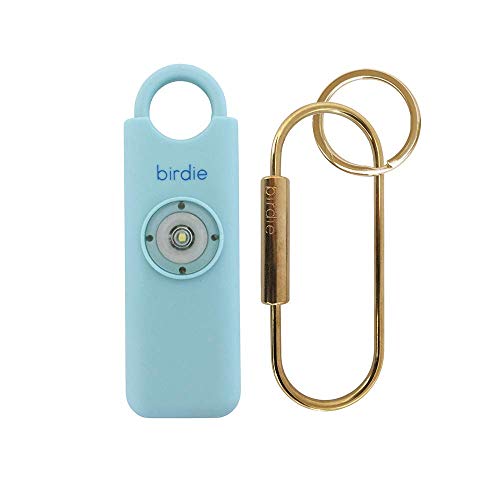
STAY SAFE, SOUND THE ALARM – When faced with danger, activate Birdie’s piercing 130dB siren and high-intensity flashing strobe light to draw attention and deter potential threats. Simply pull the top ring to unleash an immediate and powerful alert designed to startle and disorient an attacker. Whether you’re on a walk, commuting, or traveling, Birdie provides an added layer of security and peace of mind when you need it most.

[140DB Loud sound]:You can get 5 pack: black/blue/purple/rose gold/light green.This self-defense keychain alarm can make Loud sound to draw others attention even in a far distance(606.9 ft away), which can effectively scare attackers in danger and seek people around for help.
Time of Day
Time significantly influences safety for solo travelers. Daytime hours provide enhanced visibility and bustling activity in popular areas. Restaurants, shops, and attractions thrive, making you feel more secure. During twilight and nighttime, stay vigilant. Less foot traffic means more opportunities for unwanted incidents. If you must venture out after dark, stick to well-lit streets and busy neighborhoods. Consider using rideshare options for late-night returns to your accommodation.
Personal Awareness
Being aware of your surroundings is crucial for solo travelers. Keep your head up, and avoid distractions such as your phone or headphones. Trust your instincts if a situation feels off. Remain cautious in crowded tourist spots; petty theft can occur even in the safest areas. Share your itinerary with someone you trust and maintain an emergency contact list. Familiarize yourself with local emergency services in case of unexpected situations, and always know the location of your nearest safe haven, whether that’s a hotel or local business.
Tips for Solo Travelers
Traveling alone in Boston can be a rewarding experience. Use these practical tips to enhance your safety and enjoyment.
Recommended Products

𝐑𝐨𝐚𝐦 𝟔 𝐀𝐗𝟏𝟓𝟎𝟎 𝐃𝐮𝐚𝐥-𝐁𝐚𝐧𝐝 𝐓𝐫𝐚𝐯𝐞𝐥 𝐑𝐨𝐮𝐭𝐞𝐫 - Delivers fast Wi-Fi 6 speeds (1201 Mbps on 5 GHz, 300 Mbps on 2.4 GHz) for uninterrupted video streaming, downloading, and online gaming all at the same time. Actual Wi-Fi speeds vary based on source bandwidth, environment, and distance to devices.

𝐑𝐨𝐚𝐦 𝟔 𝐀𝐗𝟏𝟓𝟎𝟎 𝐝𝐮𝐚𝐥-𝐛𝐚𝐧𝐝 𝐬𝐩𝐞𝐞𝐝𝐬 - Wi-Fi 6 Speeds up to 1,201 Mbps (5 GHz) and 300 Mbps (2.4 GHz) for up to 60 devices simultaneously. Actual Wi-Fi speeds vary based on source bandwidth, environment, distance to devices, and obstacles. ◇§
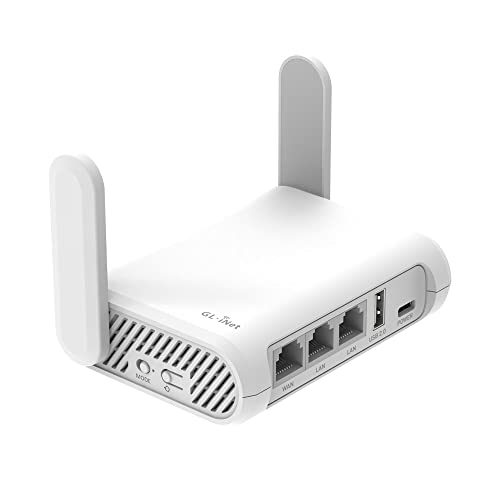
【AC1200 Dual-band Wireless Router】Simultaneous dual-band with wireless speed up to 300 Mbps (2.4GHz) + 867 Mbps (5GHz). 2.4GHz band can handles some simple tasks like emails or web browsing while bandwidth intensive tasks such as gaming or 4K video streaming can be handled by the 5GHz band.*Speed tests are conducted on a local network. Real-world speeds may differ depending on your network configuration.*
Staying Connected
Staying connected while exploring Boston improves your security. Carry a charged phone and download useful apps. Use navigation apps like Google Maps or Citymapper to find your way while avoiding confusion.
Share your location with a trusted friend or family member for added safety. Messaging apps like WhatsApp or Signal allow you to keep in touch without incurring high charges. Consider purchasing a SIM card or portable Wi-Fi hotspot to maintain reliable internet access throughout your trip.
Choosing Accommodations
Selecting the right accommodations contributes to a safe experience. Look for hotels or hostels in well-lit, populated areas such as Back Bay or Beacon Hill. These neighborhoods not only provide a sense of security but also offer easy access to Boston’s attractions.
Read reviews on sites like TripAdvisor or Booking.com to gauge the experiences of other solo travelers. Choose accommodations with 24-hour reception services and security features like keycard access. This adds an extra layer of protection as you navigate the city alone.
Local Resources and Support
Boston offers various local resources and support options for solo travelers. Knowing where to turn for help enhances your safety and confidence while exploring the city.
Emergency Services
Boston’s emergency services are easily accessible. Dial 911 for police, fire, or medical assistance. Each neighborhood has police stations, often marked clearly on maps. Familiarize yourself with the location of the nearest station to your accommodation.
Tourist Information Centers
Utilize tourist information centers throughout the city. These centers provide maps, brochures, and tips for navigating Boston’s attractions. Staff members can answer questions about safety and suggest safe routes or areas to explore. Centers are located near popular spots like Boston Common and Faneuil Hall Marketplace.
Local Hotlines and Apps
Consider downloading local safety apps. Applications like “SafeTrek” allow you to alert friends or emergency services if you feel unsafe. Local hotlines, such as the Boston Police Department’s non-emergency line (617-343-4240), can offer assistance and information.
Community Support Groups
Engage with community support groups. Online forums and social media groups connect travelers with locals and fellow tourists. Joining these platforms provides additional insights about safe practices and tips unique to the area.
City Transportation Resources
Boston’s public transportation system, the MBTA, provides safety resources. The website includes safety tips and contact information for lost items or emergencies. Familiarize yourself with the schedules to avoid late night travel in isolated areas.
Campus Resources
If you happen to be near a university campus, many offer resources for travelers, including escort services for those walking alone at night. Universities like Boston University and Northeastern University have programs to assist students and visitors alike.
Having these resources is vital for a safer trip. Stay informed, access support, and feel secure while discovering the vibrant city of Boston.
Conclusion
Traveling alone in Boston can be an exciting and enriching experience. With its welcoming atmosphere and rich history you’ll find plenty to explore. By staying aware and following some simple safety tips you can enjoy all the city has to offer with confidence.
Remember to choose your accommodations wisely and keep your phone charged for navigation and communication. Trust your instincts and don’t hesitate to reach out for help if you need it. With the right precautions you can make the most of your solo adventure in this beautiful city. Enjoy your journey and embrace the memories you’ll create along the way!
Frequently Asked Questions
Is Boston safe for solo travelers?
Boston is generally considered one of the safer cities in the U.S. It has a lower crime rate than the national average, especially for violent crime. Solo travelers can enjoy their visit by staying alert and following safety tips.
What are some safe neighborhoods in Boston for solo travelers?
Back Bay, Beacon Hill, and South End are among the safest neighborhoods in Boston for solo travelers. These areas are well-lit and populated, making them ideal for exploring.
How can I stay safe while exploring Boston?
Stay aware of your surroundings, avoid distractions like your phone, and stick to busy streets. Walk in well-lit areas, utilize public transportation wisely, and keep emergency contacts handy.
What should I do in case of an emergency while in Boston?
If you face an emergency, dial 911 for immediate help. Familiarize yourself with the location of the nearest police station and keep local emergency numbers handy.
What kind of transportation is available in Boston?
Boston offers an efficient public transportation system, including the subway and buses. Use these services to navigate the city safely, but avoid empty vehicles late at night for added security.
What resources are available for solo travelers in Boston?
Tourist information centers provide maps and safety tips. Local safety apps and hotlines, like the Boston Police Department’s non-emergency line, offer additional support. Community groups can connect you with locals for advice.
How can I choose safe accommodations in Boston?
Select hotels or hostels in well-lit areas like Back Bay or Beacon Hill. Always read reviews from other solo travelers and opt for places with 24-hour reception and security services.
What should I know about Boston’s layout when traveling solo?
Understanding Boston’s neighborhoods and layout can enhance your experience. Familiarize yourself with popular tourist areas and their safety ratings to make informed choices while exploring the city.
