


Swimming with orcas can be risky due to their size and unpredictable behavior. While they are not typically aggressive towards humans, incidents can occur, especially if they feel threatened. Understanding marine wildlife safety is crucial for anyone considering swimming in areas where orcas are present.
Orca Behavior Insights and Safety Risks
Understanding orca behavior is crucial for assessing the safety risks associated with swimming alongside these powerful marine mammals. Their social dynamics, hunting instincts, and communication methods can significantly influence interactions with humans. This section delves into the nuances of orca behavior to help clarify the potential dangers and realities of swimming in their presence.
Orcas, also known as killer whales, are highly intelligent and social marine mammals. They exhibit complex behaviors and have distinct social structures.
Despite their reputation, orcas are not generally a threat to humans. However, their sheer size and power can pose risks during encounters. Awareness of their behavior is key to ensuring safety while swimming.
-
Orcas are apex predators.
-
They can weigh up to 12,000 pounds.
-
Their speed can reach 34 mph.
Orca Safety Myths and Realities
When it comes to swimming with orcas, misconceptions often cloud the realities of marine wildlife safety. Understanding the true nature of these majestic creatures is essential for anyone considering close encounters in the water. This section delves into common myths surrounding orca interactions and highlights the factual safety considerations that should guide your decisions.
Many people believe that orcas are inherently dangerous due to their name. This misconception often stems from their portrayal in media.
In reality, orcas are known for their playful nature and curiosity towards humans. However, it is essential to recognize that they are wild animals with unpredictable behaviors.
-
Orcas have been observed playing with marine debris.
-
They often engage in social interactions with their pods.
-
Incidents involving orcas and humans are rare.
Orca Swimming Safety Practices
Swimming with orcas can be an exhilarating experience, but it also comes with inherent risks. Understanding the safety practices associated with interacting with these powerful marine mammals is crucial for both personal safety and the well-being of the animals. This section outlines essential guidelines to ensure a safe and respectful encounter with orcas in their natural habitat.
When swimming in waters inhabited by orcas, following safety guidelines is crucial. These guidelines help minimize risks and ensure a safe experience. Familiarizing yourself with these practices can significantly reduce the likelihood of negative encounters.
-
Avoid swimming alone. Always swim with a buddy.
-
Keep a safe distance. Maintain at least 100 yards from orcas.
-
Observe their behavior. If orcas appear agitated, exit the water calmly.
-
Use a reputable tour operator. Choose guides experienced in marine wildlife encounters.
Recommended Products

FUN AND ENGAGING - We designed our kids swimming cap with a playful and engaging approach. These swim caps turn swimming into a fun activity!

SWIPE ANTI-FOG TECHNOLOGY: VIEW’s anti-fog uses a water layer to avoid fogging. When oil or other particles stick to the lens, the anti-fog performance decreases. SWIPE anti-fog can clean the lens by 5 to 10 finger swipes and clear vision will be restored. Compared to other goggles, the new SWIPE goggle anti-fog lasts 10 times longer.

Orca Habitat and Safety Factors
Understanding orca habitat and the associated safety factors is crucial for anyone considering swimming in waters where these magnificent creatures reside. Their natural environments vary widely, influencing not only their behavior but also the risks involved for human swimmers. This section delves into the specific habitats of orcas and the safety considerations that come with them.
Understanding the environment in which orcas live is vital for safety. Orcas inhabit various marine ecosystems, from coastal waters to open oceans. Factors such as water temperature, currents, and local wildlife can affect their behavior and interactions with humans.
| Environmental Factor | Impact on Orcas | Safety Consideration |
|---|---|---|
| Water Temperature | Affects hunting and social behavior | Stay aware of seasonal patterns |
| Currents | Can influence orca movement | Avoid strong current areas |
| Local Wildlife | Presence of prey can attract orcas | Be cautious in feeding zones |
Orca Swimming Safety Equipment Guide
When considering a swim with orcas, understanding the right safety equipment is crucial for both personal safety and the well-being of these majestic creatures. This guide outlines essential gear and tools that can enhance your experience while minimizing risks in the unpredictable marine environment. Equip yourself with the knowledge needed to ensure a safe and responsible interaction with orcas.
Choosing the right equipment can enhance safety while swimming with orcas. Proper gear not only provides protection but also improves visibility and comfort in the water. Investing in quality equipment is essential for a safe experience.
-
Wetsuit: Provides thermal protection and buoyancy.
-
Snorkel Gear: Ensures clear visibility underwater.
-
Buoyancy Aid: Increases safety during encounters.
Recommended Products

MAXIMUM WATER BUOYANCY: Engineered with premium 4.5mm Yamamoto neoprene strategically placed in the legs to lift your lower body. This corrective thickness eliminates sinky legs, helping you maintain a perfectly horizontal, elevated swimming posture to conserve critical energy for the bike and run phases.
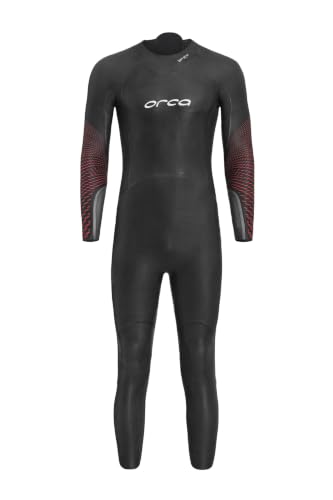
MAXIMUM WATER BUOYANCY: Engineered with premium 4.5mm Yamamoto neoprene strategically placed in the legs to lift your lower body. This corrective thickness eliminates sinky legs, helping you maintain a perfectly horizontal, elevated swimming posture to conserve critical energy for the bike and run phases.

Visibility in Open Water. The brightly-colored New Wave Swim Buoy is exceptionally noticeable to boaters, jet skis, paddlers, surfers and some say, can be visible from space. Improve your visibility to avoid getting decapitated by a jet ski or a speed boat. Swimmers in black wetsuits are virtually invisible in the open water - New Wave Swim Buoy will display your prominently in the murky waters of the Loch Ness Lake - even the Loch Ness Monster will not confuse you for a tasty harbour seal.
Orca Encounter Safety Regulations
Understanding the safety regulations surrounding orca encounters is crucial for anyone considering swimming in waters inhabited by these majestic creatures. This section outlines the guidelines and best practices designed to protect both swimmers and orcas, ensuring a safe and respectful interaction with marine wildlife. Familiarizing yourself with these regulations can enhance your experience while prioritizing safety.
Familiarizing yourself with local laws and regulations regarding orca encounters is essential. Many regions have specific guidelines to protect both marine wildlife and swimmers. Understanding these regulations can help ensure compliance and safety during your activities.
-
Some areas prohibit swimming with orcas.
-
Regulations often include distance requirements.
-
Violating guidelines can result in fines.
Orca Swimming Safety Guidelines
Swimming with orcas can be an exhilarating experience, but it comes with important safety considerations. Understanding the behavior of these powerful marine mammals and adhering to specific guidelines is essential for ensuring both human and orca safety. This section outlines key safety measures to keep in mind when encountering orcas in the wild.
Swimming with orcas can be a thrilling experience, but it comes with inherent risks. Always prioritize safety by following guidelines and respecting marine wildlife. Understanding orca behavior and environmental factors is essential for a safe encounter.
