


Swimming in the rain can pose significant safety risks, particularly due to lightning and water conditions. While it may seem enjoyable, the dangers of swimming during a storm outweigh any temporary thrill.
Lightning Hazards in Rainy Swimming Conditions
Swimming during rainy conditions can pose significant risks, particularly due to the threat of lightning. Understanding the dangers associated with lightning strikes in and around water is crucial for ensuring safety while enjoying aquatic activities. This section delves into the specific hazards that arise when swimming in the rain and offers insights into protective measures.
Swimming during a thunderstorm increases the likelihood of being struck by lightning. Water is an excellent conductor of electricity, which means that any lightning strike can travel through the water. This can lead to severe injuries or fatalities.
-
Lightning can strike water up to 10 miles away from the storm.
-
Being in water during a storm increases your risk of injury.
-
Seek shelter immediately if you hear thunder or see lightning.
Recommended Products

Included components: Radio, Owners Manual, FM Antenna, Hanging Strap

Shower Radio with AM and FM reception, you can listen to your favorite radio stations and shower to music, talk shows and the news.

【Life-Saving Emergency Alarm And Weather Updates】 Stay ahead of hurricanes, wildfires, and disasters with real-time NOAA/AM/FM weather alarm. Our emergency radio automatically scans and saves local weather channels and features an enhanced hidden antenna to provide critical updates when you need them most
Assessing Post-Rain Swimming Hazards
Swimming after rain can present various hazards that are often overlooked. It’s essential to assess the conditions of the water and surrounding environment to ensure safety. Understanding the risks associated with swimming in rain-affected areas can help prevent accidents and ensure a more enjoyable experience.
Heavy rain can lead to dangerous water conditions. Flooding, strong currents, and debris can make swimming hazardous. Understanding these conditions is essential for safety.
-
Flooding can change the landscape and create hidden hazards.
-
Strong currents can pull swimmers away from safety.
-
Debris can cause injuries or block exits.
| Condition | Risk Level | Safety Precautions |
|---|---|---|
| Flooding | High | Avoid swimming in flooded areas |
| Strong Currents | Medium | Swim near lifeguards and stay close to shore |
| Debris | Medium | Check for hazards before entering the water |
Check Local Weather for Swimming Safety
Before heading to the pool or beach during rainy weather, it’s essential to check local forecasts. Rain can bring unpredictable conditions that increase risks, including lightning and strong currents. Understanding the weather can help you make informed decisions about swimming safety.
Before heading out to swim, check local weather forecasts. Sudden changes can indicate approaching storms. Knowing the weather can help you avoid dangerous situations.
-
Use reliable weather apps or websites for real-time updates.
-
Pay attention to storm warnings and advisories.
-
Plan swimming activities during safe weather conditions.
Recommended Products

NOAA Weather Scan & Alert - This emergency weather alert radio features S.A.M.E localized programming and alert you to over 60 kinds of weather hazards and emergencies. NOAA Weather Scan will automatically alert you of events.
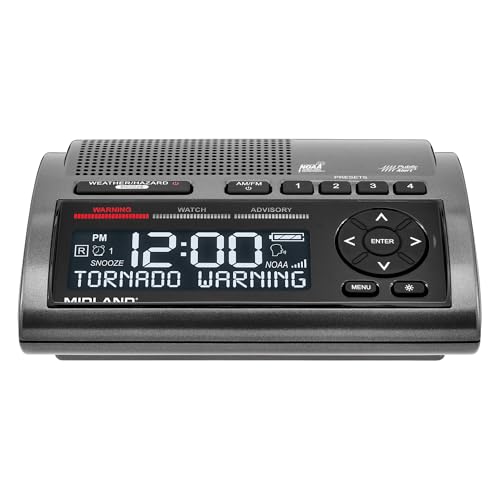
NOAA Weather Scan + Alert: NOAA Weather Scan will automatically scan through 10 available weather (WX) band channels and locks onto the strongest weather channel to alert you of severe weather updates. NOAA Weather Alert will sound an alarm indicating that there is a risk of severe weather in your area. NOAA Weather Radio will also be used to broadcast AMBER alerts for missing children.

AUTOMATIC NOAA WEATHER ALERT RADIO - This weather alert radio may save your life! Especially important at night while you are sleeping! It auto-scans for emergency and weather alerts when you turn the device on or in standby mode,and alert you if any emergency warning is issued. No need to listen to the weather broadcast all day and night. Getting an NOAA alert about impending weather threats gives you a heads-up that bad weather is on the way, so you can prepare or even evacuate if necessary.
Swimming Safety Guidelines for Storms
When storms roll in, swimming can pose significant risks beyond just rain. Understanding the safety guidelines for swimming during inclement weather is crucial to protect yourself from dangers like lightning and strong currents. This section outlines essential precautions to ensure your safety while enjoying water activities in unpredictable conditions.
If caught in a storm while swimming, follow these safety protocols to minimize risks. Taking immediate action can save lives.
-
Exit the water immediately if you hear thunder.
-
Seek shelter in a sturdy building or vehicle.
-
Avoid tall structures and trees which can attract lightning.
Assessing Safe Swimming Areas During Rain
When rain begins to fall, it can significantly alter swimming conditions and safety. Understanding how to assess safe swimming areas during inclement weather is crucial for minimizing risks associated with water safety. This section will explore key factors to consider when evaluating whether it’s safe to swim in the rain.
Choosing the right swimming location can significantly impact safety during rain. Some areas are better equipped to handle storms than others.
-
Public pools often have safety protocols in place.
-
Lifeguards can provide immediate assistance and guidance.
-
Designated swimming areas are usually monitored for safety.
Swimming Regulations for Inclement Weather
Swimming during inclement weather poses unique challenges and risks that vary by location and conditions. Understanding the regulations governing swimming in rain and storms is crucial for ensuring safety. This section delves into the guidelines and recommendations that help swimmers navigate these potentially hazardous situations.
Local regulations often dictate swimming during inclement weather. Familiarize yourself with these rules to ensure compliance and safety.
-
Many beaches and pools close during storms.
-
Lifeguards may enforce mandatory evacuations.
-
Ignoring regulations can result in fines or penalties.
Swimming Safety Guidelines for Rainy Conditions
Swimming in the rain can present unique safety challenges, particularly concerning lightning and water conditions. Understanding the risks and following specific guidelines can help ensure a safer experience in unpredictable weather. This section outlines essential swimming safety practices to consider when faced with rainy conditions.
Assessing the risks associated with swimming in the rain is crucial. Make informed decisions based on weather, water conditions, and local regulations.
-
Always prioritize safety over enjoyment.
-
Stay informed about weather changes.
-
Follow safety protocols to protect yourself and others.
Never swim during a thunderstorm. The risks far outweigh any temporary enjoyment.
Recommended Products

easy installation. Light weight. Maintenance is simple. Support custom patterns

easy installation. Light weight. Maintenance is simple. Support custom patterns

easy installation. Light weight. Maintenance is simple. Support custom patterns
