


Swimming in Lake Okeechobee can pose risks due to harmful algae blooms and the presence of alligators. Assessing water quality and understanding safety measures is essential before entering the lake.
Algae Toxin Risks in Lake Okeechobee
Harmful algae blooms can occur in Lake Okeechobee, especially during warmer months. These blooms can produce toxins that pose health risks to humans and pets. Monitoring local advisories is crucial for determining water safety. Algae can affect water clarity and quality, making it essential to stay informed about current conditions.
Recommended Products

TRUSTED SCIENCE, MADE SIMPLE: For over two decades, Detekt technology has safeguarded public health worldwide. Backed by laboratory instrumentation and expert validation, you can now have that same professional-grade protection in your own home.

TRUSTED SCIENCE, MADE SIMPLE: For over two decades, Detekt technology has safeguarded public health worldwide. Backed by laboratory instrumentation and expert validation, you can now have that same professional-grade protection in your own home.

TRUSTED SCIENCE, MADE SIMPLE: For over two decades, Detekt technology has safeguarded public health worldwide. Backed by laboratory instrumentation and expert validation, you can now have that same professional-grade protection in your own home.
Harmful Algae Variants in Lake Okeechobee
Lake Okeechobee is known for its natural beauty, but it also harbors harmful algae that can pose serious health risks. Understanding the specific types of harmful algae present in the lake is crucial for ensuring safety while swimming or engaging in other recreational activities. This section explores the various harmful algae variants found in Lake Okeechobee and their potential impacts on human health.
Different types of algae can be found in Lake Okeechobee. Some of the most concerning include:
| Algae Type | Toxin Produced | Health Effects |
|---|---|---|
| Blue-Green Algae | Microcystin | Skin irritation, nausea |
| Dinoflagellates | Saxitoxin | Neurological symptoms |
| Green Algae | None | Generally safe |
Avoid swimming in areas with visible algae blooms. Always check local health department updates for the latest advisories.
Alligator Safety Guidelines for Swimmers
Swimming in Lake Okeechobee offers unique experiences, but safety must be a priority, especially regarding alligator encounters. Understanding alligator behavior and adhering to safety guidelines can help ensure a secure and enjoyable time in the water. Here are essential tips for swimmers to minimize risks while enjoying the lake’s natural beauty.
Lake Okeechobee is home to a significant population of alligators. Understanding their behavior is vital for ensuring safety while swimming.
Alligators are most active during dawn and dusk. They can be unpredictable, so it is essential to take precautions.
Swimming Safety Measures for Lake Okeechobee
Swimming in Lake Okeechobee can be a refreshing experience, but it comes with specific safety concerns. Understanding the risks associated with algae blooms and the presence of alligators is crucial for a safe outing. This section outlines essential safety measures to help you enjoy your time in the water while minimizing potential hazards.
Follow these safety measures to minimize risks:
-
Stay in designated swimming areas to avoid alligator habitats.
-
Avoid swimming alone to ensure assistance is available if needed.
-
Do not feed alligators as this encourages them to approach humans.
-
Observe surroundings for any signs of alligator activity.
If you encounter an alligator, remain calm and back away slowly. Do not provoke or corner the animal.
Lake Okeechobee Water Quality Testing Procedures
Understanding the water quality testing procedures at Lake Okeechobee is crucial for assessing the safety of swimming in its waters. These procedures help identify harmful algal blooms and other potential hazards, ensuring that visitors are informed about the conditions they may encounter. By examining the methods used in these tests, we can better gauge the risks associated with recreational activities in the lake.
Checking water quality is a critical step before swimming in Lake Okeechobee. Local health departments regularly test water samples for contaminants and toxins.
Recommended Products

PROTECT YOUR HOME AND WELLNESS: Understand the impact of hard water on your home and health. Hard water can damage appliances, clog pipes, and affect your skin and hair. By using Varify's Water Testing Kit to monitor your water's hardness, you're taking an important step in preventing potential damage and ensuring the well-being of your household.

17 IMPORTANT PARAMETERS: The Varify Premium Drinking Water Test Kit offers an unrivaled, complete analysis of your drinking water by testing for 17 essential parameters. This includes crucial tests for chlorine, fluoride, lead, iron, bacteria, and more, ensuring that you're fully informed about the quality of your water. With this extensive range of testing capabilities, you can detect contaminants and imbalances that could affect your health, providing a holistic view of your water's safety.

What Is Blue-Green Algae? Blue-green algae is a type of cyanobacteria found in warm, nutrient-rich bodies of water including lakes, ponds, rivers and reservoirs. These algal blooms occur mostly during the warmer months but can happen year-round if conditions align.
Water Quality Assessment Factors
When considering swimming in Lake Okeechobee, understanding the water quality is crucial for safety. Various factors, including algae presence and the overall health of the ecosystem, play significant roles in determining whether the water is safe for recreational activities. An assessment of these elements can help ensure a safer experience for swimmers and visitors alike.
Consider these factors when assessing water quality:
| Indicator | Safe Level | Action Required |
|---|---|---|
| Microcystin | < 10 µg/L | Safe to swim |
| E. coli | < 235 CFU/100 mL | Safe to swim |
| Phosphorus | < 0.1 mg/L | Monitor for blooms |
Always consult local advisories for the most accurate and up-to-date information.
Algae and Alligator Incident Response Guidelines
When considering a swim in Lake Okeechobee, understanding the potential hazards is crucial. This section outlines essential guidelines for responding to incidents involving harmful algae blooms and alligator encounters, ensuring safety while enjoying the lake’s recreational opportunities. Familiarizing yourself with these protocols can help mitigate risks associated with swimming in this unique ecosystem.
In the event of exposure to harmful algae or an alligator encounter, knowing how to respond is crucial.
Recommended Products

DANGER – TOXIC BLUE-GREEN ALGAE – Clearly marks water bodies affected by harmful algal blooms so people understand the water is unsafe for both humans and animals.
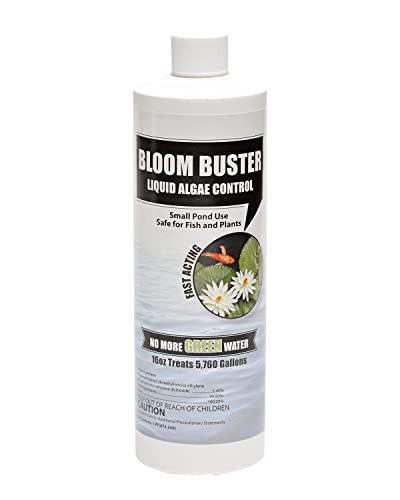
For small ponds with heavy algae growth, clean the excess algae off the sides and ornaments before adding Bloom Buster Liquid Algae Control.

Post-Swimming Safety Protocols
After enjoying a swim in Lake Okeechobee, it’s essential to follow specific safety protocols to ensure your well-being. These guidelines address potential risks associated with water quality, such as harmful algae blooms, and the presence of alligators. Understanding and implementing these measures can help you enjoy your experience while minimizing health and safety concerns.
If you experience any symptoms after swimming, follow these steps:
-
Rinse off immediately with clean water if exposed to algae.
-
Seek medical attention for any severe symptoms such as difficulty breathing or severe skin reactions.
-
Report alligator sightings to local wildlife authorities to ensure public safety.
Stay informed and prepared to enhance your safety while enjoying Lake Okeechobee.
