


Swimming in Jordan Lake can be safe, but water quality and algae blooms require attention. Regular monitoring of water conditions is essential to ensure a safe experience for swimmers and other water activities.
Jordan Lake Water Quality Insights
Water quality at Jordan Lake fluctuates due to various factors including rainfall, temperature, and human activity. The North Carolina Division of Water Resources regularly tests the lake’s water for potential contaminants and harmful algae blooms. It is vital to check these updates before planning a swim.
Jordan Lake Water Quality Testing Schedule
Understanding the water quality at Jordan Lake is crucial for ensuring a safe swimming experience. This section outlines the schedule for regular water quality testing, providing essential information on when tests are conducted and how the results impact recreational activities. Stay informed to enjoy a safe outing at the lake.
Water quality tests are conducted frequently to monitor levels of bacteria and toxins. The following table summarizes the testing schedule and parameters.
| Test Type | Frequency | Parameters Monitored |
|---|---|---|
| Bacteria Testing | Weekly | E. coli, Enterococci |
| Algae Monitoring | Biweekly | Cyanobacteria, Toxins |
| General Water Quality | Monthly | pH, Dissolved Oxygen |
Health Risks of Algae Blooms
Algae blooms can pose significant health risks to swimmers in Jordan Lake, affecting both water quality and safety. Understanding the potential dangers associated with these blooms is essential for anyone considering a visit to the lake. This section explores the various health concerns linked to algae and offers insights into how to stay safe while enjoying the water.
Algae blooms can pose significant health risks to swimmers. These blooms often occur during warm months and can produce toxins harmful to humans and pets.
Symptoms of exposure include skin irritation, respiratory issues, and gastrointestinal problems. Always check for algae advisories before swimming.
Swimming Safety Guidelines for Jordan Lake
When planning a visit to Jordan Lake, understanding the swimming safety guidelines is essential for a safe and enjoyable experience. This section outlines important precautions and recommendations to help swimmers navigate potential hazards, including water quality and algae presence, ensuring a fun day by the water while prioritizing health and safety.
Taking safety precautions can enhance your swimming experience at Jordan Lake. Here are essential steps to follow before entering the water.
Recommended Products
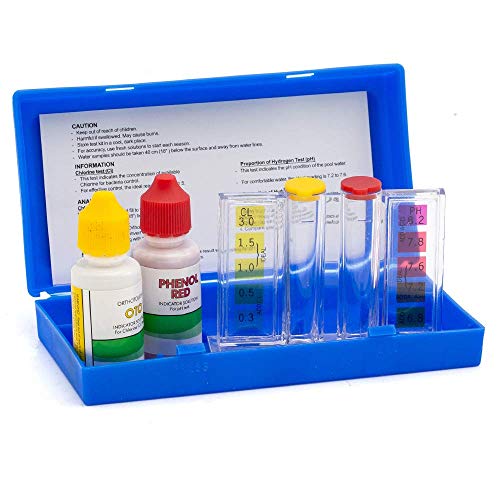
2 Way Pool Water Test Kit For Test For OTO, CL, and PH Level

Contains one (1) API FRESHWATER MASTER TEST KIT 800-Test Freshwater Aquarium Water Master Test Kit, including 7 bottles of testing solutions, 1 color card and 4 tubes with cap
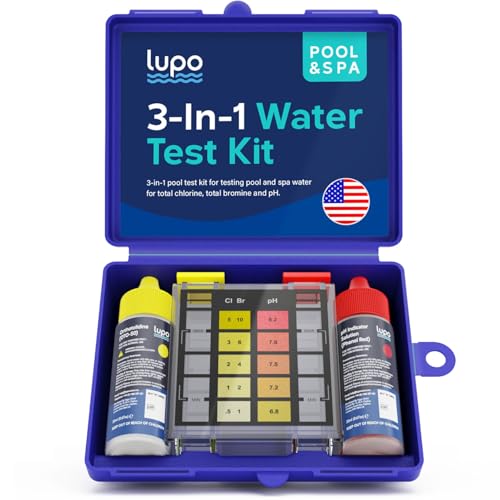
3-IN-1 POOL TESTING KIT: An easy-to-use, accurate pool test kit for testing three essential water quality parameters in residential pools and spas: Total Chlorine, Total Bromine, and pH. Includes enough reagents for 100 tests, helping keep your water safe, clean, balanced, and ready to use anytime.
Essential Gear for Jordan Lake Safety
When planning a trip to Jordan Lake, having the right gear is crucial for ensuring a safe and enjoyable experience. From personal flotation devices to water testing kits, the essential equipment can help you navigate potential hazards and stay informed about water quality. This section highlights the must-have items to enhance your safety while swimming in the lake.
Having the right gear can improve safety and enjoyment. Consider the following items:
-
Life jackets for non-swimmers and children
-
Sunscreen to protect against UV rays
-
First aid kit for minor injuries
-
Water shoes to prevent cuts and slips
Swimming Safety Guidelines for Jordan Lake
When considering a swim in Jordan Lake, it’s essential to be aware of specific safety guidelines to ensure a safe and enjoyable experience. This section outlines crucial recommendations regarding water quality, potential hazards, and best practices for swimming in this popular destination. Staying informed will help you make the most of your time at the lake while prioritizing your health and safety.
Preparation is key to a safe swimming experience. Follow these guidelines:
-
Check water quality reports before visiting
-
Stay informed about local advisories regarding algae
-
Swim in designated areas monitored by lifeguards
Algae Bloom Response Guidelines
As concerns about water quality at Jordan Lake rise, understanding how to respond to algae blooms becomes essential for ensuring safety. The following guidelines provide clear steps to take if you encounter an algae bloom, helping you make informed decisions while enjoying the lake’s recreational opportunities. Stay informed to protect yourself and your loved ones during your visits.
If you encounter an algae bloom while swimming, it is crucial to respond appropriately. Here are steps to take.
Recommended Products

For small ponds with heavy algae growth, clean the excess algae off the sides and ornaments before adding Bloom Buster Liquid Algae Control.

For small ponds with heavy algae growth, clean the excess algae off the sides and ornaments before adding Bloom Buster Liquid Algae Control.
Calm Exit Procedures for Algae Safety
When enjoying the waters of Jordan Lake, understanding safe exit procedures is crucial, especially in the presence of algae. This section outlines the best practices for safely leaving the water, ensuring that you minimize any potential health risks associated with algae exposure. Stay informed and prepared to protect yourself and your loved ones while enjoying the lake.
-
Exit the water calmly and avoid contact with the algae.
-
Rinse off with fresh water as soon as possible.
-
Report the bloom to local authorities to aid monitoring efforts.
Community Actions for Algae Prevention
Community involvement is crucial in the fight against algae growth in Jordan Lake. Local residents and organizations are taking proactive measures to address water quality issues, implementing strategies to reduce nutrient runoff and promote sustainable practices. These collective efforts aim to ensure a safer swimming environment and preserve the lake’s ecosystem for future generations.
Preventing future algae blooms requires community action. Engage in practices that protect the lake’s ecosystem.
-
Reduce fertilizer use near the lake to limit nutrient runoff.
-
Participate in clean-up events to remove debris and pollutants.
-
Educate others about the importance of maintaining water quality.
Local Water Safety Alerts and Updates
Staying informed about water safety is crucial for anyone planning to swim in Jordan Lake. This section provides the latest alerts and updates regarding water conditions, including potential hazards like harmful algae blooms. Understanding these factors can help ensure a safe and enjoyable experience while enjoying the lake’s recreational opportunities.
Staying informed about local updates is essential for safe swimming. Local agencies provide timely information regarding water conditions and algae blooms.
Water Quality Reports from North Carolina
North Carolina’s water quality reports provide essential insights into the safety of recreational activities at Jordan Lake. These updates detail the current conditions of the water, including any concerns related to algae blooms and other pollutants. Understanding this information is crucial for ensuring a safe swimming experience in the lake.
-
North Carolina Division of Water Resources for water quality reports
-
Local health departments for public advisories
-
Social media channels for real-time updates from community organizations
Jordan Lake Swimming Safety Alerts
Swimming in Jordan Lake can be a refreshing experience, but it’s essential to stay informed about safety alerts and water quality updates. Recent reports highlight concerns related to algae blooms and other hazards that may affect swimmers. Understanding these factors is crucial for ensuring a safe and enjoyable visit to the lake.
Always prioritize safety by checking water conditions and algae advisories before swimming in Jordan Lake.
Recommended Products

TRUSTED SCIENCE, MADE SIMPLE: For over two decades, Detekt technology has safeguarded public health worldwide. Backed by laboratory instrumentation and expert validation, you can now have that same professional-grade protection in your own home.

What Is Blue-Green Algae? Blue-green algae is a type of cyanobacteria found in warm, nutrient-rich bodies of water including lakes, ponds, rivers and reservoirs. These algal blooms occur mostly during the warmer months but can happen year-round if conditions align.

TRUSTED SCIENCE, MADE SIMPLE: For over two decades, Detekt technology has safeguarded public health worldwide. Backed by laboratory instrumentation and expert validation, you can now have that same professional-grade protection in your own home.
