


Swimming in creeks can expose you to harmful bacteria and other safety hazards. It’s essential to assess water quality and understand the risks before entering these natural bodies of water.
Water Bacteria and Health Risks in Creeks
Swimming in creeks can offer a refreshing escape into nature, but it also raises concerns about water quality and health risks. Understanding the presence of water bacteria and their potential impact on human health is crucial for anyone considering a dip in these natural bodies of water. This section explores the types of bacteria commonly found in creeks and the associated health hazards.
Creeks can harbor various bacteria, including E. coli and fecal coliform, which can lead to gastrointestinal illnesses.
These bacteria often originate from agricultural runoff, sewage discharge, or wildlife. Testing water quality is crucial, especially after heavy rainfall, which can wash contaminants into the water.
Bacterial Species in Creek Water
Understanding the bacterial species present in creek water is crucial for assessing safety when swimming. Various microorganisms can thrive in these environments, potentially posing health risks to swimmers. This section delves into the specific types of bacteria commonly found in creeks and their implications for water quality and safety.
Different types of bacteria can be present in creek water. Knowing these can help you make informed decisions about swimming.
| Bacteria Type | Source | Health Risks |
|---|---|---|
| E. coli | Animal waste, sewage | Diarrhea, stomach cramps |
| Fecal coliform | Animal and human waste | Gastroenteritis |
| Salmonella | Contaminated water | Fever, diarrhea |
| Giardia | Animal feces | Diarrhea, nausea |
Evaluate Creek Water Safety Before Swimming
Before diving into creek waters, it’s essential to assess their safety due to potential hazards like harmful bacteria and pollutants. Understanding the specific conditions of the creek, including water quality and environmental factors, can help ensure a safer swimming experience. This section will guide you through the key considerations for evaluating creek water safety.
Before deciding to swim in a creek, it’s essential to assess the water quality. Look for signs of contamination, such as unusual colors, odors, or debris. Local health departments often provide water quality reports, which can guide your decision.
Indicators of Creek Water Safety
Understanding the safety of creek water is crucial for anyone considering a swim in these natural bodies. Various indicators can help assess the water quality and potential hazards, including the presence of bacteria and environmental conditions. This section will explore key signs to look for to ensure a safe swimming experience in creeks.
When evaluating creek water, consider the following indicators:
-
Clarity: Clear water is generally safer than murky water.
-
Odor: A foul smell can indicate contamination.
-
Debris: Floating debris may signal pollution.
-
Local advisories: Check for any posted warnings or advisories.
Creek Swimming Hazards Beyond Bacteria
While bacteria are a well-known concern when swimming in creeks, other hazards can pose significant risks to swimmers. From sharp rocks and submerged debris to unpredictable currents and wildlife encounters, understanding these dangers is crucial for ensuring a safe and enjoyable experience in natural waters. Awareness of these factors can help mitigate risks and promote safer swimming practices.
While bacteria are a significant concern, other hazards can make swimming in creeks unsafe. These include strong currents, submerged objects, and varying water depths. Awareness of these factors is critical for a safe experience.
Swimming Hazards in Creek Environments
Swimming in creeks can present various hazards that go beyond just water quality. Understanding the potential dangers, including waterborne bacteria and environmental risks, is essential for ensuring a safe experience. This section explores the specific threats associated with creek swimming, helping you make informed decisions before diving in.
When swimming in creeks, be mindful of the following hazards:
-
Strong currents: Can sweep swimmers away.
-
Submerged rocks: Pose a risk for injuries.
-
Sudden depth changes: Can lead to accidents.
-
Wildlife encounters: Snakes and other animals may be present.
Creek Swimming Safety Guidelines
Swimming in creeks can offer a refreshing escape into nature, but it’s essential to be aware of potential safety hazards. Understanding the risks associated with water bacteria and other environmental factors can help ensure a safe and enjoyable experience. The following guidelines provide important information on how to swim safely in creeks.
To minimize risks while swimming in creeks, follow these best practices. These steps can help ensure a safer experience.
Recommended Products

SEEKWAY: Not just for protection, but also for company.

COMFORTABLE - Athmile water socks are made of breathable, quick-dry and elastic fabric. And its thick insole make you feel great soft when you are in a happy outdoor time.
Local Water Quality Safety Guidelines
Understanding local water quality safety guidelines is essential for anyone considering swimming in creeks. These guidelines help identify potential hazards, including harmful bacteria and pollutants, ensuring a safer experience. By following these recommendations, swimmers can make informed decisions about their health and safety while enjoying natural water bodies.
-
Check local water quality reports: Always verify current conditions.
-
Swim with a buddy: Never swim alone.
-
Wear appropriate gear: Use water shoes to protect your feet.
-
Avoid swimming after heavy rain: Wait at least 48 hours for contaminants to settle.
Creek Swimming Safety Insights and Recommendations
Swimming in creeks can be refreshing, but it also poses potential risks due to water quality and safety hazards. Understanding the presence of harmful bacteria and other dangers is essential for ensuring a safe experience. The following insights and recommendations will help you navigate the safety considerations of creek swimming effectively.
Swimming in creeks can be enjoyable but comes with inherent risks. Understanding water quality and potential hazards is essential for a safe experience. Always prioritize safety by following best practices and being aware of your surroundings.
Recommended Products
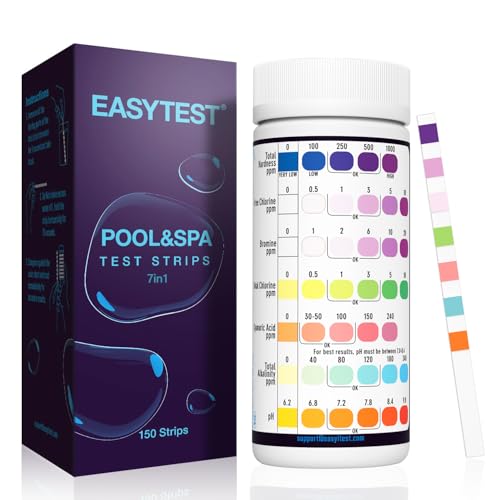
AFFORDABLE 150 STRIPS: This water chemical testing kit contains 150 test strips. Enough balanced for your swimming pool, hot tub, spa and other water testing. At least testing twice a week is recommended to keep your pool sparkling clean and safe.

2 Way Pool Water Test Kit For Test For OTO, CL, and PH Level
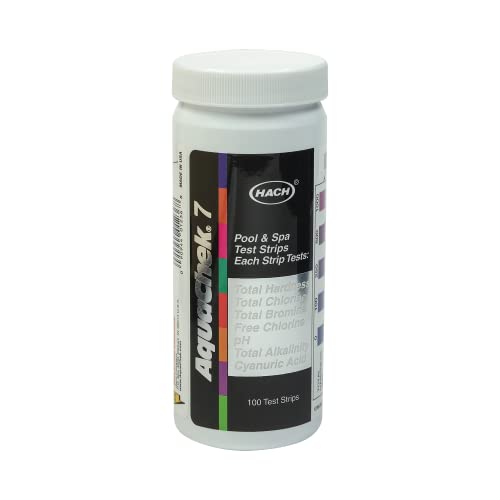
7-IN-1 TEST STRIPS: Tests the most critical parameters: pH, Total Chlorine, Free Chlorine, Bromine, Alkalinity, Total Hardness, & Cyanuric Acid
