


Sleeping under a tree at night can pose various risks, primarily related to weather and health. Factors such as falling branches, insect bites, and potential allergies should be considered before choosing this sleeping arrangement.
Assess Weather Risks for Tree Sleeping
Sleeping under a tree at night can seem peaceful, but it’s essential to assess the weather risks involved. Factors such as wind, rain, and temperature fluctuations can significantly impact safety and comfort. Understanding these elements will help you make an informed decision about whether to rest beneath the branches.
Before deciding to sleep under a tree, assess the weather forecast. Windy conditions can increase the risk of branches breaking off and falling. Rain can lead to dampness, which may affect comfort and increase the risk of hypothermia.
Consider these factors:
-
Wind speed
-
Rain forecast
-
Temperature fluctuations
-
Storm warnings
Recommended Products

Waterproof and sandproof This blanket is made of acrylic fibers+ PE waterproof membrane, the surface is soft and comfortable. And the PE waterproof membrane blocks moisture, anti sand and waterproof. Easily wiped away by simply shaking and slapping. It is your perfect partner to keep dry in a rainy camp site or wet grass for picnic or sandy beach

Choose American. Choose Certainty. Eurmax Canopy is North America’s #1 factory store, stocking all canopies, accessories, and patio umbrellas right here in the U.S.

Waterproof Protection: Built from ripstop nylon with taped seams, our waterproof camping tarp blocks rain and shields your hammock from wet conditions. Use it confidently as a rain fly for hammock camping or a tent rain fly during backcountry trips
Wind Hazards for Sleeping Under Trees
Sleeping under a tree can seem peaceful, but wind hazards pose significant risks. Strong gusts can cause branches to break or fall, leading to potential injuries. Understanding these dangers is crucial for anyone considering a night beneath the canopy, especially in areas prone to high winds.
Wind can be a significant factor when sleeping outdoors. High winds can cause branches to sway or break, posing a danger to anyone sleeping underneath.
To minimize risk, check local wind conditions:
| Wind Speed (mph) | Risk Level | Precautions |
|---|---|---|
| 0-10 | Low | Safe to sleep |
| 11-20 | Moderate | Choose smaller trees |
| 21-30 | High | Avoid sleeping under trees |
| 31+ | Severe | Seek shelter indoors |
Avoid sleeping under large branches or dead trees, as these are more likely to fall during windy conditions.
Outdoor Wildlife and Insect Risks
Sleeping under a tree at night can expose you to various outdoor wildlife and insect risks. From potential encounters with nocturnal animals to the threat of insect bites, understanding these hazards is crucial for ensuring a safe and restful night outdoors. This section explores the specific wildlife and insect concerns you may face when choosing to sleep beneath the branches.
Insects and wildlife can pose health risks when sleeping outdoors. Mosquitoes, ticks, and other insects can transmit diseases. Animals may also be attracted to food or scents, leading to encounters that could be dangerous.
Consider these precautions:
-
Use insect repellent on exposed skin.
-
Sleep in a bug net to prevent bites.
-
Store food securely to avoid attracting animals.
Tree Pollen Allergies and Sleep Safety
Sleeping under a tree at night can offer a serene experience, but it also raises concerns about tree pollen allergies and overall safety. Understanding the potential health risks associated with pollen exposure, especially during certain seasons, is crucial for ensuring a restful night’s sleep. This section delves into the implications of tree pollen and how it affects sleep quality and health.
Sleeping under certain trees can trigger allergies due to pollen. Trees such as oaks, pines, and birches are known for high pollen counts, especially during spring and early summer.
Monitor pollen counts in your area:
| Tree Type | Pollen Season | Allergy Risk |
|---|---|---|
| Oak | Spring | High |
| Pine | Spring to Fall | Moderate |
| Birch | Spring | High |
| Maple | Spring | Low |
If you have known allergies, consider avoiding trees that are in bloom or have high pollen counts.
Safe Tree Selection for Sleeping Outdoors
Choosing the right tree for sleeping outdoors is crucial for ensuring safety and comfort. Factors such as tree stability, potential hazards like falling branches, and the surrounding environment play a significant role in making an informed decision. Understanding these elements can help you enjoy a peaceful night under the stars without unnecessary risks.
Selecting the right tree can significantly impact your safety and comfort. Look for healthy trees with strong branches and a stable trunk. Avoid trees that show signs of decay or damage.
Key characteristics to consider:
-
Strong trunk with no visible damage
-
Healthy foliage indicating vitality
-
No dead branches that could fall
Recommended Products

CAMPING SLEEPING PAD - At 72-inches-long, this cushy sleeping mat will easily fit on extra wide cots designed for children and adults of all ages, while the 1-inch-thick premium foam material offers superior comfort to ensure a restful night's sleep.

QUICK SETUP: Built-in foot pump with Insta-Pump Technology inflates pad in under 60 seconds, no extra inflation gear needed

SLEEPING MAT - The 0.75-inch-thick premium foam material offers superior comfort to ensure a restful night of sleep. At 72-inches-long, the cushy foam camping pad will easily fit on extra wide cots designed for people of all sizes.
Ground Surface Impact on Sleep Quality
The ground surface beneath a tree can significantly influence your sleep quality when camping or resting outdoors. Factors such as soil type, moisture levels, and the presence of roots or rocks can affect comfort and warmth. Understanding these elements is crucial for ensuring a restful night under the stars.
The ground beneath the tree can affect your comfort level while sleeping. Uneven terrain can lead to discomfort, while damp ground can increase the risk of hypothermia.
Choose your sleeping spot wisely:
-
Look for dry, flat ground.
-
Use a sleeping pad for insulation.
-
Avoid areas with standing water.
Essential Gear for Sleeping Under Trees
When considering a night spent sleeping under a tree, having the right gear is crucial for safety and comfort. The right equipment can protect you from the elements and potential hazards while enhancing your overall experience. This section outlines the essential items you should bring along for a safe and enjoyable night outdoors.
When planning to sleep under a tree, preparation is essential. Bring the right gear to ensure safety and comfort.
Essential gear includes:
-
Tent or tarp for shelter
-
Sleeping bag rated for the temperature
-
First aid kit for emergencies
-
Flashlight for visibility at night
Recommended Products

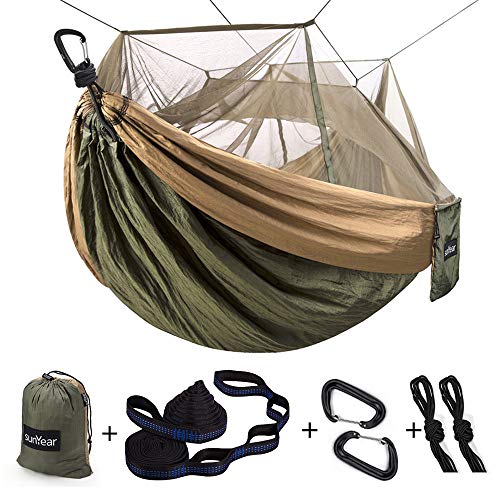
Bug-Free Comfort, Built to Last. Our reversible net creates a spacious, no-sag sanctuary. The hammock is crafted from 210T Ripstop Nylon with reinforced stitching, tested to withstand a 500 lbs capacity for your peace of mind.
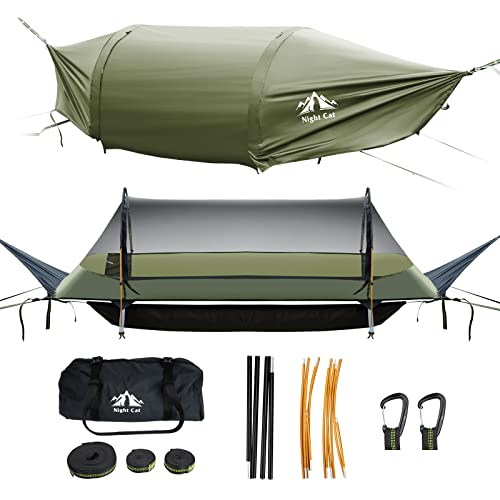
【ATTENTION】 When setting up this Hammock Pro, please do tie ALL OF STRAPS at the SAME HEIGHT (1 Meter), and follow the video demonstration on this product page. DO NOT follow the steps of user manual in the package.
Emergency Response Strategies for Tree Sleepers
Sleeping under a tree at night can pose various risks, from falling branches to unexpected weather changes. Understanding emergency response strategies is crucial for anyone considering this option. This section outlines practical measures to ensure safety and preparedness while enjoying the outdoors.
Always have a plan in case of emergencies. Know the nearest exit routes and have a communication device available.
Key emergency items:
-
Mobile phone with a charged battery
-
Whistle to signal for help
-
Map of the area
Being prepared can make a significant difference in ensuring a safe experience while sleeping outdoors.
Safety Considerations for Sleeping Under Trees
Sleeping under a tree at night can seem peaceful, but it comes with various safety considerations that should not be overlooked. Factors such as falling branches, insect activity, and weather conditions can significantly impact your well-being. Understanding these risks is essential for anyone contemplating a night beneath the branches.
Consider the risks involved with sleeping under a tree at night. Weather conditions, insect encounters, and tree selection all play a crucial role in safety. Always prioritize your health and comfort when making this decision.
