


Opening your eyes in a swimming pool can be safe, but it depends on several factors including water quality and individual sensitivity. Chlorinated water can irritate your eyes, leading to discomfort or infection. Understanding the risks and taking precautions can help maintain eye health while enjoying swimming.
Swimming Pool Water Quality and Eye Safety
Understanding the relationship between swimming pool water quality and eye safety is crucial for swimmers. Poor water conditions can lead to various eye irritations and infections, making it essential to be aware of the factors that contribute to water safety. This section explores how water quality impacts eye health and what precautions can be taken to protect your vision while enjoying the pool.
The quality of swimming pool water plays a significant role in eye safety. High levels of chlorine and other chemicals can lead to irritation. Regular testing and maintenance of pool water can help ensure a safe swimming environment.
Recommended Products
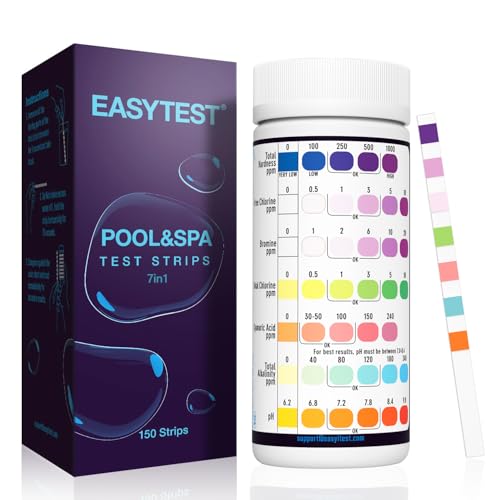
AFFORDABLE 150 STRIPS: This water chemical testing kit contains 150 test strips. Enough balanced for your swimming pool, hot tub, spa and other water testing. At least testing twice a week is recommended to keep your pool sparkling clean and safe.
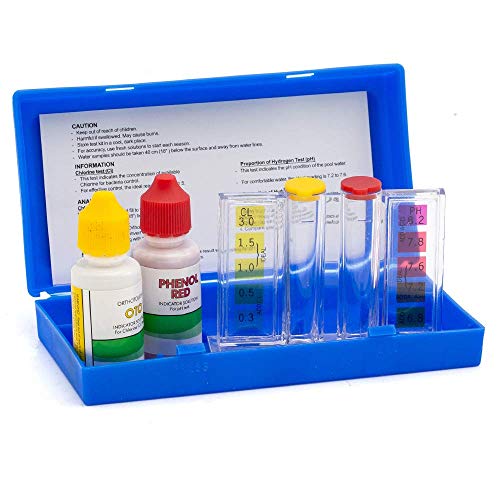
2 Way Pool Water Test Kit For Test For OTO, CL, and PH Level

LAB-TESTED FOR ACCURACY: Take the guesswork out of routine water checks with our lab-tested pool test strips. Compare the strip colors with the bottle chart to monitor water chemistry and help guide pool and spa maintenance.
Chlorine Impact on Eye Health
Chlorine is a common disinfectant used in swimming pools, but its effects on eye health can be concerning. Understanding how chlorine interacts with the eyes is crucial for swimmers who want to enjoy their time in the water while minimizing potential irritation or damage. This section explores the impact of chlorine on eye health and offers insights for safer swimming practices.
-
Chlorine Levels: High chlorine levels can cause redness and irritation.
-
pH Balance: An unbalanced pH can lead to discomfort and affect eye health.
-
Contaminants: Bacteria and other contaminants can pose risks for infections.
| Water Quality Factor | Recommended Level | Impact on Eyes |
|---|---|---|
| Chlorine | 1-3 ppm | Low irritation |
| pH | 7.2-7.8 | Optimal comfort |
| Total Alkalinity | 80-120 ppm | Prevents pH fluctuations |
Eye Irritation Symptoms in Pool Water
Being aware of symptoms can help you address issues before they escalate. Common signs of eye irritation from pool water include redness, itching, and tearing. If you experience these symptoms, it may be wise to avoid opening your eyes in the water.
Swimming Pool Eye Irritation Signs
Swimming pools can be a source of enjoyment, but they also pose risks to eye health. Understanding the signs of eye irritation caused by pool water is essential for maintaining comfort and safety while swimming. This section outlines the common symptoms to watch for, helping swimmers protect their vision during aquatic activities.
-
Redness: Indicates irritation or allergic reaction.
-
Itching: Suggests chemical sensitivity or infection.
-
Tearing: A natural response to irritation.
Eye Protection Strategies for Swimming
Swimming pools can pose various risks to eye health, from chlorine irritation to potential infections. Understanding effective eye protection strategies is essential for maintaining comfort and safety while enjoying aquatic activities. This section explores practical measures to safeguard your eyes in the water, ensuring a more enjoyable swimming experience.
Implementing safety measures can significantly reduce the risk of eye irritation. Wearing swimming goggles is one of the most effective ways to protect your eyes from chemicals and contaminants.
Recommended Products

Country Of Origin : China
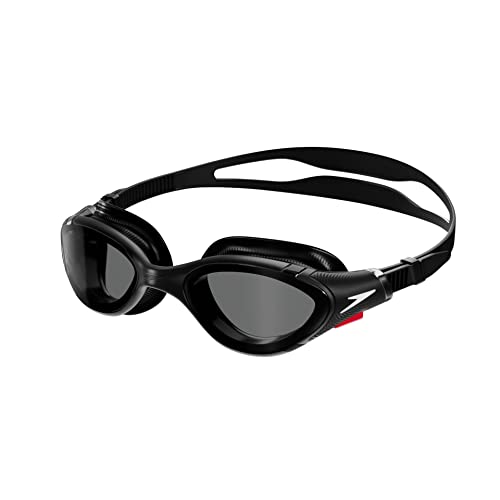
CUSHIONED COMFORT, ZERO DISTRACTIONS: Super-soft, latex-free unibody frame conforms to the contours of your face for a pressure-free adaptive fit that stays secure, no matter how long you swim.

[Super Clarity View Underwater] - ZIONOR swim goggles featured with UV400 protection lens, provides better eyes protection against harmful UVA and UVB rays, restore true color, and eliminate reflected light and scattered light, for indoor and outdoor swimming, surfing, kayaking and other water-related sports
Goggles for Eye Protection in Pools
Wearing goggles while swimming is essential for protecting your eyes from harmful chemicals and irritants commonly found in pool water. These specialized lenses not only shield your eyes from chlorine but also enhance visibility underwater, making your swimming experience safer and more enjoyable. Understanding the benefits of goggles can help you maintain better eye health while enjoying recreational activities.
-
Goggles: Choose a pair that fits snugly and provides a good seal.
-
Swim Caps: Help keep hair and debris out of your eyes.
-
Anti-fog Spray: Prevents fogging and improves visibility.
Assessing Personal Eye Sensitivity in Pools
Understanding individual eye sensitivity is crucial for ensuring safety and comfort while swimming. Factors such as existing eye conditions, contact lens use, and water quality can significantly impact how your eyes react to pool environments. This section will explore ways to assess your personal sensitivity and make informed decisions about swimming with your eyes open.
Individual sensitivity to pool water varies. Some people may experience discomfort even in well-maintained pools. Understanding your own sensitivity can guide your decisions about swimming with eyes open.
Sensitive Eye Irritation Factors in Pools
Swimming pools can be a source of irritation for sensitive eyes, often due to various factors present in the water. Understanding these irritants is crucial for maintaining eye health and ensuring a safe swimming experience. This section explores the common elements that contribute to eye discomfort in pool environments.
-
Previous Conditions: Conditions like dry eye syndrome can exacerbate irritation.
-
Allergies: Allergies to chlorine or other chemicals can increase sensitivity.
-
Contact Lenses: Wearing lenses can heighten the risk of irritation and infection.
Risks of Opening Eyes in Pools
Opening your eyes underwater in swimming pools can expose you to various risks that may affect your eye health. While many swimmers do it without immediate consequences, the presence of chemicals and microorganisms in pool water can lead to irritation, infections, and other complications. Understanding these risks is essential for maintaining both comfort and safety while enjoying your time in the water.
Opening your eyes in a swimming pool can lead to various risks, including infections and prolonged irritation. It’s essential to weigh these risks against the enjoyment of swimming without goggles.
Pool Water Infection Risks
Swimming pools can harbor various pathogens that pose risks to eye health. Understanding the potential for infections from pool water is crucial for anyone who enjoys swimming. This section explores the types of infections that can occur and the factors that contribute to these risks, ensuring you stay informed while enjoying the water.
-
Infections: Bacteria in pool water can lead to conjunctivitis.
-
Chemical Burns: High chlorine levels can cause chemical burns to the eyes.
-
Long-term Effects: Frequent exposure can lead to chronic irritation or damage.
Maintain Eye Health After Swimming
Swimming pools can be a source of both enjoyment and potential eye irritation. To ensure your eyes remain healthy after a swim, it’s essential to adopt specific practices that mitigate the risks associated with chlorine and other pool chemicals. Understanding how to care for your eyes post-swimming can help prevent discomfort and long-term damage.
Taking care of your eyes after swimming is crucial. Rinsing your eyes with clean water can help remove irritants. If irritation persists, consider using lubricating eye drops.
Eye Rinsing Techniques After Swimming
After swimming, rinsing your eyes can help alleviate discomfort caused by chlorine and other irritants in the water. Understanding effective eye rinsing techniques is essential for maintaining eye health and preventing irritation. This section explores various methods to properly rinse your eyes after a swim, ensuring your vision remains clear and comfortable.
-
Rinse Eyes: Use clean water to flush out irritants.
-
Use Eye Drops: Apply lubricating drops to relieve dryness.
-
Avoid Rubbing: Rubbing can worsen irritation and lead to infection.
Eye Safety Precautions for Swimming Pools
Swimming pools can be a source of enjoyment, but they also pose risks to eye health. Understanding the safety precautions necessary for protecting your eyes while swimming is essential. This section outlines key measures to help ensure a safe and enjoyable swimming experience.
Understanding the factors affecting eye safety in swimming pools can help you make informed decisions. Regularly check water quality, recognize symptoms, and take necessary precautions to protect your eyes.
Recommended Products

180° Panoramic Vision – Essential Pool & Beach Safety Gear: Wide-frame design offers 2x wider field of view for safer swimming and snorkeling in pools, open waters, and beaches. Prevents collisions in crowded areas. Adult-friendly fit (men, women, all face shapes) – a must-have for any water activity.

[Special Polarized Lens] - ZIONOR swim goggles featured with polarized lens, provides better eyes protection against harmful UV rays and lights, restore true color, eliminate reflected light and scattered light, for outdoor swimming, surfing, kayaking and other water related sports

PERFECT FOR BEGINNERS: Ideal for children starting their water journey, these kids' swim goggles offer a highly secure, leak-free design that builds confidence in the pool
