


Not showering after swimming in a chlorinated pool can lead to skin irritation and dryness. Chlorine is a powerful disinfectant that can strip the skin of its natural oils, making immediate cleansing essential for skin health.
Chlorine’s Impact on Skin Health
Swimming in chlorinated pools is a common activity, but many may not realize the potential effects of chlorine on skin health. Understanding how chlorine interacts with the skin can help swimmers make informed choices about their post-swim routines. This section delves into the specific impacts of chlorine and offers insights for maintaining healthy skin after a swim.
Chlorine is commonly used in swimming pools to eliminate harmful bacteria. While effective, it can also have negative effects on the skin.
Prolonged exposure without rinsing can lead to dryness, irritation, and even allergic reactions. Understanding these effects is crucial for maintaining skin health.
Recommended Products
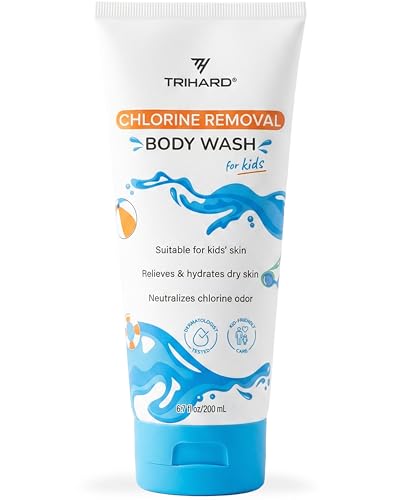
GENTLE FACE AND BODY WASH FOR AFTER THE POOL: Cleanses chlorine, saltwater and hard water residue off skin and takes the pool smell with it, mild enough to use on the face

CHLORINE NEUTRALIZING: Our new pre swim body cream protects skin from salt and chlorine. Apply before and after swimming in a pool or the ocean. Vitamin C neutralizes chlorine and beeswax forms a protective layer on the skin. Other ingredients provide extreme nourishment for dry skin, such as Jamaican Black Castor Oil, Cocoa Butter, Shea and more. Replenish and protect your skin while swimming anywhere at any-time in salt water too.
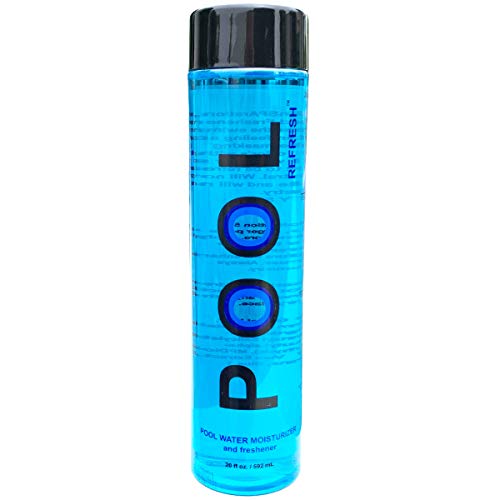
Includes a pool water moisturizer for your skin to combat the effects of chlorine and hard water dryness
Chlorine-Induced Skin Reactions and Solutions
Swimming in chlorinated water can lead to various skin reactions, from dryness to irritation. Understanding how chlorine affects the skin is crucial for maintaining skin health after a swim. This section explores common chlorine-induced skin issues and offers effective solutions to mitigate their impact.
Chlorine can cause various skin reactions, especially for sensitive individuals. The most common issues include:
-
Dryness: Chlorine removes natural oils, leading to flaky skin.
-
Irritation: Redness and itching may occur.
-
Allergic Reactions: Some individuals may experience rashes or hives.
-
Exacerbation of Existing Conditions: Conditions like eczema can worsen.
| Reaction Type | Description | Severity (1-5) |
|---|---|---|
| Dryness | Loss of moisture | 3 |
| Irritation | Redness and itching | 4 |
| Allergic Reaction | Rashes or hives | 5 |
| Eczema Flare-up | Worsening of symptoms | 4 |
Chlorine Removal and Skin Protection
Understanding how to effectively remove chlorine from your skin after swimming is crucial for maintaining healthy skin. Chlorine can strip away natural oils and lead to dryness or irritation, making it important to adopt proper post-swim care. This section explores effective methods for chlorine removal and offers tips for protecting your skin from potential damage.
Showering immediately after swimming helps remove chlorine and other chemicals from the skin. This step is vital for restoring moisture and preventing irritation. A quick rinse can significantly reduce the risk of skin issues.
Recommended Products
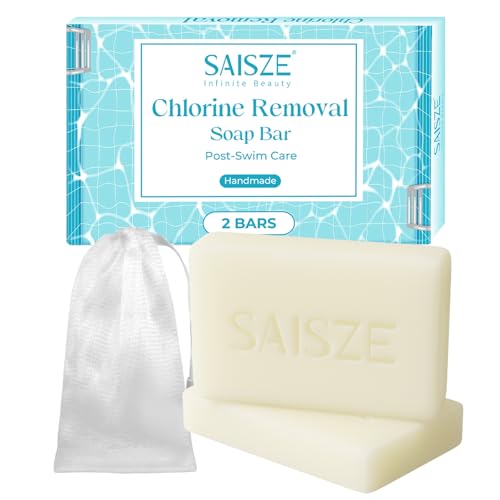
Deep cleaning of chlorine residues: designed specifically for swimming, effectively neutralizing and removing chlorine, salt, and chemicals from the pool, avoiding dry, itchy, or allergic skin, and leaving the skin refreshed immediately after swimming

After swim body wash: TRISWIM Body Wash helps wash away chlorine, bromine, saltwater, hard water minerals, sweat, and lingering pool odors after swimming or exercise.

More Than Soap After a Swim Day: Pool water, ocean salt, sunscreen, sweat, and outdoor buildup all cling to skin long after towel-off. This Sun & Swim kids body wash is made for that exact mess. A chlorine removal after-pool body wash that helps wash it all away so skin feels fresh, comfortable, and clean again.
Chlorine Removal Shower Techniques
After a refreshing swim, many people may wonder about the necessity of showering to remove chlorine from their skin. Understanding effective techniques for chlorine removal can help maintain skin health and prevent irritation. This section explores various methods to ensure you wash away chlorine effectively after swimming.
To effectively remove chlorine, follow these techniques:
-
Use Warm Water: Warm water opens pores and helps wash away chlorine.
-
Apply a Gentle Cleanser: Choose a sulfate-free body wash to avoid further irritation.
-
Rinse Thoroughly: Ensure all soap is washed off to prevent residue buildup.
-
Moisturize: Apply a hydrating lotion post-shower to lock in moisture.
Choose the Right Skin Care Products
Choosing the right skin care products is essential for maintaining healthy skin, especially after swimming in chlorinated water. The harsh chemicals in pool water can strip the skin of its natural oils, leading to dryness and irritation. Selecting appropriate products can help restore moisture and protect the skin from potential damage.
Selecting appropriate skin care products can mitigate chlorine’s effects. Look for items specifically designed for swimmers or those that focus on hydration.
Recommended Products
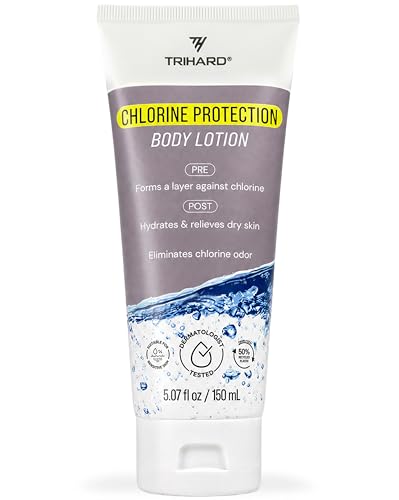
A LOTION YOU WEAR BEFORE THE POOL, NOT JUST AFTER: Applied to dry skin before you get in, it helps reduce how much chlorine and saltwater your skin absorbs; applied after, it puts moisture back into skin that feels tight

TWO BOTTLES FOR PEOPLE WHO SWIM CONSTANTLY: A lotion made to be worn before the swim to reduce chlorine absorption and again afterwards to rehydrate, in a two pack so one can live in the swim bag

COMPLETE POST-SWIM SKIN RECOVERY SOLUTION: This bundle combines a powerful chlorine removal body wash with a deeply hydrating after swim lotion to remove chlorine and restore moisture.
Post-Swim Skin Care Essentials
After a refreshing swim, it’s essential to consider how chlorine affects your skin. While many enjoy the water, the chemicals used for sanitation can lead to dryness and irritation. Understanding the best post-swim skin care practices can help maintain your skin’s health and mitigate any adverse effects from swimming.
Consider incorporating the following products into your routine:
-
Swimmer’s Shampoo: Formulated to remove chlorine and prevent buildup.
-
Hydrating Body Wash: Contains ingredients like aloe vera or coconut oil.
-
Moisturizing Lotion: Look for products with shea butter or glycerin.
-
After-Swim Spray: A leave-on product that helps neutralize chlorine.
Assessing Skin Health Post-Swimming
Swimming can be a refreshing activity, but it often raises questions about skin health, especially regarding chlorine exposure. Understanding the effects of chlorine on your skin and the importance of post-swim hygiene is essential for maintaining healthy skin. This section delves into the potential impacts of skipping a shower after swimming and offers insights into best practices for skin care.
Regularly assessing your skin condition can help identify any adverse reactions early. If you notice persistent dryness or irritation, consult a dermatologist for tailored advice.
Skin Reactions After Swimming in Chlorine
Swimming in chlorinated water can lead to various skin reactions, as the chemical is known to irritate and dry out the skin. Understanding these potential effects is crucial for anyone who spends time in pools, especially for those with sensitive skin or pre-existing conditions. This section explores the common skin reactions associated with chlorine exposure.
Be vigilant for these signs that may indicate a need for professional advice:
-
Persistent Redness: Lasting more than a few days.
-
Severe Itching: Interferes with daily activities.
-
Rashes: New or worsening skin conditions.
-
Dry Patches: Areas that remain rough despite moisturizing.
Post-Swimming Shower Importance for Skin Care
After swimming, especially in chlorinated pools, the importance of showering cannot be overstated. Chlorine and other chemicals can linger on the skin, potentially leading to irritation and dryness. Understanding the benefits of rinsing off can help maintain healthy skin and prevent adverse reactions.
To maintain skin health after swimming, make showering a non-negotiable part of your routine. This practice will help prevent chlorine-related skin issues and keep your skin hydrated.
Shower immediately after swimming to protect your skin from chlorine damage.
