


Looking at a total solar eclipse without proper protection can cause serious eye damage. To safely view an eclipse, use certified eclipse glasses or a solar viewer designed specifically for this purpose.
Eclipse Viewing Eye Safety Risks
Viewing a total solar eclipse without proper eye protection can lead to permanent vision damage. The intense sunlight can burn the retina, causing a condition known as solar retinopathy. This damage often occurs without any immediate pain, making it crucial to understand the risks involved in eclipse viewing.
Recommended Products
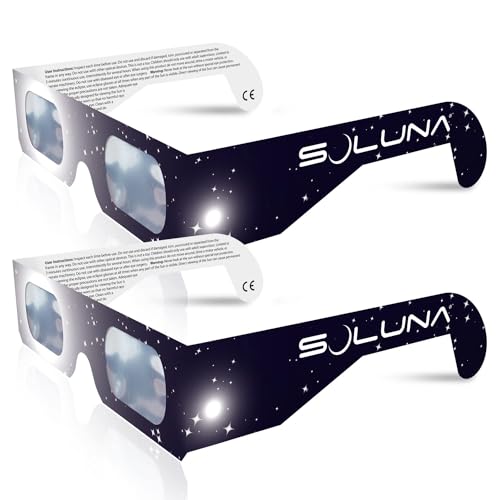
TRUSTED BY MILLIONS - Soluna Glasses are made in the USA by NASA-approved manufacturer American Paper Optics, and are recognized as ISO-compliant by the American Astronomical Society. Join the millions of eclipse chasers that trusted Soluna Eclipse Glasses for the 2017 Total Solar Eclipse.

🎯 𝐀𝐑𝐄 𝐘𝐎𝐔 𝐑𝐄𝐀𝐃𝐘?! If you're reading this, then congratulations: you are one of the smart ones planning ahead of the upcoming eclipse on 12 Aug 2026 that won't be scrambling when they're sold out everywhere. We respect that. As the saying goes: "the future belongs to those who prepare for it today
Eclipse Viewing Safety Gear Essentials
When observing a total solar eclipse, ensuring your vision safety is paramount. The right gear can protect your eyes from harmful rays while allowing you to enjoy this breathtaking celestial event. This section outlines the essential equipment you need for safe eclipse viewing.
Before attending an eclipse event, ensure you have the right safety gear. Proper equipment can protect your vision and enhance your experience. Here’s a checklist of essential items:
| Gear/Supply | Purpose |
|---|---|
| Certified eclipse glasses | Protects eyes from harmful rays |
| Solar viewer | Provides safe viewing options |
| Pinhole projector | Allows indirect viewing of the eclipse |
| Camera with solar filter | Captures images safely |
Safe Viewing Preparation for Eclipses
Preparing for a total solar eclipse requires careful attention to eye safety to prevent permanent damage. Understanding the right methods and tools for viewing can enhance the experience while protecting your vision. This section outlines essential steps to ensure a safe and enjoyable eclipse viewing.
Preparation is key to enjoying a total solar eclipse without risking your eyesight. Follow these steps to ensure a safe experience:
-
Purchase certified eclipse glasses or a solar viewer from reputable vendors.
-
Inspect your glasses for any damage before use.
-
Practice using a pinhole projector to understand how it works.
-
Plan your viewing location to avoid distractions and ensure a clear view of the sky.
Safe Viewing Techniques for Solar Eclipses
When observing a total solar eclipse, ensuring your vision safety is paramount. This section outlines effective techniques to protect your eyes while enjoying this breathtaking celestial event. By following these guidelines, you can experience the wonder of the eclipse without compromising your eyesight.
Executing safe viewing techniques during the eclipse is essential. Here are methods to ensure your eyes remain protected:
-
Use certified eclipse glasses at all times when looking directly at the sun.
-
Never look at the sun through regular sunglasses, cameras, or telescopes without proper filters.
-
Employ a pinhole projector to view the eclipse indirectly.
-
Monitor the eclipse progression and only remove glasses during totality, when the sun is completely obscured.
Eclipse Phases and Viewing Strategy
Understanding the phases of a total solar eclipse is crucial for safe viewing. Each stage presents unique visual experiences and potential hazards for your eyesight. This section outlines the different phases of an eclipse and offers strategies to enjoy the event while protecting your vision.
Knowing the phases of a solar eclipse helps in planning your viewing strategy. Here are the main phases:
-
Partial phase: Only a portion of the sun is obscured. Use glasses at all times.
-
Total phase: The sun is completely covered. It is safe to remove glasses only during this brief moment.
-
Re-emergence: As the sun starts to reappear, glasses must be worn again immediately.
Common Mistakes to Avoid
When preparing to view a total solar eclipse, many people unknowingly make mistakes that can jeopardize their vision. Understanding these common pitfalls is crucial for ensuring a safe and enjoyable experience. This section outlines the key errors to avoid, helping you protect your eyes while witnessing this awe-inspiring celestial event.
Avoiding common mistakes can prevent vision damage during an eclipse. Here are key pitfalls:
-
Using regular sunglasses instead of certified eclipse glasses.
-
Looking at the sun through unfiltered cameras or binoculars.
-
Ignoring warnings about the dangers of viewing the eclipse without protection.
Eclipse Viewing Safety Precautions
Viewing a total solar eclipse can be a breathtaking experience, but it also poses significant risks to your eyesight if proper precautions are not taken. Understanding the safety measures is crucial to ensure that you can enjoy this celestial event without compromising your vision. This section outlines essential precautions to keep your eyes protected during the eclipse.
Never attempt to view a solar eclipse without proper eye protection. The risks of permanent vision damage are too great.
Eclipse Safety Resources and Guidelines
When preparing to view a total solar eclipse, understanding safety measures is crucial to protect your vision. This section provides essential resources and guidelines to ensure a safe and enjoyable experience while observing this spectacular celestial event. Proper precautions can help you appreciate the beauty of the eclipse without risking your eyesight.
To further enhance your understanding and safety during an eclipse, consider these resources:
-
NASA offers guidelines and safety tips for viewing solar eclipses.
-
Local astronomy clubs often host safe viewing events with equipment available for public use.
-
Educational websites provide information on the science behind eclipses and safe viewing practices.
By following these guidelines and using the appropriate gear, you can safely enjoy the spectacular sight of a total solar eclipse without risking your vision.
