


Swimming with a tampon in is generally considered safe, provided you follow proper hygiene practices. Tampons are designed to absorb menstrual flow, and when used correctly, they do not pose a risk to your health while swimming.
Tampons and Pool Water Hygiene Considerations
Tampons are made to absorb fluids and can be used while swimming without significant concern. However, it is important to consider the hygiene of the pool water and the potential for bacteria. Pools are treated with chlorine, which helps kill harmful bacteria, but maintaining personal hygiene is crucial.
Recommended Products

Ideal Choice for Menstruation:This period swim wear can be used without disposable tampons, liners, and pads,enjoy great hygiene in your period and pee,which not only saves you money but also saves the environment.

Bulk Waterproof Period Pads for Swimming:You will receive an exquisitely packaged box of waterproof sanitary pads for swimming, with 10 individually wrapped pieces inside. This high-capacity gift set effectively protects your private area from irritation caused by pool water and seawater. It also solves the trouble of wanting to swim during menstruation, allowing you to freely enjoy the fun of swimming just like a fish.
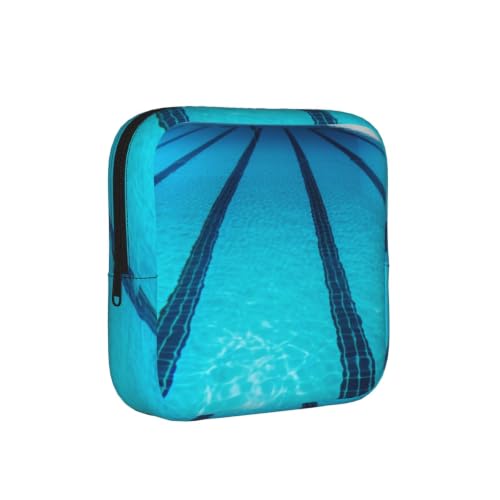
High Quality Material: Blue Swimming Pool Small period bags are make of thickened Polyester fabric, soft fabric, comfortable to touch,easy to clean,no fade.Thickened lining to increase thickness and firmness.Strong, smooth zipper makes it easy to place items safely
Swimming Risks with Tampons Explained
Swimming while using a tampon raises important health considerations. Understanding the potential risks associated with this practice can help ensure a safe and enjoyable experience in the water. This section delves into the specific concerns related to tampon use during swimming, providing essential insights for those who choose to swim while menstruating.
While swimming with a tampon is safe for most, there are a few risks to be aware of. These include:
-
Toxic Shock Syndrome: This rare but serious condition can occur from prolonged tampon use. Changing your tampon regularly reduces this risk.
-
Infection: If the tampon is not changed after swimming, it may increase the risk of vaginal infections.
-
Discomfort: Some individuals may experience discomfort if the tampon is not inserted properly or if it absorbs too much water.
Swimming Hygiene Guidelines for Tampon Use
Swimming while using a tampon raises important hygiene considerations that every swimmer should be aware of. Understanding the best practices for tampon use in aquatic environments can help ensure both personal comfort and overall pool cleanliness. Here are essential guidelines to follow for safe swimming with a tampon.
Maintaining good hygiene is essential for a safe swimming experience. Consider the following practices:
-
Shower Before Swimming: Rinse off before entering the pool to remove any bacteria from your body.
-
Change Tampons Regularly: Change your tampon before and after swimming to minimize the risk of infection.
-
Avoid Overly Long Swims: Limit your time in the water to reduce the risk of tampon saturation.
| Hygiene Practice | Importance Level | Recommended Frequency |
|---|---|---|
| Shower Before Swimming | High | Before every swim |
| Change Tampons | High | Every 4-8 hours |
| Limit Swim Duration | Medium | As needed |
Tampon Selection for Swimming Comfort
Choosing the right tampon is crucial for swimming comfort and hygiene. With various absorbencies and designs available, selecting one that suits your needs can enhance your experience in the water. Understanding these options will help ensure that you feel secure and confident while enjoying your swim.
Selecting the appropriate tampon can enhance comfort and safety while swimming. Consider these factors:
-
Absorbency Level: Choose a tampon with the right absorbency for your flow. Light or regular absorbency is often sufficient for swimming.
-
Applicator Type: Tampons with a smooth applicator can be easier to insert, providing a more comfortable fit.
-
Organic Options: Some brands offer organic tampons, which may be preferable for those with sensitive skin.
Swimming Alternatives to Tampons
For those seeking alternatives to tampons while swimming, various options can provide comfort and security. Whether you’re looking for absorbent swimwear or menstrual cups, these alternatives can help you enjoy your time in the water without concern. Understanding these choices can enhance your swimming experience during your period.
If you prefer not to use tampons while swimming, there are alternatives available. These include:
-
Menstrual Cups: These can be worn during swimming and provide a leak-proof seal.
-
Period Swimwear: Specially designed swimwear can absorb menstrual flow without the need for additional products.
-
Pads: While not ideal for swimming, some may choose to wear pads if they are comfortable in the water.
| Alternative Product | Pros | Cons |
|---|---|---|
| Menstrual Cups | Reusable, leak-proof | Requires practice to insert |
| Period Swimwear | Discreet, no extra products | May be more expensive |
| Pads | Easy to use | Can be bulky in water |
Swimming with Tampons: Safety and Comfort Tips
While it is safe to swim with a tampon in, personal comfort and hygiene should always be prioritized. If you experience any discomfort or unusual symptoms, consult a healthcare professional. Always ensure that you are using the right products for your body and activity level.
