


Driving without a tire air cap is generally unsafe. The absence of this small component can lead to air loss, affecting tire pressure and overall vehicle performance.
Tire Air Caps and Their Importance
Tire air caps, often overlooked, play a crucial role in maintaining tire health and safety. These small components help prevent air loss, protect the valve from dirt and debris, and ensure optimal tire pressure. Understanding their importance can help drivers make informed decisions about vehicle maintenance and safety.
Tire air caps, also known as valve caps, serve a crucial function in maintaining tire pressure. They prevent dirt, moisture, and debris from entering the valve stem, which can lead to air leaks.
Without a cap, the valve can become compromised, resulting in slow leaks or complete air loss. This can cause dangerous driving conditions, including blowouts or reduced traction.
Recommended Products

Tyre Valve Dust Caps: valve caps can protect valve against exposure to dirt and dust; Also can replace the original bad valve cap of the tyre

Air Caps Cover Car Tire Valve Stem Caps, , Universal for SUVs, Bike, Cars,tire valve caps
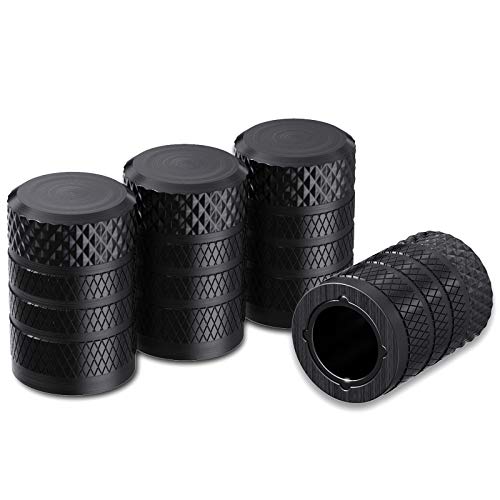
CKAuto 4 Pcs Aluminum Tire Valve Stem Caps , Universal Stem Covers for Cars, SUVs, Bike and Bicycle, Trucks, Motorcycles | TPMS Safe | Corrosion Resistant | Dust Proof
Consequences of Missing Tire Air Caps
Driving without a tire air cap can lead to several issues that jeopardize both safety and vehicle performance. The most immediate concern is air loss, which can affect handling and braking. Over time, this can lead to uneven tire wear and reduced fuel efficiency.
| Risk Factor | Description |
|---|---|
| Air Loss | Increases the likelihood of a flat tire. |
| Dirt Ingress | Contaminants can clog the valve, causing malfunction. |
| Moisture Exposure | Can lead to rust and corrosion inside the valve. |
| Uneven Wear | Affects tire lifespan and performance. |
Tire Valve Issue Warning Signs
Driving without a tire air cap can lead to various valve health issues that may compromise your safety on the road. Recognizing the warning signs associated with tire valve problems is crucial for maintaining optimal tire performance and ensuring a secure driving experience. This section outlines the key indicators to watch for that may signal potential tire valve issues.
Recognizing symptoms of valve issues early can prevent more significant problems down the line. If you notice any of the following, it may indicate that your tire valve is compromised due to the absence of a cap.
-
Frequent Low Tire Pressure: Regularly needing to inflate tires may indicate air loss.
-
Tire Vibration: Uneven pressure can cause vibration while driving.
-
Visible Dirt or Debris: Accumulation around the valve stem is a warning sign.
Step-by-Step Fix for Missing Tire Air Caps
Driving without a tire air cap may seem minor, but it can lead to significant issues, including air loss and dirt accumulation in the valve. This section provides a clear, step-by-step guide to address the problem of missing tire air caps, ensuring your tires remain in optimal condition for safe driving.
If you find yourself driving without a tire air cap, it’s essential to address the issue promptly. Follow these steps to ensure your tires remain in optimal condition.
-
Inspect All Tires: Check each tire for missing caps and signs of air loss.
-
Purchase Replacement Caps: Buy a set of universal tire air caps from an auto parts store.
-
Install New Caps: Securely twist the new caps onto each valve stem.
-
Check Tire Pressure: Use a tire pressure gauge to ensure each tire is properly inflated.
-
Monitor Regularly: Make it a habit to check tire pressure and valve caps periodically.
Tire Valve Cap Impact on Safety
Tire valve caps play a crucial role in maintaining tire pressure and overall vehicle safety. Without these caps, tires can lose air more rapidly, leading to potential handling issues and increased wear. Understanding the impact of driving without a tire air cap is essential for ensuring safe and efficient vehicle operation.
Regular tire maintenance is essential for vehicle safety and performance. This includes checking tire pressure, inspecting for wear, and ensuring that all components, including valve caps, are intact.
-
Tire Rotation: Rotate tires every 5,000 to 7,500 miles to promote even wear.
-
Visual Inspections: Regularly check for cracks, bulges, or other damage.
-
Pressure Checks: Conduct pressure checks at least once a month.
Durable Alternatives for Tire Air Caps
Exploring durable alternatives for tire air caps can provide drivers with reliable options that enhance valve health and safety. While standard caps serve a basic purpose, various materials and designs can offer improved protection against dirt and moisture, ensuring optimal tire performance. Understanding these alternatives can help drivers make informed choices for their vehicles.
If you frequently lose tire air caps, consider alternatives that offer enhanced durability. Some options include:
-
Locking Valve Caps: These require a key for removal, reducing the chance of theft.
-
TPMS-Compatible Caps: Designed to work with Tire Pressure Monitoring Systems for added functionality.
-
Custom Designs: Available in various styles, these can add a personal touch while still serving the primary function.
Tire Air Cap Safety Risks and Solutions
Driving without a tire air cap can lead to various safety risks, including potential tire damage and loss of air pressure. Understanding these risks and exploring effective solutions is crucial for maintaining tire health and ensuring safe driving conditions. This section delves into the implications of missing tire air caps and how to address the issue effectively.
Driving without tire air caps poses serious risks to vehicle safety and performance. Address any missing caps immediately to avoid complications.
