


Driving with squeaky brakes can indicate underlying issues that may compromise safety. Addressing this noise promptly is essential to prevent further damage and ensure reliable braking performance.
Brake Noise Diagnosis Table
Understanding the various sounds your brakes make can be crucial for diagnosing potential issues. The following table outlines common brake noises, their possible causes, and recommended actions. This guide will help you determine whether your squeaky brakes indicate a minor problem or a more serious safety concern.
| Symptom | Primary Suspect | Difficulty (1-5) |
|---|---|---|
| Squeaky brakes | Worn brake pads | 3 |
| Grinding noise | Damaged rotors | 4 |
| High-pitched squeal | Dust or debris buildup | 2 |
| Intermittent noise | Loose hardware | 3 |
Diagnosing Squeaky Brake Issues
Squeaky brakes can be more than just an annoying sound; they often signal underlying issues that need attention. Understanding the causes of brake noise is crucial for maintaining vehicle safety and performance. This section will guide you through the diagnostic process to identify and address the reasons behind those persistent squeaks.
Squeaky brakes can result from various factors, including worn components or environmental debris. Identifying the root cause is crucial for effective repair.
Ignoring these sounds can lead to more severe issues like rotor damage or compromised stopping power. Regular maintenance checks can help catch these problems early.
Brake Noise Contributing Factors
Understanding the factors that contribute to brake noise is essential for diagnosing potential issues with your vehicle’s braking system. Various elements, from worn components to environmental influences, can lead to squeaky brakes. Identifying these causes can help you address the problem effectively and ensure your safety on the road.
Several factors contribute to brake noise. Understanding these can help in diagnosing the issue accurately.
-
Worn Brake Pads: As brake pads wear down, they can produce a squeaking sound. This is often a sign that they need replacement.
-
Dust and Debris: Accumulation of dirt between the brake pad and rotor can cause noise. Regular cleaning can mitigate this.
-
Moisture: Rain or humidity can lead to temporary squeaking. This usually resolves itself after a few brake applications.
-
Glazed Pads or Rotors: Overheating can cause brake pads or rotors to glaze, resulting in a persistent squeak.
Step-by-Step Fix for Squeaky Brakes
Squeaky brakes can be more than just an annoying noise; they often signal underlying issues that require attention. This section provides a detailed, step-by-step guide to diagnosing and repairing squeaky brakes, ensuring your vehicle operates safely and smoothly. By following these instructions, you can address the problem effectively and restore peace of mind while driving.
Addressing squeaky brakes involves several steps. Following this guide can help ensure effective resolution.
-
Inspect Brake Components
Check the brake pads, rotors, and hardware for wear or damage. Look for uneven wear patterns. -
Clean Brake Assembly
Use a brake cleaner to remove dust and debris from the brake pads and rotors. Ensure all surfaces are clean. -
Replace Worn Parts
If the brake pads are worn down, replace them with high-quality replacements. Consider upgrading to ceramic pads for quieter operation. -
Lubricate Hardware
Apply brake lubricant to the brake hardware to reduce noise. Focus on areas where metal contacts metal. -
Test Drive
After repairs, take the vehicle for a test drive. Listen for any remaining noises and ensure the brakes function correctly.
Recommended Products

[PLATFORM SPECIFIC FRICTION MATERIAL} - Bosch Blue offers advanced, platform specific Ceramic friction material formulations for optimal stopping power, reduced brake fade, and long-lasting performance

- Replacement Brake Pads for several Tektro Disc Brakes.

Complete Set: Package includes 8 bike brake pads (4 pairs), 4 spring plates, and 4 cotter pins for multiple replacements. Everything you need for full brake maintenance is included in one kit
Brake Noise Safety Implications and Inspection
Squeaky brakes can signal various underlying issues that may compromise vehicle safety. Understanding the implications of brake noise is crucial for drivers who want to ensure their vehicle operates reliably. This section explores the potential safety risks associated with brake noise and emphasizes the importance of timely inspection and maintenance.
Ignoring squeaky brakes can lead to serious safety risks. A compromised braking system can increase stopping distances and reduce control. Regular inspections can prevent accidents and costly repairs.
Recommended Products

Ideal All In One Tool - Perfect for Drivers and Owner Operators

Engage brake spring in tool head

【Precision Measurement】: Equipped with a meticulously crafted and evenly marked scale, this tool provides highly accurate readings of the thickness of your brake pad down to the millimeter. Thus, you can monitor brake wear proactively, ensuring timely replacements that avoid potential brake failure.
Brake Performance Enhancement Strategies
When dealing with squeaky brakes, understanding how to enhance brake performance is crucial for both safety and comfort. This section explores effective strategies to address brake noise and improve overall functionality, ensuring your vehicle operates smoothly and securely. Implementing these techniques can help prevent further issues and extend the lifespan of your braking system.
To maintain brake performance and minimize noise, consider the following tips:
-
Regular Inspections: Schedule routine brake inspections every 12,000 miles or as recommended.
-
Quality Parts: Use high-quality brake pads and rotors to enhance performance and reduce noise.
-
Driving Habits: Avoid aggressive driving and sudden stops. Smooth driving can extend the life of brake components.
-
Environmental Factors: If driving in dusty or wet conditions, perform more frequent brake checks.
Professional Brake Inspection Recommendations
When dealing with squeaky brakes, it’s essential to understand the importance of a professional inspection. This section outlines key recommendations for evaluating brake noise and ensuring safety on the road. By following these guidelines, you can better assess the condition of your braking system and determine the necessary steps for repair.
If squeaky brakes persist after performing maintenance, consult a professional. A certified technician can diagnose complex issues that may not be visible during a standard inspection. This can include problems with the brake calipers or hydraulic system.
Brake Maintenance and Repair Guidelines
Understanding brake maintenance and repair is crucial for ensuring vehicle safety and performance. Squeaky brakes often signal underlying issues that require attention. This section outlines essential guidelines for diagnosing brake noise and implementing effective repair strategies to keep your vehicle in optimal condition.
Addressing squeaky brakes is crucial for safety and performance. Regular maintenance and timely repairs can prevent further damage. Always prioritize brake health to ensure safe driving experiences.
Recommended Products
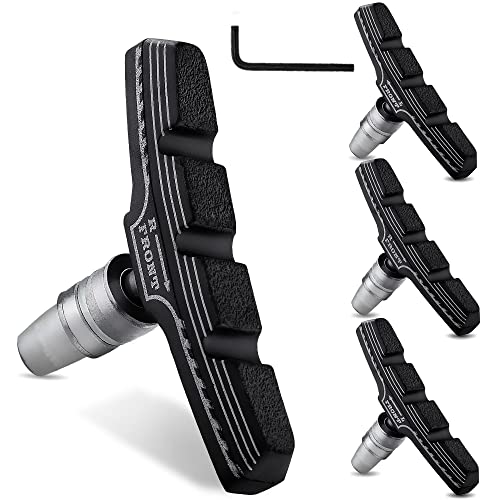
【HARD-WEARING MATERIAL】 The brake pads are made of hyathetic fiber and nitrile rubber, they have supreme durable and long-lasting than ordinary rubber. brake is a safety issue related to life, please do not use poor quality brake pads.

PLEASE CONFIRM YOUR FITMENT: Using the Amazon Confirmed Fit bar at the top of the page or check the Product Description to confirm your vehicle fitment. This may be delivered in multiple boxes

COMPATIBLE VEHICLES : 2005-2012 for Ford for Escape,2005 2006 2008-2010 for Mazda for Tribute,2005-2011 for Mercury for Mariner Ceramic Disc Brake Pad Kit for ATD1047C,D1047-7950
