


Driving with an engine misfire is not safe and can lead to severe engine damage or accidents. It’s crucial to address this issue promptly to ensure vehicle reliability and safety on the road.
Engine Misfire Warning Signs and Effects
Recognizing the warning signs of an engine misfire is crucial for maintaining vehicle reliability and safety. Misfires can lead to a range of issues, from decreased performance to potential engine damage. Understanding these symptoms can help drivers make informed decisions and avoid dangerous situations on the road.
An engine misfire occurs when one or more cylinders fail to ignite properly. This can manifest in various ways, including rough idling, decreased power, or unusual vibrations.
Recognizing these symptoms early can prevent further damage and enhance safety. Here are common signs to watch for:
| Symptom | Primary Suspect | Difficulty 1-5 |
|---|---|---|
| Rough idling | Spark plug issue | 2 |
| Loss of power | Fuel injector failure | 3 |
| Engine shaking | Ignition coil failure | 4 |
| Check engine light | Various causes | 1 |
Root Causes of Engine Misfire Issues
Understanding the root causes of engine misfire issues is crucial for maintaining vehicle reliability and safety. Misfires can stem from various factors, including fuel delivery problems, ignition system failures, or mechanical issues. Identifying these underlying causes can help drivers make informed decisions about repairs and prevent further complications on the road.
Understanding the root causes of an engine misfire is essential for effective troubleshooting. Common culprits include faulty spark plugs, defective ignition coils, and clogged fuel injectors.
Each of these components plays a vital role in engine performance. Ignoring any of these issues can lead to more significant problems.
-
Spark plugs wear out over time and can cause misfires.
-
Ignition coils can fail, leading to weak or no spark.
-
Fuel injectors may become clogged, affecting fuel delivery.
Step-by-Step Fix for Engine Misfire
An engine misfire can lead to significant performance issues and safety risks while driving. Addressing this problem promptly is crucial for maintaining vehicle reliability and ensuring safe operation on the road. The following steps provide a comprehensive guide to diagnosing and fixing engine misfires effectively.
If you suspect an engine misfire, follow these steps to diagnose and fix the issue. This methodical approach ensures that you address the problem effectively.
-
Check the diagnostic codes using an OBD-II scanner. This will help identify the specific cylinder misfiring.
-
Inspect spark plugs for wear or damage. Replace any that are worn out.
-
Test ignition coils for functionality. Replace any faulty coils.
-
Clean or replace fuel injectors if they are clogged. This can improve fuel delivery and engine performance.
Recommended Products

CEL Doctor: The ANCEL AD310 is one of the best-selling OBD II scanners on the market and is recommended by Scotty Kilmer, a YouTuber and auto mechanic. It can easily determine the cause of the check engine light coming on. After repairing the vehicle's problems, it can quickly read and clear diagnostic trouble codes of emission system, read live data & hard memory data, view freeze frame, I/M monitor readiness and collect vehicle information

【Diagnose Check Engine Light in Seconds – No Mechanic Needed】The FOXWELL NT301 OBD2 scanner instantly reads & clears engine fault codes (DTCs) with one click. Simply plug into the 16-pin DLC port, turn ignition on, and get accurate results within seconds—No prior car knowledge required. Save hundreds on dealership fees by knowing exactly what’s wrong before you visit a shop. The #1 choice car scanner for DIYers and car owners who want to take control of their vehicle’s health

Understand Your Check Engine Light – The ANCEL AD410 OBD2 scanner helps everyday drivers quickly read and clear engine-related fault codes, view code definitions, and understand why the check engine light is on before visiting a repair shop. With 42,000+ built-in DTC lookups, this car code reader helps reduce guesswork and makes basic vehicle diagnostics easier for beginners and DIY users
Driving Safely with Engine Misfire Risks
Driving with an engine misfire can pose significant risks, affecting both vehicle performance and safety on the road. Understanding the implications of a misfire and recognizing the warning signs can help drivers make informed decisions. This section explores the potential dangers and offers practical tips for navigating these situations safely.
Driving with an engine misfire can pose serious safety risks. It can lead to loss of control or unexpected breakdowns. If you must drive with a misfire, take the following precautions:
-
Limit speed to maintain control.
-
Avoid heavy acceleration to reduce strain on the engine.
-
Monitor warning lights closely to address new issues promptly.
Recommended Products
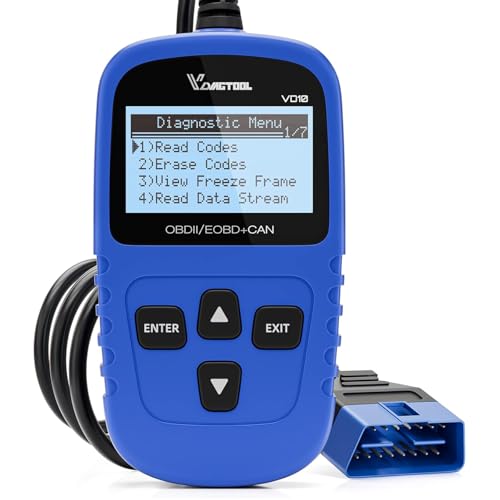
【A MUST-HAVE SCANNER TOOL FOR DIYERS】 - VDIAGTOOL VD10 car code reader is an incredibly useful, handheld obd2 scanner for each car owner or hobbyist, even for those with little to no experience when it comes to vehicle mechanics! Similar to a fixd car diagnostic tool, using this car diagnostic scanner is extremely easy. All you have to do is attach it to your car OBDII port and you can diagnose car problems in seconds! Read Codes (DTCs); Clear Codes; Live Data; View Freeze Frame; I/M Readiness; Vehicle Information.

[Easy to Use—Work Out of the Box] + [FOXWELL 2026 New Version] FOXWELL NT604 Elite scan tool is the 2026 new version from FOXWELL, designed for car owners who want to figure out the cause of issues before fixing car problems by scanning common systems like ABS, SRS, engine, and transmission. The NT604 Elite obd2 scanner diagnostic tool comes with the latest software—no need to waste time downloading software first. Plug the scanner into the OBDII port with OBDII cable to start the diagnosis.

Multi-Functions - Practical Multi-Functions OBD2 code reader features built-in OBD2 DTC lookup library, which help you to determine the cause of the engine light, read code, erase code, view freeze frame, I/M ready, vehicle information, data flow, real-time curve, get vehicle speed information, calculate load value, engine coolant temperature, get engine speed.
Engine Maintenance for Long-Term Reliability
Maintaining your engine is crucial for ensuring long-term reliability and performance. Regular upkeep not only helps prevent issues like misfires but also enhances the overall safety of your vehicle. Understanding key maintenance practices can keep your engine running smoothly and extend its lifespan, making your driving experience safer and more dependable.
To maintain long-term reliability and prevent engine misfires, consider these best practices. Regular maintenance can significantly reduce the likelihood of misfires and enhance vehicle performance.
-
Schedule regular tune-ups to replace spark plugs and inspect ignition components.
-
Use high-quality fuel to prevent injector clogging.
-
Keep the engine clean to avoid buildup that can lead to misfires.
Professional Mechanic Consultation for Misfires
If you have attempted basic fixes and the misfire persists, it’s time to consult a professional mechanic. Ignoring persistent misfires can lead to extensive engine damage. A professional can conduct a thorough diagnostic to pinpoint the issue and recommend appropriate repairs.
Seek immediate assistance if you experience severe symptoms.
Recommended Products

OBD Code Reader & Battery Tester - the Practical Multi-Functions OBD2 code reader features built-in OBD2 DTC lookup library, which help you to determine the cause of the engine light, read code, erase code, view freeze frame, I/M ready, vehicle information, data flow, real-time curve, get vehicle speed information, calculate load value, engine coolant temperature, get engine speed. You can use it to check fault codes by yourself and display code definitions, understand the health of the vehicle, be fully prepared for going to the auto repair shop for car maintenance.

[Powerful OBD2 Diagnostic Scanner] The KONNWEI KW340 is a professional-grade OBDII diagnostic tool that quickly reads and clears error codes to turn off the check engine light. It supports all OBD2 protocols, making it a universal car diagnostic scanner for accurate engine fault diagnosis.
