


Driving with the coolant light on is not safe and can lead to serious engine damage. Immediate action is necessary to prevent overheating and potential engine failure.
Coolant Light Warning Implications and Actions
The coolant light indicates that the engine temperature is rising or that the coolant level is low. Ignoring this warning can result in severe engine damage, including a blown head gasket or complete engine failure. Drivers should take this warning seriously and address it promptly.
Coolant Light Diagnostic Symptoms
When the coolant light illuminates on your dashboard, it signals a potential issue that could lead to engine overheating. Understanding the diagnostic symptoms associated with this warning can help you assess the situation more effectively. Recognizing these signs early on is crucial for maintaining your vehicle’s health and ensuring safe driving conditions.
| Symptom | Primary Suspect | Difficulty (1-5) |
|---|---|---|
| Coolant light on | Low coolant level | 2 |
| Engine overheating | Faulty thermostat | 3 |
| Steam from engine | Leaking hoses | 4 |
| Engine misfire | Air in the cooling system | 3 |
Coolant Light Activation Triggers
Understanding the triggers for coolant light activation is essential for any driver concerned about vehicle safety and performance. This section delves into the common causes behind the coolant warning light, helping you identify potential issues before they lead to overheating or more serious engine damage. Knowing these triggers can empower you to take timely action and maintain your vehicle’s health.
Several factors can cause the coolant light to activate. Understanding these root causes can help in taking the right actions.
-
Low Coolant Level: This is the most common cause. Check the coolant reservoir for adequate fluid.
-
Faulty Thermostat: A stuck thermostat can prevent coolant circulation.
-
Leaking Hoses: Inspect hoses for cracks or leaks that can lead to coolant loss.
-
Water Pump Failure: A malfunctioning water pump can disrupt coolant flow.
Step-by-Step Fix for Coolant Issues
When the coolant light illuminates on your dashboard, it signals a potential issue that could lead to overheating. Understanding how to address this problem is crucial for maintaining your vehicle’s health. The following step-by-step guide will help you identify and resolve coolant issues effectively, ensuring your car runs smoothly and safely.
-
Check Coolant Level: Open the hood and inspect the coolant reservoir. If it’s low, add a compatible coolant.
-
Inspect for Leaks: Look for signs of leaks around hoses and the radiator. Replace any damaged components.
-
Test the Thermostat: If the engine overheats, remove the thermostat and test it in hot water to see if it opens.
-
Examine the Water Pump: Listen for unusual noises. If the pump is faulty, replace it immediately.
Effective Engine Temperature Monitoring Techniques
Monitoring engine temperature is crucial for vehicle safety and performance, especially when the coolant light is illuminated. Understanding effective techniques can help drivers prevent overheating and potential engine damage. This section explores various methods to keep track of engine temperature and ensure your vehicle operates smoothly.
Keeping an eye on engine temperature is crucial for preventing overheating. Use the following methods to monitor effectively.
-
Dashboard Gauge: Regularly check the temperature gauge while driving.
-
OBD-II Scanner: Use a scanner to monitor real-time engine temperature data.
-
Temperature Warning Light: Be aware of any additional warning lights that may indicate overheating.
Recommended Products

Professional, premium aftermarket replacement

100% factory resistance calibrated to ensure precision tolerances, resulting in extremely accurate temperature for optimal performance

Fits Buick Century 1985-2005, Electra 1985-1990, LaCrosse 2005-2009, LeSabre 1985-2005, Lucerne 2006-2011, Park Avenue 1991-2005, Rainier 2004-2007, Reatta 1988-1991, Regal 1985-2004, Rendezvous 2002-2005, Riviera 1984-1999, Roadmaster 1991-1996, Skyhawk 1985-1989, Skylark 1985-1998, Somerset 1986-1987, Somerset Regal 1985
Coolant Maintenance Best Practices
Maintaining your vehicle’s coolant system is essential for preventing overheating and ensuring optimal engine performance. Understanding best practices for coolant maintenance can help you avoid costly repairs and keep your car running smoothly. Here are key strategies to effectively manage your coolant levels and system health.
Regular maintenance can prevent coolant-related issues. Follow these steps for effective management.
-
Routine Checks: Inspect coolant levels monthly.
-
Flush Cooling System: Perform a coolant flush every two years to remove debris.
-
Use Quality Coolant: Always use manufacturer-recommended coolant to ensure compatibility.
Coolant Light Driving Safety Tips
Driving with the coolant light illuminated can signal potential engine overheating, making it crucial to understand the associated risks. This section outlines essential safety tips for navigating this situation, helping drivers make informed decisions to protect both their vehicle and themselves on the road. Knowing how to respond can prevent further damage and ensure a safer driving experience.
Driving with the coolant light on can lead to dangerous situations. Here are some tips to ensure safety.
-
Pull Over Immediately: If the coolant light comes on, pull over as soon as it is safe.
-
Allow Engine to Cool: Wait for the engine to cool before opening the hood to check coolant levels.
-
Avoid Heavy Loads: Reduce the load on your vehicle until the issue is resolved.
Recommended Products

【Vehicle Fitment】 This electric water pump fits Toyota Camry Hybrid 2012-2017 2.5L, Toyota Avalon Hybrid 2013-2018 2.5L, Lexus ES300h 2013-2018 2.5L; replaces OE#161A0-39025; confirm fitment before purchase.Water Pump
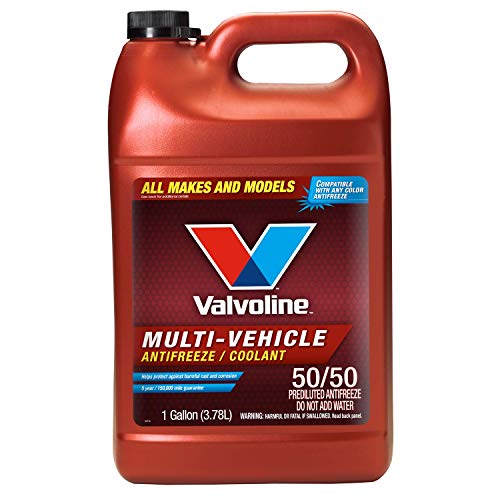
Contains Alugard Plus for compatibility with all ethylene glycol-based coolants in automobiles and light duty trucks

Single Quantity
Coolant Light Ignorance Risks
Ignoring the coolant light can lead to serious risks for your vehicle and your safety. When this warning illuminates on your dashboard, it signals potential overheating issues that, if left unaddressed, could cause significant engine damage. Understanding the implications of this warning is crucial for maintaining your vehicle’s health and preventing costly repairs.
Ignoring the coolant light can lead to catastrophic engine failure. Address the issue immediately.
Immediate Steps to Address Coolant Warning
When the coolant light illuminates on your dashboard, it signals a potential overheating issue that requires immediate attention. Taking swift action can prevent engine damage and ensure your vehicle remains safe to drive. Here are the essential steps to address the coolant warning effectively.
If the coolant light activates, take immediate action to prevent overheating. Check coolant levels, inspect for leaks, and monitor engine temperature closely. Regular maintenance can significantly reduce the risk of coolant-related issues.
