


Driving with a shaking steering wheel is not safe and often indicates an underlying issue that requires immediate attention. Common causes include tire imbalance, worn components, or alignment problems. Addressing these issues promptly can prevent further damage and ensure safe driving.
Steering Wheel Shake Symptoms and Diagnosis
Experiencing a shaking steering wheel can be alarming and may indicate underlying issues with your vehicle. Understanding the symptoms associated with this problem is crucial for diagnosing the cause effectively. This section will explore common signs of steering wheel shake and provide guidance on how to identify potential mechanical or alignment issues.
A shaking steering wheel can manifest in various ways. Understanding these symptoms is crucial for accurate diagnosis. Common indicators include:
-
Vibration felt through the steering wheel at certain speeds
-
Pulling to one side while driving
-
Noise accompanying the shake, such as grinding or clunking
-
Difficulty in steering or maintaining control
Recognizing these symptoms early can help in pinpointing the root cause.
Steering Wheel Vibration Diagnosis Chart
A shaking steering wheel can signal various underlying issues that may affect your vehicle’s safety and performance. Understanding the potential causes is crucial for effective diagnosis and timely repairs. The following chart provides a detailed overview of common reasons for steering wheel vibrations and guidance on how to address them.
| Symptom | Primary Suspect | Difficulty (1-5) |
|---|---|---|
| Vibration at speed | Tire imbalance | 2 |
| Pulling to one side | Misalignment | 3 |
| Grinding noise | Worn components | 4 |
| Difficulty steering | Power steering issue | 5 |
Tire Inspection for Steering Stability
A shaking steering wheel can indicate underlying issues that compromise driving safety. One of the primary culprits is often related to tire problems, which can affect steering stability and overall vehicle performance. This section will guide you through the essential steps for inspecting your tires to ensure a smoother and safer driving experience.
Tires play a significant role in steering stability. If your steering wheel shakes, start by inspecting your tires. Check for:
-
Uneven wear patterns
-
Low tire pressure
-
Damaged sidewalls or tread
Balancing your tires can often resolve vibrations. If wear patterns are uneven, consider rotating or replacing your tires to ensure even contact with the road.
Recommended Products
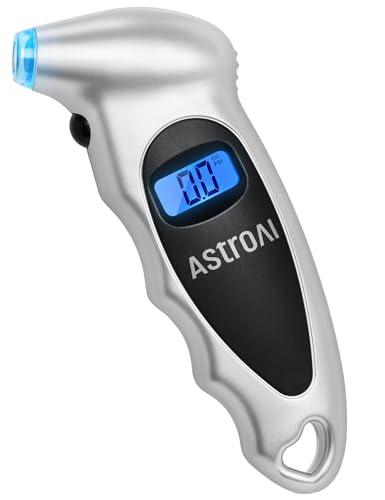
Accurate, Dependable Readings: Factory‑calibrated to ±1 PSI, so you can confidently match your vehicle’s recommended PSI (check the door jamb sticker). Ideal for monthly checks and road trips — consistent results every time, cold or warm.

RUGGED DESIGN: The stainless steel components prevent rust and corrosion while the precision-crafted nozzle seamlessly seals onto the valve stems for highly accurate readings (±2% span). We also provide 4 valve stem caps for convenient replacement.

Enhanced Visibility in Low Light: Features a green backlit LCD screen and integrated flashlight, allowing for clear reading of tire pressure even in dark or dimly light conditions.
Tire Pressure Check for Safety
Maintaining proper tire pressure is crucial for safe driving, especially when experiencing a shaking steering wheel. Under-inflated or over-inflated tires can lead to uneven wear and compromised handling, exacerbating any vibrations. This section will guide you through checking your tire pressure to ensure optimal performance and safety on the road.
-
Check tire pressure using a reliable gauge.
-
Inspect tread depth with a tread depth gauge.
-
Balance tires at a service center if vibrations persist.
Suspension Component Inspection for Steering Issues
A shaking steering wheel can signal underlying issues with your vehicle’s suspension components. Identifying and addressing these problems is crucial for both safety and performance. This section will guide you through the inspection process, helping you determine whether your suspension is contributing to the shaking and what steps to take next.
Worn suspension components can lead to steering wheel shake. Key areas to inspect include:
-
Ball joints
-
Tie rods
-
Shock absorbers
These parts are essential for maintaining proper alignment and stability. If any components show signs of wear or damage, replace them immediately to restore safe handling.
Steering Wheel Vibration Inspection Steps
Experiencing a shaking steering wheel can be alarming and may indicate underlying issues with your vehicle. Understanding how to properly inspect the steering wheel vibrations is crucial for diagnosing potential problems. This section outlines the essential steps to identify the cause of the shaking and ensure your safety on the road.
-
Visual inspection for cracks or wear
-
Check for play in ball joints and tie rods
-
Test shock absorbers for leaks or damage
Steering System Component Assessment
A shaking steering wheel can indicate underlying issues within your vehicle’s steering system. Understanding the various components involved is essential for diagnosing the problem accurately. This section will guide you through the key elements of the steering system that may contribute to this unsettling experience while driving.
The steering system is vital for control. A malfunction here can cause significant issues. Focus on these components:
-
Power steering fluid level
-
Steering rack condition
-
Belt tension
Low fluid levels or a damaged steering rack can lead to shaking. Regular maintenance of the steering system is essential for safe driving.
Recommended Products

REDUCES NOISE AND SMOOTHES OUT HARD STEERING: A unique dual cavity bottle containing a combination of the best performance additives to repair the most common power steering fluid related problems.

Engineered Stop Leak Protection: Specially formulated to condition and rejuvenate worn seals, helping stop existing leaks and preventing future fluid loss for smoother steering performance

Formulated with a blend of special oils and petroleum-extracted additives
Power Steering Fluid Inspection Guide
When experiencing a shaking steering wheel, one potential culprit could be low or contaminated power steering fluid. This guide will help you understand how to inspect your power steering fluid effectively, ensuring that your vehicle’s steering system operates smoothly and safely. Proper maintenance of this fluid is crucial for both performance and safety on the road.
-
Check power steering fluid level and top off if necessary.
-
Inspect the steering rack for leaks or damage.
-
Tighten or replace the steering belt if it appears loose.
Identifying Steering Wheel Misalignment Signs
A shaking steering wheel can signal various issues, including misalignment, which can compromise your vehicle’s safety and handling. Understanding the signs of steering wheel misalignment is crucial for timely diagnosis and repair. This section will help you recognize the indicators that suggest your steering system may need attention.
Misalignment can cause the steering wheel to shake and lead to uneven tire wear. Signs of misalignment include:
-
Steering wheel off-center
-
Uneven tire wear
-
Vehicle pulling to one side
If you notice these symptoms, it’s crucial to have your vehicle aligned by a professional.
Wheel Alignment Service Recommendations
Proper wheel alignment is crucial for vehicle safety and performance, especially when dealing with a shaking steering wheel. Misalignment can lead to uneven tire wear, compromised handling, and increased strain on suspension components. This section outlines essential recommendations for wheel alignment services to help ensure a smoother, safer driving experience.
-
Visit a professional for a wheel alignment.
-
Inspect suspension components before alignment.
-
Test drive after alignment to ensure resolution.
Shaking Steering Wheel Safety Risks
Driving with a shaking steering wheel can pose significant safety risks, often indicating underlying mechanical issues. Understanding these risks is crucial for maintaining control of your vehicle and ensuring your safety on the road. This section explores the potential dangers associated with a shaking steering wheel and highlights the importance of timely diagnosis and repair.
Do not ignore a shaking steering wheel. It can indicate serious issues that compromise your safety on the road. Addressing these problems promptly can prevent accidents and costly repairs.
Shaking Steering Wheel Inspection Steps
If you experience a shaking steering wheel, conduct a thorough inspection of tires, suspension components, and the steering system. Regular maintenance is key to ensuring a safe driving experience. If necessary, consult a professional mechanic for a detailed diagnosis and repair.
