


Driving with a broken catalytic converter is not safe and can lead to significant vehicle damage and environmental issues. The risks include reduced engine performance, increased emissions, and potential legal penalties.
Catalytic Converter Emission Impact Explained
A catalytic converter is crucial for reducing harmful emissions from your vehicle’s exhaust system. It converts toxic gases into less harmful substances before they exit the exhaust. If this component is damaged, it can lead to various issues that affect both vehicle performance and compliance with environmental regulations.
Recommended Products
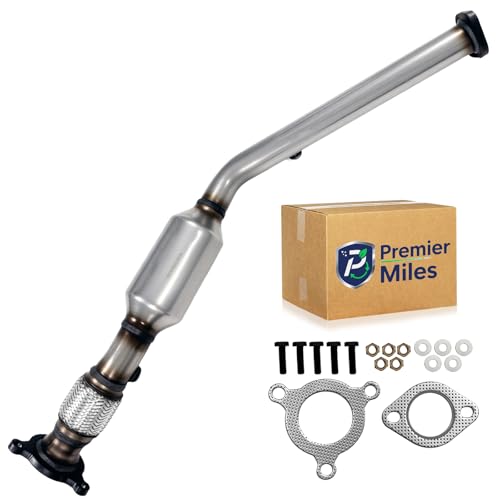
【Vehicle Compatibility】Specifically engineered for Chevrolet Cobalt 2005 2006 2007, Chevrolet HHR 2006 2007 2.2L

COMPATIBILITY – Fits 2012-2015 Ram C/V; 2011-2016 Chrysler Town & Country; 2011-2017 Chrysler 200; 2011-2014 Dodge Avenger; 2011-2019 Dodge Grand Caravan; 2011-2019 Dodge Journey; 2011-2014 Volkswagen Routan

【Replacement Part Number】140E2-3TA0A, 140E2 3TA0A, 140E23TA0A, 56385254NA, 56385254, 8H43236.
Signs of a Failing Catalytic Converter
A failing catalytic converter can lead to significant performance issues in your vehicle, affecting both safety and efficiency. Recognizing the signs of a malfunctioning converter is crucial for timely repairs and maintaining optimal engine function. This section outlines key indicators that may suggest your catalytic converter is on the verge of failure.
Identifying a broken catalytic converter early can prevent further damage. Here are some signs to look for:
| Symptom | Primary Suspect | Difficulty (1-5) |
|---|---|---|
| Reduced engine power | Clogged converter | 3 |
| Check engine light | Sensor malfunction | 2 |
| Unusual exhaust noise | Internal damage | 4 |
| Failed emissions test | Ineffective conversion | 5 |
Driving Risks from a Broken Catalytic Converter
Driving with a broken catalytic converter can pose significant risks to both your vehicle and your safety. The malfunction can lead to increased emissions, reduced engine performance, and potential damage to other components. Understanding these risks is crucial for making informed decisions about vehicle maintenance and safety on the road.
Driving with a compromised catalytic converter poses several risks. These include:
-
Engine damage: A malfunctioning converter can cause back pressure, leading to engine strain and potential failure.
-
Increased emissions: A broken converter fails to filter out pollutants, contributing to environmental harm.
-
Legal consequences: Many regions impose fines for vehicles that do not meet emissions standards.
Engine Overheating Risks from Back Pressure
Driving with a broken catalytic converter can lead to significant engine overheating due to increased back pressure. This condition can strain the engine, potentially causing severe damage if not addressed promptly. Understanding the risks associated with back pressure is crucial for maintaining vehicle performance and safety.
Excessive back pressure from a damaged catalytic converter can lead to engine overheating and decreased efficiency. This may manifest as:
-
Poor acceleration
-
Stalling
-
Increased fuel consumption
Ignoring these symptoms can escalate repair costs significantly.
Legal Risks of Driving with a Faulty Catalytic Converter
Driving a vehicle with a broken catalytic converter can lead to legal repercussions. Many jurisdictions require vehicles to pass emissions tests. If your vehicle fails, you may face fines or be required to repair the issue before registration renewal. Additionally, increased emissions contribute to air pollution, which has broader environmental impacts.
Diagnosing a Faulty Catalytic Converter
Identifying a faulty catalytic converter is crucial for maintaining vehicle performance and safety. Symptoms such as unusual noises, decreased fuel efficiency, and warning lights can indicate underlying issues. Understanding these signs will help you assess whether your catalytic converter needs repair or replacement before it leads to more severe problems.
If you suspect your catalytic converter is broken, follow these steps:
-
Check engine light: Verify if the light is illuminated. Use an OBD-II scanner to identify any error codes.
-
Listen for noises: Start the engine and listen for rattling or unusual sounds from the exhaust.
-
Inspect exhaust flow: With the engine running, check for strong exhaust flow. Weak flow may indicate a blockage.
-
Perform a temperature test: Measure the temperature before and after the converter. A significant difference may indicate a blockage.
Repair or Replace the Catalytic Converter
When faced with a broken catalytic converter, drivers often grapple with the decision to repair or replace it. Understanding the implications of each option is crucial, as a malfunctioning converter can lead to significant engine issues and increased emissions. This section explores the factors to consider in making an informed choice for your vehicle’s health and safety.
If diagnostics confirm a broken catalytic converter, you have two options:
-
Repair: If the damage is minor, a professional can often repair it.
-
Replace: In cases of severe damage, replacing the converter may be necessary.
Cost Considerations for Repair or Replacement
When dealing with a broken catalytic converter, understanding the financial implications is crucial. Repair or replacement costs can vary significantly based on the vehicle make and model, the extent of the damage, and labor expenses. Evaluating these cost considerations will help you make an informed decision about the best course of action for your vehicle’s health and your budget.
The cost of fixing or replacing a catalytic converter can vary significantly. Here’s a breakdown:
| Service Type | Average Cost Range |
|---|---|
| Repair | $100 – $500 |
| Replacement | $500 – $2,500 |
Factors influencing these costs include vehicle make and model, labor rates, and parts availability.
Catalytic Converter Maintenance Best Practices
Maintaining your catalytic converter is essential for ensuring your vehicle runs efficiently and adheres to emissions standards. Regular checks and proper care can prevent costly repairs and enhance your car’s performance. Understanding best practices for catalytic converter maintenance will help you avoid potential risks associated with driving a vehicle that has a compromised exhaust system.
Regular vehicle maintenance can help prevent issues with the catalytic converter. Key practices include:
-
Routine inspections of the exhaust system
-
Timely oil changes to prevent contaminants
-
Monitoring fuel quality to avoid clogging
Regular checks can save you from costly repairs and ensure your vehicle remains compliant with emissions regulations.
Driving with a broken catalytic converter is not advisable due to the risks of engine damage, increased emissions, and potential legal issues. Addressing any symptoms promptly can help maintain vehicle performance and compliance.
