


Driving with a broken caliper poses significant risks, including reduced braking efficiency and potential brake failure. It is crucial to address this issue immediately to ensure safety on the road.
Brake Caliper Functions and Risks
Brake calipers are essential components of a vehicle’s braking system. They house the brake pads and apply pressure to them against the brake rotor, creating friction that slows the vehicle. A broken caliper can lead to uneven wear on the brake pads and reduced stopping power.
When a caliper fails, it can cause several issues, including:
-
Increased stopping distance
-
Brake fluid leaks
-
Overheating of brake components
Recommended Products
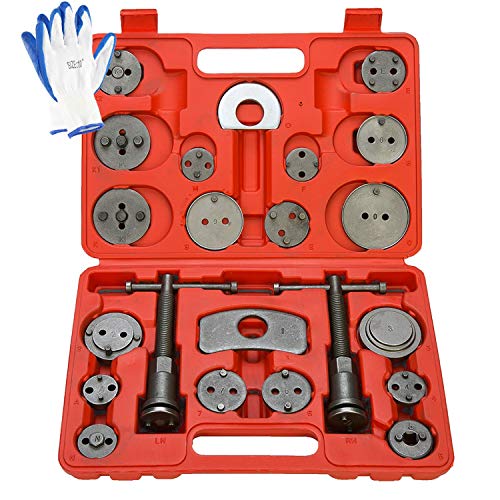
Ideal for 4 wheel drive cars/trucks

Cable actuated

Premium Quality: All components in 24pcs brake caliper tool set are constructed from 45# carbon steel and finished with a rust-proof blasting treatment for long-lasting and repeated use.
Signs of a Failing Brake Caliper
A failing brake caliper can significantly compromise vehicle safety, making it crucial for drivers to recognize the warning signs. Understanding these indicators not only helps in identifying potential issues early but also ensures safer driving conditions. This section outlines the key signs that suggest a brake caliper may be malfunctioning.
Identifying a broken caliper early can prevent severe accidents. Look for these common symptoms:
-
Unusual noises: Grinding or squeaking sounds when braking
-
Pulling to one side: The vehicle drifts left or right when braking
-
Vibration: A pulsating sensation in the brake pedal
| Symptom | Primary Suspect | Difficulty (1-5) |
|---|---|---|
| Unusual noises | Worn brake pads | 2 |
| Pulling to one side | Sticking caliper | 3 |
| Vibration | Warped rotor | 4 |
Caliper Failure Contributing Factors
Understanding the factors that contribute to caliper failure is essential for maintaining vehicle safety. Various elements, from wear and tear to environmental conditions, can impact the caliper’s performance. Identifying these factors helps drivers recognize potential issues before they escalate into critical braking hazards.
Understanding the root causes can help in prevention and repair. Common reasons for caliper failure include:
-
Corrosion: Rust can weaken the caliper and lead to leaks.
-
Seized pistons: Dirt and debris can cause the piston to stick, preventing proper function.
-
Brake fluid contamination: Moisture in the brake fluid can corrode internal components.
Step-by-Step Fix for a Broken Caliper
Driving with a broken caliper poses significant risks, affecting both vehicle performance and safety. Addressing this issue promptly is crucial to maintaining effective braking. The following step-by-step guide outlines the necessary actions to repair a broken caliper, ensuring your vehicle remains safe on the road.
Addressing a broken caliper requires careful attention. Follow these steps for a thorough repair:
-
Inspect the caliper: Check for visible damage or leaks.
-
Remove the wheel: Use a lug wrench to take off the wheel for better access.
-
Disconnect the brake line: Carefully detach the brake line to prevent fluid loss.
-
Replace the caliper: Install a new or rebuilt caliper, ensuring proper alignment.
-
Reattach the brake line: Securely connect the brake line to avoid leaks.
-
Bleed the brakes: Remove air from the brake lines to restore braking efficiency.
-
Reinstall the wheel: Put the wheel back on and tighten the lug nuts.
Caliper Repair Preparation and Considerations
Before addressing a broken caliper, it’s essential to understand the necessary preparations and considerations for repair. A malfunctioning caliper can lead to serious braking hazards, making it crucial to assess the situation thoroughly. This section will guide you through the steps to ensure a safe and effective repair process.
When preparing for a caliper repair, consider the following logistics:
-
Tools needed: Brake fluid, wrench set, jack and jack stands, lug wrench, and a caliper tool.
-
Safety precautions: Always wear gloves and safety glasses. Ensure the vehicle is securely supported before working underneath.
-
Time estimate: Expect the repair to take 1-3 hours, depending on experience.
Brake Maintenance for Vehicle Safety
Maintaining your vehicle’s braking system is crucial for safety, especially when dealing with issues like a broken caliper. Understanding the importance of regular brake inspections and timely repairs can prevent serious accidents and ensure optimal performance. This section delves into essential brake maintenance practices that every driver should be aware of.
Regular brake maintenance is crucial for vehicle safety. Schedule inspections every 12,000 miles or annually to catch issues early. Key maintenance tasks include:
-
Checking brake fluid levels
-
Inspecting brake pads and rotors
-
Examining the calipers for signs of wear
| Maintenance Task | Frequency | Importance Level |
|---|---|---|
| Brake fluid check | Every 6 months | High |
| Pad inspection | Every 12,000 miles | Medium |
| Caliper inspection | Annually | High |
Driving Risks with a Broken Caliper
Driving with a broken caliper poses significant risks that can jeopardize both vehicle safety and driver control. Understanding the potential hazards associated with compromised braking systems is crucial for anyone who relies on their vehicle. This section delves into the specific dangers of operating a car with a malfunctioning caliper and highlights the importance of timely repairs.
Do not drive with a broken caliper. The risks of brake failure can lead to serious accidents. Immediate attention is necessary to ensure both your safety and that of others on the road.
Brake Caliper Safety and Repair Urgency
Understanding the safety implications of a broken brake caliper is crucial for any driver. This section delves into the potential hazards associated with compromised braking systems and emphasizes the urgency of addressing caliper issues to ensure safe vehicle operation. Knowing when to seek repairs can prevent serious accidents and enhance overall driving safety.
Addressing a broken caliper is not just about vehicle performance. It is a matter of safety. Ensure timely repairs to maintain effective braking and prevent potential hazards.
