


Driving to work can be safe with the right precautions, especially during adverse weather conditions. Understanding the risks and preparing adequately can significantly reduce the likelihood of accidents.
Evaluate Weather Impact on Commuting
Understanding how weather conditions affect your daily commute is crucial for ensuring safety on the road. From rain and snow to fog and ice, various weather patterns can significantly alter driving conditions. This section will explore how to assess these impacts and make informed decisions for a safer journey to work.
Before heading out, check the weather forecast for your route. Conditions like rain, snow, or fog can impact visibility and road traction. Always consider the following factors:
-
Temperature: Freezing temperatures can lead to icy roads.
-
Precipitation: Rain or snow can create slippery conditions.
-
Wind: High winds can affect vehicle stability.
Use a Weather App for Real-Time Updates
Staying informed about weather conditions is crucial for commuter safety. Utilizing a reliable weather app can provide real-time updates on changing conditions, helping you make informed decisions about your route and timing. This proactive approach can significantly enhance your safety and preparedness while driving to work.
A reliable weather app can provide real-time updates on conditions. Look for features that include alerts for severe weather and radar images. This information can help you decide whether to delay your commute or take an alternate route.
| Weather Condition | Recommended Action | Safety Rating (1-5) |
|---|---|---|
| Clear | Proceed as normal | 5 |
| Rain | Drive slowly and increase following distance | 4 |
| Snow | Use winter tires and reduce speed | 3 |
| Fog | Use low beams and maintain a safe distance | 2 |
Vehicle Maintenance for Safe Commuting
Ensuring your vehicle is in optimal condition is crucial for safe commuting, especially during adverse weather conditions. Regular maintenance checks can prevent breakdowns and enhance your vehicle’s performance, providing peace of mind on your daily drive. This section outlines essential maintenance practices that contribute to a safer journey to work.
Regular vehicle maintenance is critical for safe commuting. Ensure your vehicle is equipped to handle various weather conditions. Key components to check include:
-
Tires: Ensure they have adequate tread and are properly inflated.
-
Brakes: Test for responsiveness and wear.
-
Wipers: Replace worn wiper blades for clear visibility.
Recommended Products
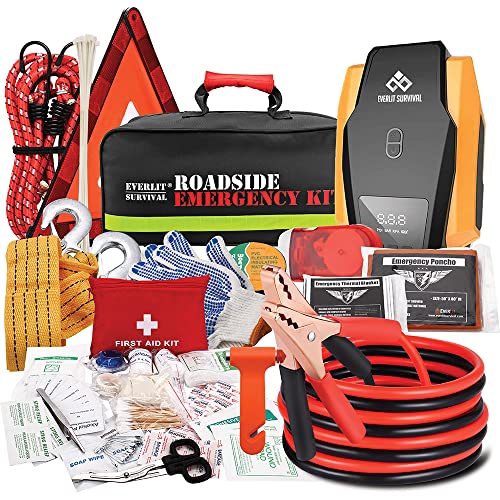
The Road Guardian- The portable roadside assistance kit is designed and hand picked by a group of experienced veterans and experts to provide every essential tools you need in roadside emergencies. The automotive safety bag contains accessories such as repair cable ties, bungee cords, electrical tape, space blanket, rain poncho, reflective warning triangle, glass breaker, seatbelt cutter, safety gloves, tow rope and more to get your vehicle back on the road and continue your travel.

If your car is parked at the scene of an accident waiting to be rescued, you may need this car emergency kit

Portable & Compact: The car safety kit is designed to fit neatly into an organizer bag, allowing for easy storage in either the backseat or trunk of your vehicle. This ensures that all essential safety items are kept together and easily accessible in case of an emergency. By keeping the kit organized and readily available, you can be better prepared for unexpected situations while on the road
Vehicle Emergency Kit Essentials
When commuting to work, being prepared for unexpected situations is crucial for your safety. An effective vehicle emergency kit can make a significant difference during adverse weather conditions or roadside emergencies. This section outlines the essential items you should include in your kit to ensure you’re ready for anything on your daily drive.
An emergency kit can be invaluable during unexpected situations. Include essential items such as:
-
First Aid Kit: For minor injuries.
-
Flashlight: For visibility during breakdowns.
-
Blanket: To stay warm if stranded.
-
Non-perishable Snacks: To maintain energy during long waits.
Driving Behavior Adjustments for Weather Safety
Driving in varying weather conditions requires adjustments to ensure safety on the road. Understanding how factors like rain, snow, and fog affect driving behavior can help commuters make informed decisions. This section explores key adjustments that can enhance safety and improve overall driving performance during adverse weather conditions.
Your driving behavior plays a crucial role in safety. Adjusting your habits can mitigate risks associated with adverse weather. Consider these practices:
-
Increase Following Distance: Allow more space between vehicles.
-
Reduce Speed: Slow down in poor conditions to maintain control.
-
Avoid Sudden Movements: Steer and brake gently to prevent skidding.
Recommended Products

【UV400 Polarized Night Vision Lens】- Equipped with advanced TAC polarized lenses, Madison Avenue anti-glare women night driving glasses ensure your eyes are fully protected. Blocking 100% of UVA, UVB, and UVC rays, these glasses also feature a yellow tint that enhances visual clarity and contrast in low-light conditions. Reduce the glare from streetlights and oncoming traffic and drive with confidence, knowing your eyes are safe from harmful rays.

DUCO Fit Over Design with Side Shields – Night vision glasses for men women worn comfortably over most glasses, expanding peripheral vision for a wider field of view. Available in M and L sizes for a secure, personalized fit

HD Yellow Lens – Effectively filters harsh glare and blocks 100% UV400, enhancing contrast and clarity in low-light conditions. Ideal for night driving, rain, fog, snow, and dusk
Stay Focused and Avoid Distractions
Driving to work can be a routine yet potentially hazardous activity, especially when distractions come into play. Staying focused behind the wheel is crucial for ensuring your safety and that of others on the road. This section will explore effective strategies to minimize distractions and maintain concentration during your daily commute.
Distractions can lead to accidents, especially in challenging weather. Commit to staying focused by:
-
Silencing Your Phone: Prevent notifications from diverting your attention.
-
Limiting Passengers: Fewer distractions can enhance concentration.
-
Planning Your Route: Familiarize yourself with the route to minimize last-minute decisions.
Severe Weather Driving Alternatives
When severe weather strikes, commuting can become hazardous, prompting the need for alternative travel options. Understanding these alternatives not only enhances safety but also ensures timely arrival at work. This section explores various strategies and modes of transportation to consider during adverse weather conditions.
Sometimes, the safest choice is to avoid driving altogether. If conditions are severe, consider these alternatives:
-
Public Transportation: Buses and trains can be safer options.
-
Remote Work: If possible, work from home during hazardous weather.
-
Carpooling: Share rides with others to reduce the number of vehicles on the road.
Local Traffic Incident Updates
Staying informed about local traffic incidents is crucial for ensuring a safe commute to work. With weather conditions often impacting road safety, knowing about accidents, construction, and other disruptions can help you plan your route effectively. This section provides timely updates on local traffic incidents to help you navigate your daily drive with confidence.
Stay informed about road conditions and traffic incidents. Local traffic reports can provide insights into:
-
Accidents: Know where accidents have occurred to avoid delays.
-
Road Closures: Be aware of any closures due to weather or maintenance.
-
Traffic Congestion: Identify alternative routes to bypass heavy traffic.
Commuter Safety Adjustments in Bad Weather
Driving to work can become particularly hazardous during inclement weather, requiring commuters to adapt their routines and safety practices. Understanding how to navigate these conditions is essential for minimizing risks and ensuring a safe journey. This section will explore the necessary adjustments to make when facing adverse weather while commuting.
Always prioritize safety over convenience. If conditions are unsafe, do not hesitate to adjust your plans.
Recommended Products

Emergency Mylar Thermal Blankets - Emergency Blanket,Space Blanket,Thermal Blanket,Mylar Blanket,Survival Blanket.Our durable advanced aluminized Mylar blankets are perfect for civilian bug out bags, go-bags, and home/auto emergency kits.

Complete Roadside Emergency Kit: This all-in-one car emergency kit includes 170 essential items, featuring 12 ft 8 Gauge jumper cables, a digital air compressor for accurate tire inflation, a 138-item first aid kit, 22 pcs car tool kit, 2 in 1 ice scraper & snow brush and more, preparing you for any roadside crisis

Sturdy and Warm Construction: A windproof and waterproof two-person tent made from tear-resistant and puncture-resistant PET polyester film, designed to reflect 90% of body heat. Stay warm and dry in wind, rain, and snow during camping and hiking, easily fits into any backpack and serves as a car survival kit
