


Driving through South America can be safe if travelers remain informed and prepared. Understanding the current security landscape, including potential risks and safety measures, is essential for a secure journey.
Driving Safety Conditions in South America
The security situation in South America varies significantly by country and region. While some areas are relatively safe for travelers, others may pose risks such as theft, violence, or civil unrest. Staying updated on local conditions is crucial for ensuring safety while driving.
| Country | Safety Rating | Common Risks |
|---|---|---|
| Argentina | Moderate | Petty crime, road conditions |
| Brazil | Variable | Violent crime, traffic accidents |
| Chile | High | Low risk, natural disasters |
| Colombia | Moderate | Armed groups, theft |
| Peru | Moderate | Petty crime, road hazards |
Safety Tips for Driving in South America
Before embarking on a road trip through South America, preparation is key. Travelers should equip themselves with knowledge about local laws, road conditions, and emergency contacts. Ensuring that your vehicle is in good condition can also prevent breakdowns in remote areas.
Recommended Products


South America Driving Safety Vehicle Checks
Driving through South America requires careful preparation, particularly regarding vehicle safety. Regular checks and maintenance are essential to ensure your car can handle the diverse and often challenging road conditions across the continent. Understanding the specific safety measures and inspections needed can significantly enhance your travel experience and security on the road.
Conduct a thorough inspection of your vehicle to ensure it is roadworthy. This includes checking the following:
-
Tires: Ensure they are in good condition with adequate tread.
-
Brakes: Test for responsiveness and wear.
-
Fluids: Check oil, coolant, and brake fluid levels.
-
Lights: Ensure all headlights and taillights function properly.
Safety Gear for South America Road Trips
When planning a road trip through South America, having the right safety gear is essential for a secure journey. This section outlines the must-have equipment and supplies that can help travelers navigate the diverse terrains and varying safety conditions across the continent. Being prepared can significantly enhance your travel experience and ensure peace of mind on the road.
Packing the right supplies can enhance safety during your travels. Consider including the following items:
-
First Aid Kit: For minor injuries or emergencies.
-
Emergency Toolkit: Includes basic tools for repairs.
-
Navigation Device: GPS or maps for route planning.
-
Food and Water: Non-perishable snacks and ample water supply.
Driving Laws Across South America 2026
Understanding the driving laws across South America is crucial for anyone planning to navigate the region’s diverse landscapes. In 2026, regulations vary significantly from country to country, impacting everything from speed limits to required documentation. Familiarizing yourself with these laws can enhance safety and ensure a smoother travel experience.
Understanding local driving laws is essential for compliance and safety. Each country has its own rules regarding speed limits, alcohol consumption, and road signs. Familiarizing yourself with these laws can prevent legal issues during your travels.
Driving Regulations Across South America
Driving in South America involves navigating a complex landscape of regulations that vary significantly from country to country. Understanding these rules is essential for ensuring safety and compliance while traveling. This section provides an overview of the key driving regulations across the continent, highlighting important differences and considerations for drivers.
Here are some key driving laws to keep in mind:
-
Seat Belts: Mandatory for all passengers in most countries.
-
Alcohol Limits: Varies by country; some have zero tolerance.
-
Speed Limits: Typically range from 40 to 120 km/h depending on the area.
Driving Safety Risks in South America
Driving through South America presents a unique set of safety risks that travelers should be aware of. From challenging road conditions to varying levels of law enforcement, understanding these dangers is crucial for ensuring a safer journey. This section explores the most significant driving safety concerns across the continent, providing insights to help travelers navigate effectively.
While driving through South America, awareness of potential risks is vital. Travelers should remain vigilant and take precautions to minimize exposure to danger.
Recommended Products

Portable & Compact: The car safety kit is designed to fit neatly into an organizer bag, allowing for easy storage in either the backseat or trunk of your vehicle. This ensures that all essential safety items are kept together and easily accessible in case of an emergency. By keeping the kit organized and readily available, you can be better prepared for unexpected situations while on the road
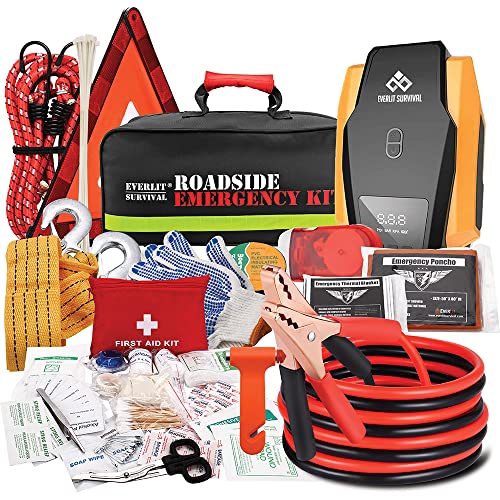
The Road Guardian- The portable roadside assistance kit is designed and hand picked by a group of experienced veterans and experts to provide every essential tools you need in roadside emergencies. The automotive safety bag contains accessories such as repair cable ties, bungee cords, electrical tape, space blanket, rain poncho, reflective warning triangle, glass breaker, seatbelt cutter, safety gloves, tow rope and more to get your vehicle back on the road and continue your travel.

If your car is parked at the scene of an accident waiting to be rescued, you may need this car emergency kit
Safety Strategies for Driving in South America
Driving through South America presents unique challenges, but with the right strategies, travelers can enhance their safety. This section outlines practical tips and precautions to consider, ensuring a more secure and enjoyable journey across diverse landscapes and cultures. Understanding local conditions and potential risks is essential for a successful driving experience in this vibrant region.
Implementing safety strategies can help mitigate risks. Consider the following:
-
Avoid Night Driving: Many areas become more dangerous after dark.
-
Stay in Well-Lit Areas: Park in secure, well-lit locations.
-
Limit Display of Valuables: Keep valuables out of sight to deter theft.
Emergency Contacts for South America Travel
Traveling through South America can present unique challenges, making it crucial to be prepared for emergencies. Knowing who to contact in various situations can enhance your safety and peace of mind while on the road. This section provides essential emergency contact information to help travelers navigate potential risks effectively.
Having a list of emergency contacts can provide peace of mind. Include the following:
-
Local Authorities: Police and emergency services numbers.
-
Embassy Contacts: For assistance in case of emergencies.
-
Roadside Assistance: Local services for vehicle breakdowns.
Driving Logistics for South America Travelers
Traveling through South America by car can be an exhilarating experience, but it also comes with unique challenges. Understanding the driving logistics is crucial for ensuring a safe and enjoyable journey. This section provides essential insights into road conditions, local driving customs, and safety considerations for travelers navigating the diverse landscapes of the continent.
Understanding the logistics of driving in South America can enhance the travel experience. Familiarize yourself with local customs and road conditions to ensure a smoother journey.
Driving Conditions Across South America
Driving conditions across South America can vary significantly from one region to another, influenced by factors such as road quality, weather, and local driving habits. Understanding these conditions is crucial for anyone planning to navigate the continent’s diverse landscapes. This section provides an overview of the current driving environments and challenges faced by travelers in 2026.
Road conditions can vary widely across regions. Here are some considerations:
-
Urban Areas: Typically have better-maintained roads but may experience heavy traffic.
-
Rural Areas: Often feature unpaved roads and potential hazards.
-
Mountainous Regions: May require special driving skills due to steep inclines and sharp turns.
Fuel Access and Costs in South America
Navigating fuel access and costs is crucial for anyone planning to drive through South America. This section delves into the current fuel availability across various countries, highlighting pricing trends and regional differences that can significantly impact travel plans. Understanding these factors will help ensure a smoother journey through the diverse landscapes of the continent.
Fuel availability can differ significantly. It’s important to plan fuel stops in advance, especially in remote areas.
| Country | Fuel Type | Average Price (per liter) |
|---|---|---|
| Argentina | Gasoline | $1.00 |
| Brazil | Ethanol | $0.80 |
| Chile | Gasoline | $1.20 |
| Colombia | Gasoline | $0.90 |
| Peru | Gasoline | $1.00 |
Safety Tips for Driving in South America
Driving through South America can be an exhilarating experience, but it also comes with unique safety challenges. Understanding the local conditions, road rules, and potential hazards is essential for a secure journey. Here are some practical safety tips to help you navigate the diverse landscapes and cultures while minimizing risks on the road.
Traveling through South America can be safe with proper planning and awareness. Always prioritize safety by staying informed and prepared for any situation.
