


Driving the Alaska Highway can be safe with proper preparation and awareness of current road conditions. The highway offers stunning views but also presents challenges such as unpredictable weather and remote areas with limited services.
Alaska Highway Road Condition Insights
The Alaska Highway spans over 1,390 miles, connecting Dawson Creek, British Columbia, to Delta Junction, Alaska. Road conditions can vary significantly depending on the season and weather. Travelers should check for updates on road closures, construction, and weather forecasts before embarking on their journey.
| Condition | Description | Recommended Action |
|---|---|---|
| Clear | Good visibility and dry roads | Proceed with caution |
| Snowy | Reduced visibility and slippery surfaces | Drive slowly and maintain distance |
| Icy | Extremely hazardous conditions | Avoid driving unless necessary |
Vehicle Preparation for Alaska Highway Travel
Traveling the Alaska Highway presents unique challenges, making vehicle preparation essential for a safe journey. Understanding the specific demands of this rugged route will help ensure your vehicle is equipped to handle varying road conditions and potential hazards. Proper preparation can significantly enhance your travel experience and safety on this iconic highway.
Proper vehicle preparation is crucial for a safe trip on the Alaska Highway. Ensure your vehicle is in good working condition, focusing on critical systems such as brakes, tires, and lights. Carry essential supplies to handle emergencies.
Recommended Products
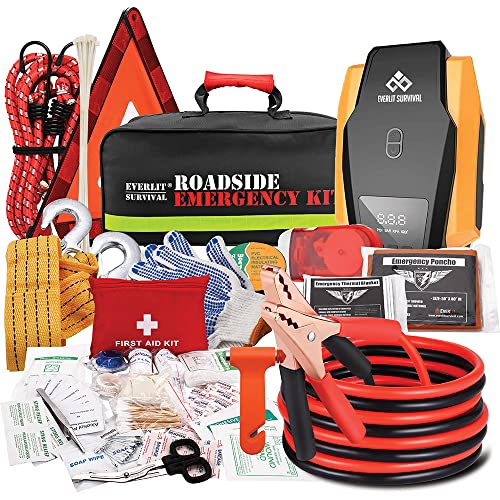
The Road Guardian- The portable roadside assistance kit is designed and hand picked by a group of experienced veterans and experts to provide every essential tools you need in roadside emergencies. The automotive safety bag contains accessories such as repair cable ties, bungee cords, electrical tape, space blanket, rain poncho, reflective warning triangle, glass breaker, seatbelt cutter, safety gloves, tow rope and more to get your vehicle back on the road and continue your travel.

Portable & Compact: The car safety kit is designed to fit neatly into an organizer bag, allowing for easy storage in either the backseat or trunk of your vehicle. This ensures that all essential safety items are kept together and easily accessible in case of an emergency. By keeping the kit organized and readily available, you can be better prepared for unexpected situations while on the road
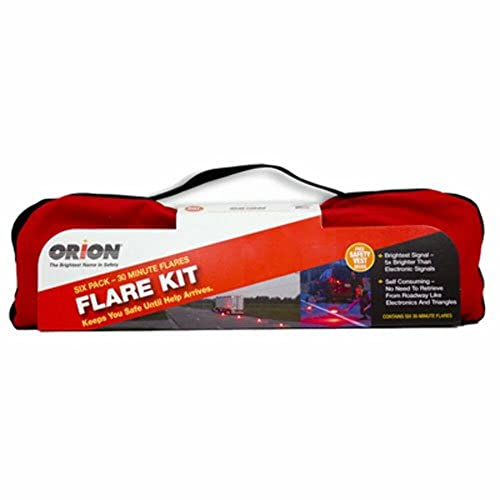
Kit contents: (6) 30 minute highway flares plus (1) FREE high visibility safety vest.
Alaska Highway Driving Essentials
Driving the Alaska Highway presents unique challenges and rewards, making it essential for travelers to understand the road conditions and safety measures involved. This section outlines the key essentials for navigating this remote and often rugged route, ensuring that drivers are well-prepared for the journey ahead. Familiarity with these factors can significantly enhance both safety and enjoyment on this iconic highway.
-
Spare tire: Ensure it is fully inflated and in good condition.
-
Jumper cables: Useful for unexpected battery issues.
-
Emergency kit: Include first-aid supplies, blankets, and food.
-
Shovel: Helpful for clearing snow if stuck.
Stay Updated on Alaska Highway Weather
Driving the Alaska Highway can present unique challenges, particularly due to its variable weather conditions. Staying informed about current weather patterns is essential for ensuring a safe journey. This section highlights key resources and tips for monitoring weather updates along the highway, helping travelers navigate potential hazards effectively.
Weather can change rapidly on the Alaska Highway, impacting driving safety. Check local forecasts frequently and be prepared to adjust your plans. Winter months can bring heavy snowfall, while summer may lead to road construction delays.
Alaska Highway Weather Update Sources
When planning a trip along the Alaska Highway, staying informed about current weather conditions is essential for a safe journey. Reliable sources for weather updates can help travelers navigate potential challenges posed by changing climates and road conditions. Understanding where to find accurate information will enhance both safety and preparedness on this scenic but sometimes treacherous route.
-
Local news stations: Offer real-time updates.
-
Weather apps: Provide forecasts and alerts.
-
Road condition websites: Check for closures and hazards.
Wildlife Crossing Safety on Alaska Highway
Driving the Alaska Highway presents unique challenges, particularly when it comes to wildlife crossings. Understanding the types of animals you may encounter and the safety measures in place can significantly enhance your travel experience. This section explores the risks associated with wildlife on the highway and offers practical tips for navigating these encounters safely.
Wildlife crossings are common along the Alaska Highway. Animals such as moose and bears can appear suddenly, posing serious risks. Drivers should remain vigilant, especially during dawn and dusk.
Wildlife Encounter Safety Measures
Driving the Alaska Highway offers breathtaking views and unique experiences, but it also comes with the potential for wildlife encounters. Understanding how to navigate these situations safely is crucial for any traveler. The following measures can help ensure your journey remains safe while enjoying the stunning landscapes and diverse wildlife.
-
Reduce speed: This increases reaction time.
-
Use high beams: Improve visibility in low-light conditions.
-
Stay alert: Watch for signs indicating wildlife crossings.
Plan Fuel Stops Strategically
Driving the Alaska Highway presents unique challenges, particularly when it comes to fuel availability. Understanding where to stop for gas is crucial, as distances between stations can be significant and unpredictable. This section will guide you on how to plan your fuel stops effectively to ensure a smooth journey through this remote and stunning landscape.
Gas stations are sparse along the Alaska Highway, especially in remote areas. It is essential to plan fuel stops ahead of time to avoid running out of gas.
| Location | Distance Between Stations (miles) | Notes |
|---|---|---|
| Dawson Creek to Fort Nelson | 100 | Limited services available |
| Fort Nelson to Watson Lake | 200 | Fill up at Fort Nelson |
| Watson Lake to Whitehorse | 150 | Last major stop before Whitehorse |
Recommended Products
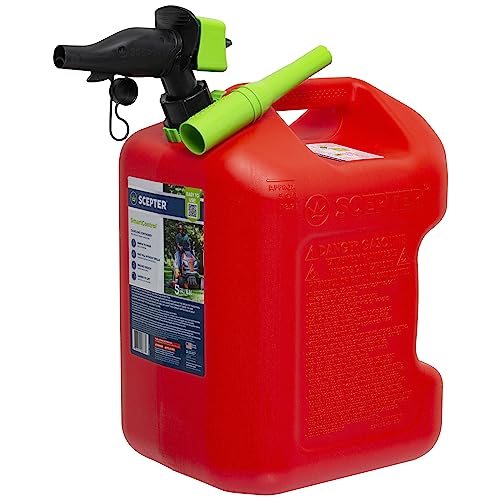
EASY TO POUR GAS CAN – Amazon exclusive, 5-gallon fuel container for easy refilling of lawnmowers, chainsaws, yard tools, recreational vehicles, ATVs, motorcycles, and other gas-powered equipment

Fits Your Needs - Type I safety cans have a single opening for filling and pouring fluids. They are used to safely store, transport, and dispense flammable liquids.

EASY TO POUR GAS CAN – 5-gallon fuel container with additional rear handle for easy refilling of lawnmowers, chainsaws, yard tools, recreational vehicles, ATVs, motorcycles, and other gas-powered equipment
Emergency Communication Solutions for Alaska Highway
Traveling the Alaska Highway presents unique challenges, particularly when it comes to emergency communication. Understanding the available solutions can significantly enhance safety for drivers navigating this remote and often rugged terrain. This section explores various communication tools and strategies to ensure that help is accessible when needed most.
Cell service can be unreliable in remote regions of the Alaska Highway. Consider alternative communication options for emergencies. Carry a satellite phone or a two-way radio for reliable communication.
Recommended Products
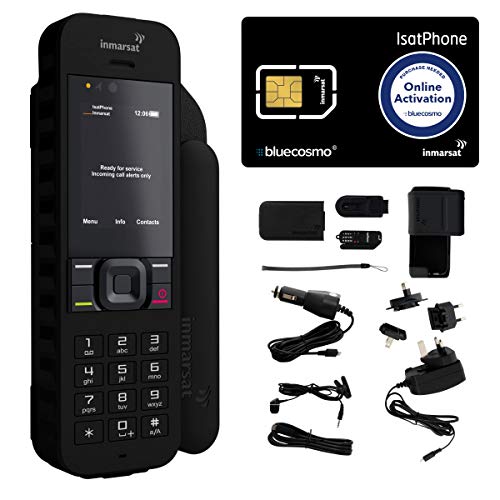
Global Coverage: No Roaming Charges - Make and receive voice calls, SMS, track your position with GPS from anywhere on the globe.

FLEXIBLE AIRTIME OPTIONS FOR GLOBAL USE - The Inmarsat IsatPhone 2 satellite phone includes a free SIM card. Before using your Inmarsat satellite phone, you must purchase an airtime plan for the SIM provided. Prepaid plans offer a set number of minutes for a one-time payment, with the option to add more anytime. Postpaid plans provide continuous service for a fixed monthly fee, ensuring uninterrupted use. We will provide information on the various plans available following your purchase.

Global Iridium Satellite Coverage: Stay connected anywhere on Earth with 100% global Iridium satellite coverage for two-way SMS, email, GPS tracking, offline maps, SOS, weather updates, and location sharing—all through the Bivy app, compatible with both iOS and Android. Monthly: (Basic $19.99 | Plus $34.99 | Unlimited $59.99). Annual: (Basic $14.99 | Plus $29.99 | Unlimited $54.99). One time 3-month commitment per device, then month-to-month. Plans available globally.
Satellite Phone Options for Remote Travel
Traveling the Alaska Highway presents unique challenges, particularly in remote areas where cell service may be unreliable. Having a satellite phone can be crucial for safety and communication in these isolated regions. This section explores various satellite phone options that cater to the needs of travelers navigating the rugged terrain of the highway.
-
Satellite phone: Provides coverage in remote areas.
-
Two-way radio: Useful for group travel.
-
Emergency beacon: Signals for help in dire situations.
Alaska Highway Emergency Service Locations
When traveling the Alaska Highway, understanding the locations of emergency services is crucial for ensuring safety on this remote route. The highway presents unique challenges, and knowing where to find assistance can make a significant difference in case of an emergency. This section provides detailed information on emergency service locations along the highway to help travelers plan their journey effectively.
Emergency services can be limited along the Alaska Highway. Familiarize yourself with the locations of hospitals and emergency services along your route.
Fort Nelson Medical Services Availability
Fort Nelson serves as a crucial stop along the Alaska Highway, but understanding the availability of medical services in this remote area is essential for travelers. With limited healthcare facilities, it’s important to know what resources are accessible in case of emergencies. This section explores the medical services available in Fort Nelson to help ensure a safer journey.
-
Fort Nelson: Offers basic medical services.
-
Watson Lake: Limited services available.
-
Whitehorse: Full medical facilities and emergency services.
Alaska Highway Travel Safety Tips
Traveling the Alaska Highway can be an unforgettable adventure, but safety should always be a priority. Understanding the unique road conditions and potential hazards is essential for a smooth journey. Here are some practical tips to help ensure your trip is both safe and enjoyable.
Driving the Alaska Highway requires preparation and awareness of road conditions, weather, and wildlife. Stay informed and plan accordingly to ensure a safe journey.
