


Driving on run-flat tires can be safe for a limited distance and speed after a puncture. Most manufacturers recommend not exceeding 50 miles at a maximum speed of 50 mph to ensure safety and tire integrity.
Run-Flat Tire Technology and Limitations
Run-flat tires offer a unique solution for drivers seeking safety and convenience after a puncture. Understanding their technology and inherent limitations is crucial for making informed decisions about their use. This section delves into how run-flat tires function and the specific distance and speed restrictions that come into play when driving on them.
Run-flat tires are designed to allow continued driving even after losing air pressure. This technology features reinforced sidewalls that support the vehicle’s weight, preventing immediate tire failure. However, understanding their limitations is crucial for safe driving.
Run-flat tires typically come in two types:
-
Self-supporting: These have reinforced sidewalls that can carry the vehicle’s weight without air pressure.
-
Support ring: These use an inner support ring to maintain the tire’s shape when deflated.
Both types provide a temporary solution, but they are not a permanent fix for tire issues.
Run-Flat Tire Distance and Speed Guidelines
Driving on run-flat tires after a puncture is possible, but there are strict guidelines. The general recommendation is to limit travel to 50 miles and maintain speeds up to 50 mph. Exceeding these limits can lead to tire failure, compromising safety.
| Distance Limit | Speed Limit | Tire Condition |
|---|---|---|
| 50 miles | 50 mph | Must be checked regularly |
Ignoring these limits can lead to significant risks, including blowouts or loss of vehicle control.
Recommended Products

Go Up to 50 Miles After a Puncture

Up to 80,000-mile limited treadwear coverage

Product Overview: The Bridgestone DriveGuard Plus is a 245/50R19 105W XL-Extra Load, 4 Ply Rated High Performance Tire Manufactured For Trucks & SUVs
Identifying Run-Flat Tire Damage Indicators
Understanding how to identify damage indicators on run-flat tires is crucial for maintaining safety and performance. These specialized tires are designed to withstand certain conditions even when deflated, but recognizing signs of wear or damage can prevent further issues. This section will outline the key indicators to look for to ensure your run-flat tires remain reliable on the road.
Recognizing damage is essential for safe driving. Even if a run-flat tire appears intact, internal damage may exist. Look for these signs:
-
Vibration: Unusual vibrations while driving can indicate tire damage.
-
Uneven wear: Check for uneven tread wear, which may signal internal issues.
-
Noise: Increased road noise can also suggest a problem.
If any of these symptoms occur, it is crucial to have the tires inspected immediately.
Run-Flat Tire Maintenance Best Practices
Maintaining run-flat tires requires specific practices to ensure safety and performance. Understanding the unique characteristics of these tires can help drivers maximize their benefits while minimizing risks. This section outlines essential maintenance tips to keep run-flat tires in optimal condition for reliable driving.
Proper maintenance enhances the lifespan of run-flat tires. Regular checks can prevent issues before they escalate. Consider these maintenance tips:
-
Inspect regularly: Check for visible damage or wear patterns.
-
Maintain proper pressure: Use a tire pressure gauge to ensure the correct inflation level.
-
Rotate tires: Regular rotation helps ensure even wear.
| Maintenance Task | Frequency | Purpose |
|---|---|---|
| Tire pressure check | Monthly | Prevents blowouts |
| Visual inspection | Every 5,000 miles | Identifies damage early |
| Rotation | Every 6,000 miles | Promotes even wear |
Neglecting maintenance can lead to reduced performance and safety risks.
Recommended Products
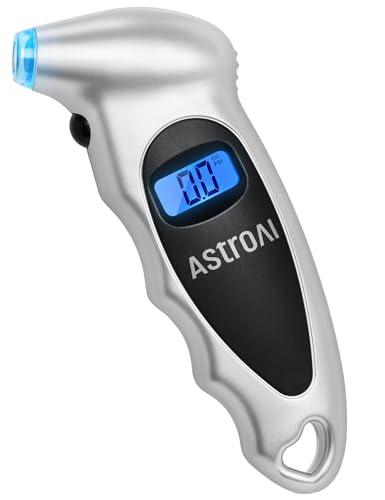
Accurate, Dependable Readings: Factory‑calibrated to ±1 PSI, so you can confidently match your vehicle’s recommended PSI (check the door jamb sticker). Ideal for monthly checks and road trips — consistent results every time, cold or warm.

RUGGED DESIGN: The stainless steel components prevent rust and corrosion while the precision-crafted nozzle seamlessly seals onto the valve stems for highly accurate readings (±2% span). We also provide 4 valve stem caps for convenient replacement.

HIGH ACCURACY: Every ETENWOLF's pencil tire gauge is calibrated to ANSI B40.1 Grade B, it is accurate to 2% of span in the middle 50% of range and 3% of span in the lower and upper 25% of range. Each ETENWOLF pencil tire pressure gauge is manually calibrated and has its unique calibration number printed on the pencil
When to Replace Run-Flat Tires
Understanding when to replace run-flat tires is crucial for maintaining vehicle safety and performance. These specialized tires offer unique benefits but come with specific wear indicators and limitations. Knowing the signs of deterioration and adhering to recommended replacement guidelines can help ensure a safe driving experience.
Knowing when to replace run-flat tires is vital for safety. Even if they are still functional, they may not perform optimally. Consider replacing them if:
-
Tread depth is below 2/32 of an inch.
-
Age exceeds six years, regardless of tread wear.
-
Visible damage is present, such as cracks or bulges.
Driving on worn or damaged tires can lead to serious accidents.
Recommended Products

Peace of mind - quickly checks tire tread remaining to determine how long before they need replacing
Up to 80,000-mile limited treadwear coverage

EASY TO USE - Color coded tire tread depth gauge tool clearly indicates the tires tread depth by colors
Run-Flat Tire Safety Guidelines
Understanding the safety guidelines for run-flat tires is crucial for drivers who rely on this technology. These tires are designed to provide temporary mobility after a puncture, but knowing their limitations in terms of distance and speed is essential for maintaining safety on the road. This section outlines key considerations to help you navigate the use of run-flat tires effectively.
While run-flat tires provide convenience, they come with limitations. Always adhere to the recommended distance and speed limits to maintain safety. Regular maintenance and inspections are essential for optimal performance.
Ignoring these guidelines can lead to dangerous driving conditions. Always prioritize safety when operating a vehicle with run-flat tires.
