


Driving on tires with 3/32 inch tread depth is not safe due to increased hydroplaning risks. Tread depth below 4/32 inch significantly reduces traction on wet surfaces, making it crucial to replace tires before they reach this level.
Tire Tread Depth and Hydroplaning Risks
Tread depth is a critical factor in tire performance, particularly in wet conditions. Tires with insufficient tread depth struggle to channel water away from the contact patch, increasing the likelihood of hydroplaning. Hydroplaning occurs when a layer of water prevents direct contact between the tire and the road, causing loss of control.
The following table outlines the relationship between tread depth and hydroplaning risk:
| Tread Depth (32nds) | Hydroplaning Risk Level | Recommended Action |
|---|---|---|
| 8/32 or more | Low | Safe for wet conditions |
| 6/32 | Moderate | Monitor closely |
| 4/32 | High | Replace soon |
| 3/32 or less | Very High | Immediate replacement |
Recommended Products

Fast - quickly checks remaining tire tread to determine how long before tires need replacing

Peace of mind - quickly checks tire tread remaining to determine how long before they need replacing

Hydroplaning Risks with 3/32 Tire Tread
Driving on tires with 3/32 of an inch tread depth significantly increases the risk of hydroplaning, especially in wet conditions. This section delves into the mechanics of hydroplaning and how diminished tread depth can compromise traction, making it crucial for drivers to understand the safety implications associated with worn tires.
Hydroplaning happens when tires cannot displace water effectively. This can lead to a sudden loss of steering and braking control. The risk of hydroplaning increases with speed, water depth, and tire tread condition.
Key factors contributing to hydroplaning include:
-
Tire tread depth: Less than 4/32 inch increases risk.
-
Vehicle speed: Higher speeds exacerbate hydroplaning.
-
Water depth: Even shallow water can cause issues at speed.
Driving on tires with 3/32 inch tread depth is extremely dangerous, especially in wet conditions.
Indicators of 3/32 Tire Tread Wear
Understanding the indicators of 3/32 tire tread wear is crucial for assessing vehicle safety. At this tread depth, tires are nearing their limit for effective traction and water displacement, significantly increasing the risk of hydroplaning. Recognizing the signs of wear can help drivers make informed decisions about tire replacement and overall road safety.
Recognizing signs of tire wear can help prevent hydroplaning incidents. Common indicators include:
-
Uneven tread wear
-
Cracks or bulges in the sidewall
-
Vibration or noise while driving
Regular inspections can help identify these signs early.
Tire Tread Depth Inspection Methods
Understanding how to inspect tire tread depth is crucial for maintaining vehicle safety, especially when considering the risks associated with low tread levels. This section outlines effective methods for assessing tread depth, ensuring drivers can make informed decisions about their tires and reduce the likelihood of hydroplaning. Proper inspection techniques can significantly enhance road safety and vehicle performance.
-
Check tread depth using a gauge or penny.
-
Look for visible damage on the sidewalls.
-
Listen for unusual noises during driving.
Tire Replacement Choices for 3/32 Tread
When your tires reach a tread depth of 3/32 of an inch, safety becomes a primary concern, especially regarding hydroplaning risks. Choosing the right replacement tires is essential to ensure optimal traction and performance in wet conditions. This section explores various tire options suitable for vehicles with such low tread depth, helping you make an informed decision.
When replacing tires, consider the following options:
-
All-season tires: Versatile for various conditions.
-
Performance tires: Better grip in wet conditions.
-
Winter tires: Essential for snowy or icy conditions.
Evaluate your driving habits and local climate to choose the best tire type.
Recommended Products
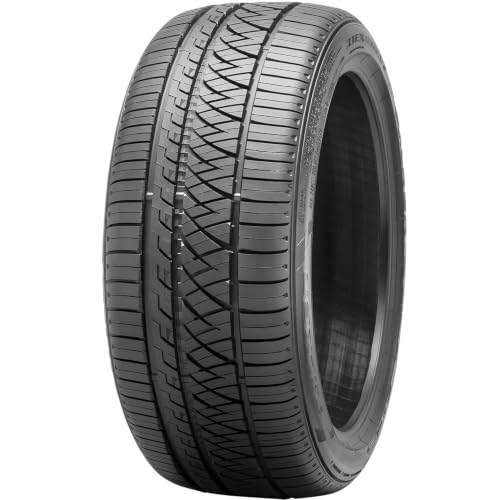
Falken's Ziex ZE960 A/S is a versatile tire that delivers exceptional performance and responsive handling. Designed for use on today's premium coupes and sedans, the Ziex ZE960 A/S offers enhanced hydroplaning resistance, improved snow traction, and a smooth ride.

HANKOOK P275/60R15T 107T H735 KINERGY ST

Tire Tread Safety Comparison for Hydroplaning
Understanding tire tread depth is crucial for safe driving, especially when considering the risks of hydroplaning. This section compares various tread depths and their impact on vehicle performance in wet conditions, highlighting the safety implications of driving on tires with 3/32 tread. By examining these factors, drivers can make informed decisions about their tire maintenance and safety.
| Tire Type | Tread Pattern | Wet Performance | Price Range |
|---|---|---|---|
| All-season | Symmetrical | Moderate | $80 – $150 |
| Performance | Asymmetrical | High | $120 – $250 |
| Winter | Deep grooves | Very High | $100 – $200 |
Tire Care Strategies for Safe Driving
Maintaining tire health is crucial for ensuring safe driving, especially when tread depth is a concern. With tires worn down to 3/32 of an inch, drivers must adopt effective care strategies to mitigate risks like hydroplaning. Understanding how to maintain and monitor tire condition can significantly enhance safety on the road.
Proper tire maintenance can extend the life of your tires and improve safety. Key practices include:
-
Regular rotation: Rotate tires every 5,000 to 7,500 miles.
-
Proper inflation: Check tire pressure monthly.
-
Alignment checks: Ensure alignment every 6,000 miles.
Neglecting tire maintenance can lead to premature wear and increased hydroplaning risk.
Hydroplaning Risks with 3/32 Tire Tread
Driving on tires with 3/32 inch tread depth is unsafe due to the high risk of hydroplaning. Replacing tires before they reach this tread depth is essential for maintaining vehicle control and safety in wet conditions. Regular inspections and proper maintenance can help ensure your tires remain safe for driving.
