


Driving in thunder can be dangerous due to the associated storm risks. Lightning, reduced visibility, and strong winds can create hazardous conditions that require specific safety protocols to ensure driver and passenger safety.
Thunderstorm Driving Hazards and Safety
Driving during a thunderstorm presents unique hazards that can significantly impact safety on the road. From reduced visibility to the risk of hydroplaning, understanding these dangers is crucial for any driver. Implementing effective safety protocols can help mitigate risks and ensure a safer journey through stormy conditions.
Thunderstorms pose various risks to drivers. Lightning can strike vehicles, particularly if they are the tallest object in the area.
Heavy rain can lead to hydroplaning, while strong winds can cause loss of vehicle control. Understanding these risks helps drivers make informed decisions.
Recommended Products
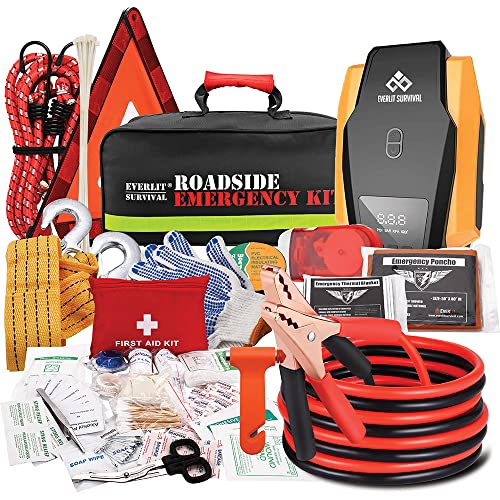
The Road Guardian- The portable roadside assistance kit is designed and hand picked by a group of experienced veterans and experts to provide every essential tools you need in roadside emergencies. The automotive safety bag contains accessories such as repair cable ties, bungee cords, electrical tape, space blanket, rain poncho, reflective warning triangle, glass breaker, seatbelt cutter, safety gloves, tow rope and more to get your vehicle back on the road and continue your travel.

【Things you may need】: This roadside assistance packages is a perfect gift.Contain the necessary roadside kits, snow shovel, flashing lights, reflective triangle warning signs, advanced jumpers (8.2 foot), powerful towing rope, safety hammer and seat belt cutters, life blankets, raincoats, compasses and more!

If your car is parked at the scene of an accident waiting to be rescued, you may need this car emergency kit
Vehicle Protection from Lightning Strikes
Driving during a thunderstorm raises concerns about lightning strikes, particularly for those in vehicles. Understanding how to protect yourself and your vehicle from these powerful natural phenomena is crucial. This section explores the risks associated with lightning and offers practical safety protocols to minimize danger while on the road.
Lightning strikes can occur during thunderstorms, posing a serious threat. While vehicles provide some protection due to their metal frames, it is essential to follow safety protocols.
-
Stay inside the vehicle if lightning is present.
-
Avoid touching metal parts of the vehicle.
-
Park in a safe location away from tall trees and power lines.
| Safety Measure | Description |
|---|---|
| Stay Inside | Remain in the vehicle to avoid lightning exposure. |
| Avoid Metal | Do not touch metal parts to reduce shock risk. |
| Safe Parking | Choose locations away from hazards. |
Hydroplaning Hazards in Heavy Rain
Driving during heavy rain poses significant risks, particularly the danger of hydroplaning. This phenomenon occurs when a vehicle’s tires lose contact with the road due to a layer of water, leading to a loss of control. Understanding the conditions that contribute to hydroplaning and how to mitigate these hazards is crucial for safe driving during thunderstorms.
Heavy rain can create slick road conditions, increasing the risk of hydroplaning. Drivers must adjust their speed and maintain a safe following distance to mitigate this risk.
-
Reduce speed to maintain traction.
-
Avoid sudden movements with the steering wheel.
-
Use headlights to improve visibility.
| Driving Tip | Action |
|---|---|
| Reduce Speed | Slow down to maintain control on wet roads. |
| Steady Steering | Keep movements smooth to avoid skidding. |
| Use Headlights | Enhance visibility during heavy rain. |
Driving Stability in High Winds
Driving in high winds can significantly impact vehicle stability and control. Understanding how to navigate these conditions is crucial for ensuring safety on the road. This section explores the effects of strong winds on driving and offers practical tips to maintain control and make informed decisions during adverse weather.
Strong winds can affect vehicle stability, especially for larger vehicles. Drivers should be aware of wind direction and adjust their driving accordingly.
-
Grip the steering wheel firmly.
-
Be cautious of high-profile vehicles and trailers.
-
Anticipate sudden gusts when driving near open areas.
| Wind Condition | Recommended Action |
|---|---|
| Strong Crosswinds | Keep a firm grip on the wheel. |
| High-Profile Vehicles | Increase following distance. |
| Open Areas | Be prepared for sudden gusts. |
Thunderstorm Driving Gear and Supplies
When driving during a thunderstorm, having the right gear and supplies can significantly enhance safety and preparedness. This section outlines essential items to keep in your vehicle, ensuring you are equipped to handle the unpredictable conditions that accompany severe weather. Being well-prepared can make a crucial difference in navigating through stormy situations.
Preparation is key to safe driving during thunderstorms. Having the right gear and supplies can make a difference.
-
Keep an emergency kit in the vehicle.
-
Ensure tires are properly inflated.
-
Check windshield wipers for effectiveness.
| Preparation Item | Importance |
|---|---|
| Emergency Kit | Contains essentials for unexpected situations. |
| Tire Maintenance | Proper inflation enhances control. |
| Wiper Functionality | Ensures visibility during rain. |
Driving Techniques for Thunderstorm Safety
Driving during a thunderstorm presents unique challenges that require specific techniques to ensure safety. Understanding how to navigate wet roads, reduced visibility, and potential hazards is crucial for minimizing risks. This section outlines effective driving strategies to help you stay safe when faced with thunderstorm conditions.
Executing safe driving techniques during a thunderstorm is crucial. Follow these steps to enhance safety on the road.
-
Assess Weather Conditions: Before driving, check weather reports for storm warnings.
-
Plan Your Route: Choose roads that are less prone to flooding.
-
Drive Slowly: Maintain a speed that allows for safe stopping distances.
-
Use Headlights: Turn on headlights to increase visibility for yourself and others.
| Execution Step | Action |
|---|---|
| Assess Weather | Stay updated on storm conditions. |
| Plan Route | Avoid flooded areas. |
| Slow Down | Adjust speed for safety. |
| Use Headlights | Improve visibility for all drivers. |
Driving Safety During Thunderstorms
Driving during thunderstorms presents unique challenges and risks that can jeopardize safety on the road. Understanding the dangers associated with thunder and lightning, as well as implementing effective safety protocols, is essential for all drivers. This section explores the critical precautions to take when navigating through stormy weather conditions.
Avoid driving in thunderstorms whenever possible. If you must drive, stay alert and follow safety protocols to minimize risks.
Thunderstorm Driving Safety Guidelines
Driving during a thunderstorm can pose significant risks, from reduced visibility to potential hazards like flash flooding and falling debris. Understanding the safety guidelines for navigating these conditions is crucial for ensuring your well-being on the road. This section outlines essential protocols to follow when faced with thunderstorm driving challenges.
Driving in thunder requires awareness and preparation. By understanding risks and implementing safety measures, drivers can navigate storm conditions more effectively.
