


Driving in Tenerife can be safe if you are aware of the island’s unique road conditions and regulations. Understanding local traffic laws and being prepared for diverse driving environments will enhance your safety while navigating this beautiful destination.
Tenerife Driving Conditions and Safety Tips
Driving in Tenerife presents unique challenges due to its diverse terrain and varying weather conditions. Understanding the local driving environment is essential for ensuring safety on the roads. This section provides insights into the current driving conditions and offers practical tips for navigating the island safely.
Tenerife features a mix of urban and rural roads, with varying conditions that can impact driving safety. The island is known for its mountainous terrain, which includes steep inclines and winding roads.
Drivers should be cautious, especially in rural areas where roads may be narrow and poorly lit. Familiarizing yourself with common road types can help you anticipate challenges.
| Road Type | Description | Safety Considerations |
|---|---|---|
| Urban Roads | Well-maintained, typically busy | Watch for pedestrians and cyclists |
| Rural Roads | Narrow, winding, less traffic | Drive slowly and use caution at curves |
| Mountain Roads | Steep inclines, sharp turns | Use lower gears and maintain control |
Tenerife Traffic Laws and Regulations
Understanding Tenerife’s traffic laws and regulations is crucial for ensuring a safe driving experience on the island. Familiarizing yourself with local rules can help prevent accidents and legal issues, making your journey more enjoyable. This section outlines the essential traffic regulations that every driver should know before hitting the roads in Tenerife.
Understanding local traffic laws is crucial for safe driving in Tenerife. Speed limits can vary significantly, and certain areas may have additional restrictions.
For instance, speed limits are generally 50 km/h in urban areas and 90 km/h on rural roads. Always adhere to posted signs and be aware of enforcement practices.
Tenerife Seat Belt Regulations
Understanding seat belt regulations is crucial for ensuring safety while driving in Tenerife. The island has specific laws that govern the use of seat belts for both drivers and passengers, reflecting broader Spanish traffic safety standards. Familiarizing yourself with these regulations can help you avoid fines and enhance your overall driving experience.
-
Seat Belts: Mandatory for all passengers.
-
Mobile Phones: Prohibited unless using a hands-free device.
-
Alcohol Limits: Strictly enforced with a limit of 0.5 g/l for drivers.
Tenerife Weather Impact on Road Safety
Tenerife’s unique weather patterns can significantly influence road safety on the island. From sudden rain showers to dense fog, these conditions can create challenges for drivers. Understanding how weather affects visibility and road traction is essential for ensuring a safe driving experience in this beautiful Spanish destination.
Tenerife’s weather can change rapidly, especially in mountainous regions. Rain can make roads slippery and reduce visibility.
Drivers should adjust their speed and increase following distances during adverse weather. Being prepared with appropriate tires and maintenance can enhance safety.
Tenerife Weather Impact on Driving Safety
Driving in Tenerife can present unique challenges due to its varied weather conditions. From sudden rain showers to fog in mountainous areas, understanding how these factors influence road safety is crucial for drivers. This section explores the impact of Tenerife’s weather on driving and offers practical advice to navigate the island safely.
-
Check Forecasts: Always review the weather before driving.
-
Use Headlights: Turn on headlights in low visibility conditions.
-
Avoid Sudden Movements: Steer gently to maintain control on wet roads.
Tenerife Driving Challenges and Key Routes
Driving in Tenerife presents unique challenges due to its diverse terrain and varying road conditions. Understanding the key routes and potential obstacles can help ensure a safer journey across the island. From winding mountain roads to coastal highways, being informed about these driving challenges is essential for both residents and visitors navigating Tenerife’s scenic landscapes.
The island’s geography presents unique driving challenges. From coastal roads to mountainous paths, drivers must adapt to different environments. Familiarizing yourself with key routes can help you plan your journey effectively.
Tenerife’s Best Driving Routes
Exploring Tenerife by car offers a unique perspective on the island’s stunning landscapes and vibrant culture. From coastal roads with breathtaking ocean views to mountainous routes that showcase the island’s natural beauty, each driving route provides an unforgettable experience. This section highlights some of the best routes to navigate while ensuring a safe and enjoyable journey through Tenerife.
-
TF-1: Main highway connecting the south and north, generally well-maintained.
-
TF-5: Scenic route through the Anaga Mountains, ideal for experienced drivers.
-
TF-28: Offers beautiful views but includes sharp turns and steep sections.
Use Caution in Tourist Areas
Driving in Tenerife can be a unique experience, especially in popular tourist areas where the roads are often busy and unfamiliar. Visitors should remain vigilant, as these regions may present unexpected hazards such as pedestrians, cyclists, and narrow streets. Understanding the local driving conditions and exercising caution will enhance safety while exploring the island.
Tourist hotspots can be particularly congested, with pedestrians and cyclists frequently crossing roads. Being vigilant in these areas is essential for avoiding accidents. Plan your routes to minimize driving through high-traffic tourist zones whenever possible.
Driving Safety in Tenerife’s Tourist Zones
Driving in Tenerife’s tourist zones presents unique challenges and considerations for visitors. With a mix of local traffic, winding roads, and varying weather conditions, understanding the specific safety measures is essential for a secure driving experience. This section delves into the key factors affecting road safety in these popular areas, ensuring travelers are well-informed before hitting the road.
-
Stay Alert: Watch for sudden movements from pedestrians.
-
Park Wisely: Use designated parking areas to avoid fines.
-
Follow Local Signs: Be mindful of temporary traffic regulations during peak seasons.
Essential Safety Features for Rental Cars
When exploring the scenic roads of Tenerife, ensuring your rental car is equipped with essential safety features is crucial for a secure driving experience. This section highlights the key safety elements to look for in a rental vehicle, helping you navigate the island’s diverse terrain with confidence and peace of mind.
If you are renting a vehicle, ensure it is equipped with essential safety features. Many rental companies offer vehicles with advanced safety technology, which can provide added peace of mind while driving on unfamiliar roads.
Recommended Products
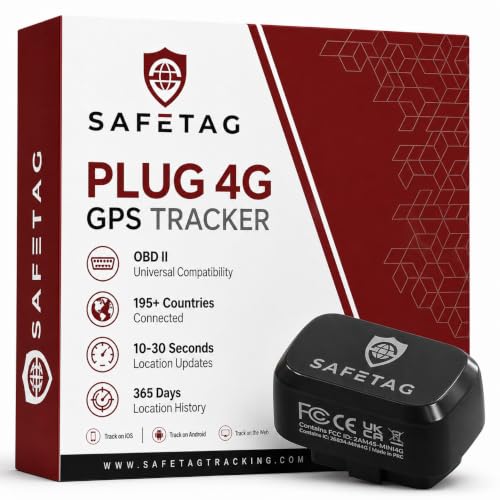
Easy Plug & Play Self-Install - Every car manufactured after 2001 has an OBD-2 port It's location is just a quick google search away and then all you have to do is plug it in, it's really that easy!

✅️ REAL-TIME TRACKING & PRECISE VEHICLE LOCATION: Powered by the Find My network, this GPS tracker for vehicles delivers fast, accurate location updates directly in the Find My app. See your vehicle’s precise location whether it is parked nearby, moving across town, or farther away, so you can stay connected wherever the road takes it.

【Real-Time GPS Tracker for Vehicles with No Monthly Fees】This professional tracker device for vehicles delivers stable long-distance real-time location monitoring for automotive assets, with zero hidden costs. No SIM card, mandatory subscriptions or monthly fees are required, making it a cost-effective, hassle-free tracking solution for personal cars, motorcycles, trucks, trailers and commercial fleet vehicles.
Key Safety Systems for Tenerife Driving
Driving in Tenerife presents unique challenges and opportunities, making it essential to understand the key safety systems in place. From well-maintained roads to effective traffic regulations, these systems are designed to enhance driver safety and ensure a smoother journey. Familiarizing yourself with these features can help you navigate the island with confidence.
-
Anti-lock Braking System (ABS): Helps maintain control during sudden stops.
-
Electronic Stability Control (ESC): Prevents skidding and loss of control.
-
GPS Navigation: Assists in route planning and avoids getting lost.
Driving Safety Tips for Tenerife Roads
Driving in Tenerife can present unique challenges due to its diverse terrain and varying road conditions. Understanding local traffic rules, common hazards, and safe driving practices is essential for a secure experience on the island’s roads. This section offers practical tips to help ensure your safety while navigating Tenerife’s scenic routes.
Always remain vigilant and adapt to changing road conditions. Accidents can occur quickly, especially in unfamiliar environments.
Vehicle Condition Assessment for Safe Driving
Assessing the condition of your vehicle is crucial for ensuring safe driving in Tenerife. The island’s diverse terrain and varying weather conditions can pose unique challenges, making it essential to evaluate your car’s readiness for the journey ahead. This section provides key insights into the necessary checks and maintenance tasks to help you navigate Tenerife’s roads confidently.
-
Check vehicle condition: Ensure brakes, tires, and lights are functioning.
-
Review local laws: Familiarize yourself with any recent changes.
-
Plan your route: Use maps or GPS for navigation.
By following these guidelines, you can enhance your driving experience in Tenerife and ensure a safer journey across the island’s diverse landscapes.
Recommended Products
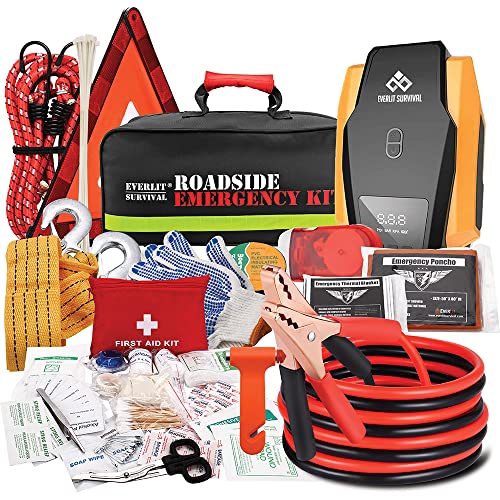
The Road Guardian- The portable roadside assistance kit is designed and hand picked by a group of experienced veterans and experts to provide every essential tools you need in roadside emergencies. The automotive safety bag contains accessories such as repair cable ties, bungee cords, electrical tape, space blanket, rain poncho, reflective warning triangle, glass breaker, seatbelt cutter, safety gloves, tow rope and more to get your vehicle back on the road and continue your travel.

Portable & Compact: The car safety kit is designed to fit neatly into an organizer bag, allowing for easy storage in either the backseat or trunk of your vehicle. This ensures that all essential safety items are kept together and easily accessible in case of an emergency. By keeping the kit organized and readily available, you can be better prepared for unexpected situations while on the road

If your car is parked at the scene of an accident waiting to be rescued, you may need this car emergency kit
