


Driving in Rio de Janeiro can pose safety concerns due to high crime rates and traffic conditions. However, with proper precautions and awareness, it is possible to navigate the city safely. This guide outlines essential safety tips and logistics for driving in Rio.
Navigating Rio de Janeiro Traffic Challenges
Driving in Rio de Janeiro presents unique challenges that can test even the most experienced motorists. From congested streets to unpredictable weather conditions, understanding the local traffic dynamics is essential for ensuring a safe journey. This section delves into the specific obstacles drivers may face while navigating the vibrant yet chaotic roadways of this iconic Brazilian city.
Driving in Rio de Janeiro involves navigating congested roads and understanding local driving behaviors. Traffic can be unpredictable, especially during peak hours. Drivers should be aware of common issues such as:
-
Aggressive driving: Expect sudden lane changes and limited adherence to traffic rules.
-
Pedestrian activity: Watch for pedestrians crossing unexpectedly, particularly in busy areas.
-
Public transportation: Buses and taxis often stop abruptly, requiring careful attention.
Rio de Janeiro Travel Safety Overview
Traveling in Rio de Janeiro can be an exhilarating experience, but safety concerns are paramount for visitors. Understanding the local environment, potential risks, and safety measures is essential for a secure trip. This overview provides key insights into navigating the vibrant yet complex landscape of Rio, helping travelers make informed decisions.
| Safety Concern | Primary Suspect | Difficulty (1-5) |
|---|---|---|
| High crime rates | Theft and robbery | 4 |
| Poor road conditions | Potholes and debris | 3 |
| Aggressive driving | Local driving culture | 4 |
| Language barriers | Communication issues | 2 |
Vehicle Readiness for Driving in Rio
When considering a drive through the vibrant streets of Rio de Janeiro, ensuring your vehicle is in optimal condition is crucial. The unique driving conditions and varied terrain can pose challenges, making vehicle readiness a key factor in your safety. This section will outline essential checks and preparations to help you navigate the city confidently.
Before driving in Rio, ensure your vehicle is in optimal condition. Check the following:
-
Tires: Inspect for wear and ensure proper inflation.
-
Brakes: Confirm that brakes are responsive.
-
Lights: Ensure all lights are functioning, including headlights and taillights.
Recommended Products
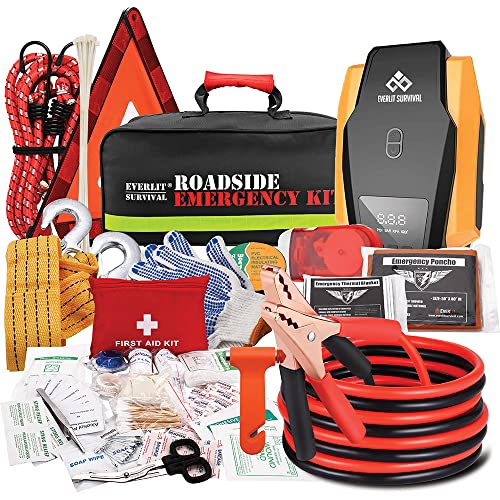
The Road Guardian- The portable roadside assistance kit is designed and hand picked by a group of experienced veterans and experts to provide every essential tools you need in roadside emergencies. The automotive safety bag contains accessories such as repair cable ties, bungee cords, electrical tape, space blanket, rain poncho, reflective warning triangle, glass breaker, seatbelt cutter, safety gloves, tow rope and more to get your vehicle back on the road and continue your travel.

If your car is parked at the scene of an accident waiting to be rescued, you may need this car emergency kit

【MULTI-PURPOSE】 : Perfect for the home, workplace, cars, it also includes preparedness survival tools for outdoor activities like camping, hiking, hunting. Manufactured in a modern facility that provides products for lifeguard agencies, hospitals, and schools
Critical Driving Supplies for Rio Safety
Driving in Rio de Janeiro presents unique challenges, making it essential to be well-prepared. Understanding the critical supplies needed for a safe journey can significantly enhance your driving experience in this vibrant city. From navigation tools to emergency kits, being equipped can help you navigate both the roads and the local environment with greater confidence.
Carrying the right supplies can enhance safety. Consider packing:
-
First aid kit: For minor injuries.
-
Emergency tools: A jack, tire iron, and flashlight.
-
Navigation system: GPS or a reliable map app.
Crime Hotspot Awareness in Rio de Janeiro
Understanding the crime landscape in Rio de Janeiro is crucial for travelers seeking safety while navigating the city. This section delves into specific areas known for higher crime rates, providing insights into potential risks and precautions to take. By being informed, visitors can make better decisions and enhance their overall experience in this vibrant yet challenging destination.
Certain areas in Rio are known for higher crime rates. Familiarize yourself with these locations to avoid potential danger. Common hotspots include:
-
Favelas: While some are safe to visit with a guide, driving through them can be risky.
-
Tourist areas: Be cautious in crowded places where pickpockets operate.
Recommended Products

DOUBLE PROTECTION DESIGN&EASY TO USE:The steering wheel lock adopts the humanized design of four locking hooks and twin bars, which can be locked on the steering wheel more firmly and with a sense of security.The car theft prevention device is easy to use, install and remove. It's simple to lock and unlock with keys in seconds!

【EASY TO USE AND STORE】:The car theft prevention device is easy to use, install and remove. It's simple to lock and unlock with keys in seconds once you get the hang of the car wheel lock.Put it away under the seat or in the door compartment when not in use. Very convenient!

Premium Quality Construction: Crafted with a robust steel structure and special heat treatment, this steering wheel lock is built to withstand attempts at cutting or sawing. The high-strength materials and precision manufacturing provide long-lasting protection for your vehicle. This car steering wheel lock ensures durability and effective security for your vehicle.
Driving Safety Measures in Rio de Janeiro
Driving in Rio de Janeiro presents unique challenges, making it essential for travelers to understand local safety measures. From navigating bustling streets to dealing with unpredictable weather, being informed can significantly enhance your experience. This section outlines key driving safety measures to help ensure a secure journey through this vibrant city.
Implement strategies to minimize risks while driving:
-
Lock doors: Keep doors locked at all times.
-
Avoid distractions: Stay focused on the road and surroundings.
-
Limit valuables: Keep expensive items out of sight.
Safe Driving Routes in Rio de Janeiro
Navigating the bustling streets of Rio de Janeiro can be challenging, but knowing the safest driving routes can enhance your travel experience. This section highlights key roads and areas that are considered secure for drivers, helping you avoid potential hazards while exploring the vibrant city. Understanding these routes is essential for a smoother journey through Rio’s diverse neighborhoods.
Understanding the layout of Rio is crucial for safe driving. Key considerations include:
-
Traffic signals: Follow local traffic signals and signs diligently.
-
Roundabouts: Yield to traffic already in the roundabout.
-
Parking: Use designated parking areas and avoid street parking in high-crime zones.
Recommended Products

【Free Lifetime Map Update】s: Plug and Play! The GPS navigator for car is preloaded with the 2025 latest North American maps, which include 101 regions in the United States, Canada, and Mexico. Free lifetime map updates, only one-time purchase, lifetime enjoyment. The map can be viewed in 2D/3D mode, and the units can be changed between miles/feet/yards and kilometers/meters.

High quality detailed vector map is stored on the phone

Smart Audio & On-Screen Alerts - Voice guidance and visual prompts work together to make navigation easy to follow. With support for 29 languages, the system provides reminders for speed limits, lane assist, turns, cameras, and route changes, helping drivers stay aware while focusing on the road.
Essential Navigation Tools for Rio Safety
Navigating the bustling streets of Rio de Janeiro requires more than just local knowledge; it demands the right tools to ensure safety and efficiency. This section explores essential navigation resources that can help travelers avoid risky areas and enhance their overall experience in this vibrant city. Understanding these tools is crucial for a safer journey through Rio’s diverse neighborhoods.
Using reliable navigation tools can help you avoid dangerous areas. Consider:
-
Google Maps: Offers real-time traffic updates and route suggestions.
-
Waze: Provides alerts for hazards and traffic conditions.
Emergency Response Guidelines for Rio
When traveling in Rio de Janeiro, understanding the local emergency response protocols is crucial for ensuring your safety. This section outlines essential guidelines to follow in case of an emergency, including contact numbers and recommended actions. Being prepared can make a significant difference in navigating unexpected situations while exploring this vibrant city.
In case of an emergency, knowing how to respond is vital. Follow these steps:
-
Contact local authorities: Dial the emergency number for police assistance.
-
Seek help: If you feel threatened, look for a nearby police station or busy public area.
-
Insurance information: Keep your insurance details handy for accidents.
Essential Emergency Contacts for Travelers
When traveling in Rio de Janeiro, knowing whom to contact in case of an emergency is crucial for your safety. This section provides essential emergency contacts that every traveler should have on hand, ensuring you are prepared for any situation that may arise during your visit to this vibrant city.
Keep a list of important contacts readily available:
| Contact Type | Phone Number |
|---|---|
| Local police | 190 |
| Medical emergency | 192 |
| Fire department | 193 |
| Your embassy | [Insert number] |
Driving Safety Considerations in Rio de Janeiro
Driving in Rio de Janeiro presents unique challenges that travelers should be aware of. From navigating busy streets to understanding local driving customs, safety considerations are crucial for a smooth experience. This section delves into the specific factors that influence driving safety in this vibrant city.
Driving in Rio de Janeiro requires vigilance and preparation. Remain alert to your surroundings and follow local driving customs. Always prioritize safety over convenience.
