


Driving in 60 MPH winds poses significant risks to vehicle stability and control. It is generally unsafe to drive under such conditions due to the potential for loss of control, especially for lighter vehicles.
Driving Risks in 60 MPH Wind Gusts
Wind can dramatically affect vehicle handling. At 60 MPH, gusts can push vehicles off course, especially those that are taller or lighter. Drivers must remain vigilant and adjust their driving techniques to maintain control. Factors such as vehicle type, load, and road conditions play crucial roles in how wind affects driving.
Vehicle Wind Resistance by Type
Understanding how different vehicle types respond to high winds is crucial for safe driving in adverse weather conditions. Each vehicle’s design and weight distribution affect its wind resistance, which can significantly influence handling. This section explores the wind resistance characteristics of various vehicle types to help drivers make informed decisions during windy conditions.
Different vehicles respond uniquely to high winds. Understanding these differences can help drivers make informed decisions.
| Vehicle Type | Wind Resistance | Recommended Action |
|---|---|---|
| SUVs | Moderate | Reduce speed and maintain a firm grip on the wheel |
| Trucks | High | Stay alert for sudden gusts that may sway the vehicle |
| Sedans | Low | Avoid driving if possible; seek shelter |
| Motorcycles | Very Low | Do not attempt to ride in such conditions |
Larger vehicles like trucks and SUVs have a higher center of gravity and can be more susceptible to wind. Sedans and motorcycles are at greater risk of being pushed off course. Drivers should evaluate their vehicle’s characteristics before deciding to drive.
Safe Driving Strategies for 60 MPH Winds
Driving in 60 mph winds presents unique challenges that can significantly impact vehicle control and safety. Understanding effective strategies for navigating these conditions is essential for minimizing risks on the road. The following section outlines practical tips to enhance your driving skills and ensure safety when faced with such high winds.
Preparation is essential for safe driving in windy conditions. Drivers should take proactive steps to minimize risks.
-
Check Weather Reports: Stay informed about wind speeds and gusts.
-
Inspect Vehicle: Ensure tires are properly inflated and brakes are functioning.
-
Secure Cargo: Make sure any loads are tightly secured to prevent shifting.
Preparation can significantly reduce the likelihood of accidents caused by unexpected wind gusts. Always prioritize safety over convenience.
Recommended Products

3-IN-1 Multifuctional Design: Quickly and accurately inflate, deflate and measure all vehicle tires

ACCURATE: Performance-tested and calibrated. Measures in pounds per square inch (PSI, 10-160, 2-lb. increments). Kilopascal readings also available per special order (kPa, 80-840, increments of 20)

Material: Made from heavy-duty stainless steel and brass components for long-lasting performance, superior construction.
Safe Driving Strategies in 60 MPH Winds
Driving in winds reaching 60 mph presents unique challenges that can significantly impact vehicle control and safety. Understanding effective strategies for navigating such conditions is crucial for minimizing risk and ensuring a safer driving experience. The following tips will help drivers manage their vehicles more effectively in these high-wind scenarios.
Adapting driving techniques is vital when facing high winds. Implementing specific strategies can enhance control.
-
Reduce Speed: Slower speeds improve vehicle stability.
-
Grip the Wheel Firmly: Maintain a strong grip to counteract sudden gusts.
-
Avoid Sudden Movements: Make gradual adjustments to steering and braking.
These techniques help maintain control and reduce the risk of losing traction. Drivers should practice these methods regularly to ensure preparedness.
Identifying High Wind Driving Hazards
Driving in high winds presents unique challenges that can significantly impact vehicle control and safety. Understanding the specific hazards associated with strong gusts is crucial for drivers to make informed decisions on the road. This section will explore the various factors that contribute to high wind driving risks and how they can affect your driving experience.
Being aware of warning signs can prevent accidents. Certain indicators suggest that driving in high winds may be unsafe.
-
Vehicle Swaying: If the vehicle begins to sway, it is crucial to reduce speed.
-
Difficulty Steering: If steering becomes unresponsive, pull over safely.
-
Debris on Road: Watch for fallen branches or other hazards that may indicate strong winds.
Recognizing these signs can help drivers make timely decisions to avoid dangerous situations. Always err on the side of caution.
Recommended Products

【Improving Safety】: The deer warning whistle is an important safety device. When air passes over the deer whistle, it will emit a loud whistle or ultrasonic sound. This sound alerts deer, elk, antelope and kangaroo to stay away from vehicles, effectively preventing animals from colliding with your vehicle.

【High-Quality Material】: This LED wind energy car light is made of high-quality ABS and an electroplated layer. It is waterproof and anti-fog, tough and impact-resistant, with good weather resistance and corrosion resistance. It can adapt to various complex weather conditions, is not easy to crack, deform, or age, and has a long service life.
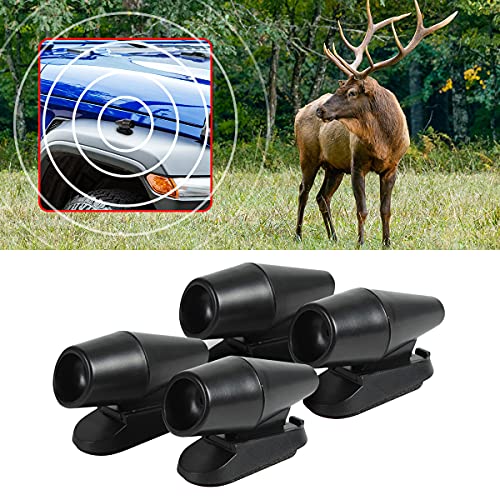
Note!!!: Compatible with all cars, vehicles, SUVs, trucks, ATVs, Motorcycles and more. The range is 1/4 mile and only works when the car's driving speed is at least 35mph.Our deer warning devices is friendly for deers and other animals, such as elk, moose, antelope and kangaroos. Saving animals and increase your driving safety also reduce vehicle collisions at the same time.
Safe Travel Methods in High Wind Conditions
Driving in high wind conditions presents unique challenges that can significantly impact vehicle control and safety. Understanding safe travel methods is essential for navigating these situations effectively. This section explores practical strategies and tips to enhance your safety while driving in winds reaching 60 mph.
When wind conditions are severe, alternative transportation may be necessary. Exploring other options can enhance safety.
-
Public Transit: Buses and trains often operate safely in high winds.
-
Ride-Sharing Services: Consider using ride-sharing for short distances.
-
Delay Travel: If possible, postpone trips until conditions improve.
Utilizing these alternatives can help avoid risks associated with driving in high winds. Safety should always be the top priority.
Driving Safety Tips for 60 MPH Winds
Driving in 60 mph winds presents unique challenges that can significantly impact vehicle control and safety. Understanding how to navigate these conditions is crucial for minimizing risks on the road. The following tips provide essential guidance for maintaining safety and handling effectively in such high-wind scenarios.
Driving in 60 MPH winds is generally unsafe. Drivers should assess conditions carefully and consider alternatives to ensure safety. Always prioritize vehicle control and personal safety over travel urgency.
Recommended Products

Collapsible Design:Collapsible traffic cones are 18 inches in height, can be easily collapses down to 1.4" in height for easy storage that does not take up space. Simply push down on the top to collapse, and pull when ready to use again. (Note: Easier to stack the telescopic section joints by pressing)

Premium Quality TAC Material: All lens are made of high quality shatterproof TAC material that is durable enough for prolonged wearing.Light weight PC frame design is ideal for any outdoor activities, scratch resistant and unbreakable. Rich colors of the lenses combine fashion with sports and is suitable for men and women

UV Protection, Anti-wind, Dustproof. Waterproof and High Quality.
