


Driving after a night of insufficient sleep poses significant risks, comparable to driving under the influence of alcohol. Studies indicate that drowsy driving can impair reaction times and decision-making abilities, leading to accidents. Understanding the dangers and recognizing the signs of drowsiness can help mitigate these risks.
Drowsy Driving Impact and Safety Statistics
Drowsy driving is a serious issue affecting road safety. The National Highway Traffic Safety Administration estimates that drowsy driving is responsible for thousands of crashes annually. Fatigue can lead to slower reaction times, impaired judgment, and decreased awareness of surroundings. Recognizing these statistics is crucial for understanding the severity of the problem.
| Statistic | Value |
|---|---|
| Annual fatalities due to drowsy driving | 6,000+ |
| Percentage of drivers who admit to drowsy driving | 30% |
| Risk of crashing when sleep-deprived | 3 times higher |
Drowsiness Symptoms to Watch While Driving
Drowsiness can significantly impair driving abilities, making it crucial to recognize its symptoms. Understanding the signs of fatigue can help prevent accidents and ensure safer road conditions. This section outlines key symptoms to watch for while driving, enabling drivers to make informed decisions about their ability to stay alert behind the wheel.
Identifying the signs of drowsiness can prevent accidents. Common symptoms include frequent yawning, difficulty focusing, and drifting out of lanes. Drivers should be aware of these indicators to avoid dangerous situations.
-
Frequent yawning
-
Blurred vision
-
Difficulty remembering the last few miles driven
-
Trouble keeping eyes open
Recommended Products

Put it behind your right ear, Alerts when the for head lower in the degrees of 15° to 20°.

[DETECTION METHOD] Ear-worn tilt sensor detects head nodding within 15-25° range, triggering immediate alerts to prevent drowsy driving accidents. Ideal for long highway drives.

[LIFESAVING SAFETY ALERT] Most traffic accidents stem from fatigue driving, and this device acts as your personal guardian. It detects head tilt angles between 15 25 degrees and sounds a discreet alarm to snap you out of drowsiness, helping prevent accidents before they happen and keeping you safe on the road or during critical tasks.
Drowsy Driving Contributing Factors
Drowsy driving poses significant risks, and understanding its contributing factors is essential for promoting road safety. Various elements, such as sleep deprivation, medication effects, and time of day, can heighten the likelihood of falling asleep behind the wheel. By examining these factors, we can better grasp the dangers associated with drowsy driving and encourage safer driving practices.
Several factors contribute to drowsy driving. Understanding these can help individuals make informed decisions about driving after inadequate sleep.
-
Sleep deprivation: Lack of sleep increases risk.
-
Time of day: Late-night and early-morning hours are critical.
-
Medications: Certain medications can cause drowsiness.
-
Alcohol consumption: Even small amounts can exacerbate fatigue.
Drowsy Driving Prevention Strategies
Understanding how to prevent drowsy driving is essential for ensuring safety on the road. With the risks associated with driving after a lack of sleep, implementing effective strategies can significantly reduce the likelihood of accidents. This section outlines practical measures to help drivers stay alert and avoid the dangers of drowsy driving.
Taking proactive steps can significantly reduce the risk of drowsy driving. Here are effective strategies to stay alert on the road.
-
Plan trips to avoid driving during peak fatigue hours.
-
Take regular breaks during long drives.
-
Share driving responsibilities with others if possible.
-
Use caffeine strategically to enhance alertness temporarily.
Recommended Products
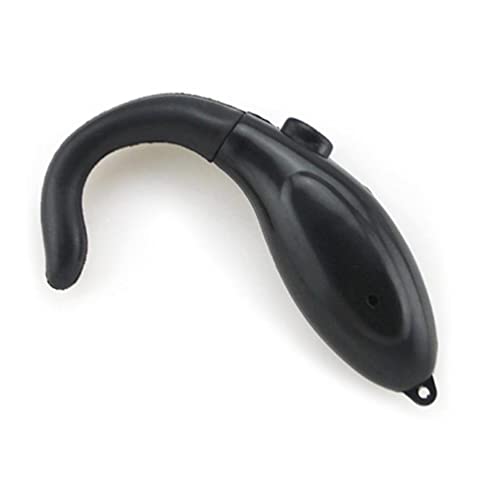
Driver safety alarm can help prevent accidents caused by driver's sleep when driving.

Every person needs one for whenever you have to drive for a long time. When your head drops an alarm sounds and you are back on track. Great for a long-distance trip driving primarily at night.

Drowsiness Safety Reminder: Many road safety risks stem from drowsiness while driving or working. This wearable device triggers an instant alert once you start feeling sleepy, prompting you to stay focused and lowering the chance of accidents caused by loss of concentration during long hours of work or travel.
Sleep and Alertness Strategies for Drivers
Sleep deprivation significantly impacts alertness and reaction times, making it crucial for drivers to adopt effective strategies to combat drowsiness. Understanding how sleep affects driving performance can help mitigate risks on the road. This section explores practical approaches to enhance alertness and ensure safer driving experiences.
Implementing practical logistics can enhance safety. Drivers should establish a routine that prioritizes sleep and alertness.
| Action | Recommendation |
|---|---|
| Sleep schedule | Aim for 7-9 hours of sleep |
| Breaks | Take a 15-minute break every two hours |
| Caffeine | Limit intake to avoid crashes |
Sleep Disorders and Driving Safety Risks
Sleep disorders significantly impact driving safety, as they can lead to drowsiness and impaired reaction times. Understanding the connection between various sleep conditions and the risks associated with drowsy driving is crucial for promoting safer roadways. This section delves into the specific sleep disorders that pose the greatest threats to drivers and the statistics that highlight these dangers.
Sleep disorders can have a profound effect on driving safety. Conditions like sleep apnea can lead to excessive daytime sleepiness. Understanding these disorders is crucial for those who frequently drive.
-
Sleep apnea: Causes interrupted sleep, leading to fatigue.
-
Insomnia: Difficulty falling or staying asleep increases risk.
-
Narcolepsy: Sudden sleep attacks can be dangerous while driving.
Recommended Products
Put it behind your right ear, Alerts when the for head lower in the degrees of 15° to 20°.

Experience Peaceful Nights - Our anti snore device automatically detects snoring and stimulates the wrist to encourage a change in position, effectively reducing snoring without disturbing your sleep.

Drowsy Driving Legal Risks and Penalties
Drowsy driving poses significant legal risks that can lead to severe penalties for those involved in accidents. Understanding the legal implications of driving while fatigued is crucial, as it can affect liability in accidents and result in fines or even criminal charges. This section explores the potential consequences of drowsy driving from a legal perspective.
Drowsy driving can lead to severe legal repercussions. If involved in an accident, drivers may face liability claims and penalties. Understanding the legal implications is essential for responsible driving.
-
Increased insurance rates: Accidents can lead to higher premiums.
-
Legal liability: Drivers may be held accountable for damages.
-
Criminal charges: In severe cases, charges may be filed.
Drowsy Driving Awareness and Safety Tips
Drowsy driving poses significant risks, often underestimated by many drivers. Understanding the dangers associated with fatigue behind the wheel is crucial for ensuring safety on the road. This section provides essential awareness and practical tips to help mitigate the risks of drowsy driving and promote safer travel habits.
Drowsy driving is a preventable risk that requires awareness and action. Prioritizing sleep and recognizing signs of fatigue can save lives. Always evaluate your alertness before getting behind the wheel.
