


Driving after giving birth can be safe, but it depends on individual recovery and circumstances. Many women can resume driving within two weeks postpartum, provided they feel physically and mentally prepared.
Postpartum Recovery Healing Factors
Postpartum recovery varies significantly among women. Factors influencing recovery include the type of delivery, overall health, and any complications experienced during childbirth. Generally, the body requires time to heal, particularly if there was a cesarean section or significant tearing during vaginal delivery.
Physical readiness is crucial before getting behind the wheel. Women should assess their pain levels, mobility, and mental clarity. Consulting a healthcare provider can provide personalized advice based on individual circumstances.
Postpartum Driving Recovery Benchmarks
After giving birth, many new parents wonder about the safety of resuming driving. Understanding the key benchmarks for postpartum recovery can help ensure that both the mother and her baby remain safe on the road. This section outlines important factors to consider before getting behind the wheel again.
Understanding recovery milestones can help in making informed decisions about driving. Here are some common benchmarks:
| Milestone | Timeframe | Considerations |
|---|---|---|
| Vaginal delivery recovery | 6-8 weeks | Pain levels and mobility |
| Cesarean section recovery | 8-12 weeks | Surgical site healing |
| Mental clarity | Varies | Emotional well-being |
Women should prioritize their physical and emotional health before driving.
Evaluate Postpartum Driving Readiness
After giving birth, many new parents wonder about their readiness to return to driving. Evaluating postpartum driving readiness involves understanding physical recovery, emotional well-being, and potential challenges that may affect safety on the road. It’s essential to consider these factors to ensure a safe transition back to driving responsibilities.
Before driving, women should evaluate their physical readiness. This assessment includes checking for pain, mobility, and reflexes.
-
Pain levels: Ensure pain is manageable and does not hinder concentration.
-
Mobility: Confirm the ability to turn and look over the shoulder comfortably.
-
Reflexes: Test reaction times to ensure they are quick and responsive.
A healthcare provider can give a thorough evaluation and offer guidance on when it is safe to drive.
Postpartum Driving Warning Signs
After giving birth, many new parents are eager to resume their normal activities, including driving. However, postpartum recovery can come with physical and emotional challenges that may impair driving ability. Recognizing the warning signs that indicate when it’s unsafe to drive is crucial for ensuring both personal safety and the safety of others on the road.
Certain symptoms may indicate that driving is not yet advisable. These include:
-
Severe pain while sitting
-
Dizziness or lightheadedness
-
Difficulty concentrating
-
Emotional distress or anxiety
If any of these symptoms are present, it is best to wait before driving.
Postpartum Mental Readiness for Driving
After giving birth, many new parents face the challenge of resuming everyday activities, including driving. Postpartum mental readiness is a crucial aspect of this transition, as emotional and psychological changes can impact a new parent’s ability to focus and react on the road. Understanding these factors can help ensure both safety and confidence behind the wheel.
Mental readiness is as important as physical readiness when it comes to driving postpartum. Hormonal changes and sleep deprivation can affect focus and decision-making abilities.
-
Sleep deprivation: New mothers often experience disrupted sleep, impacting alertness.
-
Emotional state: Feelings of anxiety or sadness can impair concentration.
Women should evaluate their emotional well-being and consider seeking support if needed.
Postpartum Support Systems for Driving Readiness
Navigating the transition to driving after giving birth involves understanding the unique challenges of postpartum recovery. Support systems play a crucial role in ensuring new mothers feel confident and safe behind the wheel. This section explores various resources and strategies that can aid in assessing driving readiness during this important period.
Utilizing support systems can enhance recovery and readiness for driving. Consider these options:
-
Family assistance: Rely on family members for help with errands.
-
Professional counseling: Seek therapy for emotional support.
-
Peer groups: Join postpartum support groups for shared experiences and advice.
Engaging with these resources can aid in achieving a stable mental state.
Postpartum Vehicle Safety Essentials
After giving birth, many new parents wonder about the safety of driving during the postpartum recovery period. Understanding the essential guidelines and considerations for vehicle safety can help ensure both the mother’s well-being and the safety of her newborn. This section outlines key factors to keep in mind when getting back behind the wheel after childbirth.
Before driving, ensure the vehicle is equipped with necessary safety features. This includes:
-
Backup cameras: Enhance visibility while reversing.
-
Blind-spot monitoring: Help detect vehicles in blind spots.
-
Adaptive cruise control: Maintain safe distances automatically.
These features can reduce stress and enhance safety while driving postpartum.
Recommended Products

Easy to Install: The backup camera for car takes only 25 minutes from start to finish installation, just 2 steps: ① First connect the camera and monitor through the 4-pin video power cable made of 3.0MM pure copper that comes with the camera. ② Then plug the backup camera system into the cigarette lighter, manual switch, plug and play. Or you can also connect it to the reversing lights only as a reversing use, automatically triggering the reversing image when reversing
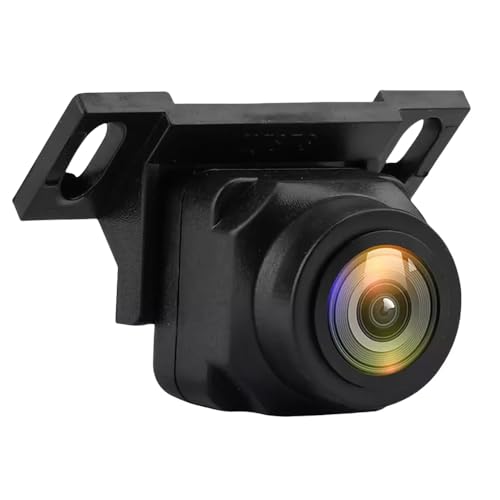
Universal Fit for Most Vehicles: Compatible with cars, trucks, SUVs, RVs, vans, pickups, campers, and trailers. Works with most aftermarket monitors, navigation systems, or reverse display screens (RCA video input required)
Postpartum Driving Safety Tips
Driving after giving birth requires careful consideration of both physical recovery and mental readiness. New mothers may face challenges such as fatigue, pain, or emotional fluctuations that can impact their driving abilities. Understanding essential safety tips can help ensure a smoother transition back to the road during the postpartum period.
Adopting safe driving practices is essential for new mothers. Consider the following tips:
-
Avoid distractions: Keep the phone out of reach and minimize noise.
-
Plan routes: Choose familiar routes to reduce anxiety.
-
Limit travel time: Start with short trips to build confidence.
Implementing these practices can create a safer driving experience.
Postpartum Driving Safety Assessment
After giving birth, many new parents wonder about the safety of driving during their postpartum recovery. This section evaluates the key factors that influence driving readiness, including physical recovery, emotional well-being, and potential complications. Understanding these elements can help new parents make informed decisions about when it’s safe to return to the road.
Driving after giving birth can be safe if physical and mental readiness is assessed. Consult a healthcare provider for personalized guidance and ensure that both vehicle safety and driving practices are prioritized.
Recommended Products

POSTPARTUM RECOVERY SUPPORT: Our postpartum belly wrap features 3-point adjustable compression technology to prevent that "falling out" sensation; Designed to help new moms sit, stand, & move confidently during the critical healing weeks after childbirth

3-in-1 Postpartum Belly Band in 4 Sizes : S/M, L, XL, and 2XL(size details please refer to the description.). Your trusted set of post partum recovery belts for the stomach, waist, and pelvis. ChongErfei 3-in-1 postpartum belly wrap are specially designed for postpartum moms, to support your tummy and strengthen your core muscles after childbirth. It can help you flatten the tummy, restore uterus to its original size sooner. After-birth support recommended by medical doctors .

KeaBabies Revive 3 in 1 Postpartum Belly Binder in 3 Sizes: M/L, XL, and 2XL. Our trusted post partum recovery belts for stomach, pelvis, hip & waist supports. Wear one, two, or three belts based on your recovery stage. Recommended by doctors.
