


Driving a car with electrical problems is generally unsafe and can lead to serious hazards. Issues like faulty wiring or malfunctioning sensors can compromise vehicle control and safety features, increasing the risk of accidents.
Recognizing Vehicle Electrical Issues Early
Electrical problems can manifest in various ways, affecting multiple systems in your vehicle. Common symptoms include flickering lights, malfunctioning dashboard indicators, and unresponsive power windows. Recognizing these signs early can help prevent further damage and ensure your safety on the road.
| Symptom | Primary Suspect | Difficulty (1-5) |
|---|---|---|
| Flickering dashboard lights | Bad ground connection | 3 |
| Non-functioning power windows | Faulty window motor | 2 |
| Engine not starting | Dead battery | 1 |
| ABS warning light on | Faulty ABS module | 4 |
Common Electrical Problem Triggers
Electrical issues in vehicles can arise from various triggers, leading to potential safety hazards on the road. Understanding these common problems is essential for drivers to recognize warning signs and take appropriate action before they escalate. Identifying the root causes of electrical malfunctions can help ensure both vehicle reliability and driver safety.
Understanding the root causes of electrical problems is essential for effective troubleshooting. Common issues include:
-
Corroded connections that disrupt electrical flow
-
Worn-out wiring that can short circuit
-
Faulty fuses that prevent power distribution
-
Weak batteries that fail to provide adequate voltage
Each of these factors can lead to significant safety hazards while driving.
Step-by-Step Fix for Electrical Problems
Electrical problems in a vehicle can pose significant safety hazards, affecting everything from headlights to essential dashboard indicators. Understanding how to diagnose and address these issues is crucial for maintaining vehicle safety and performance. The following step-by-step guide provides practical solutions to help drivers navigate and resolve common electrical problems effectively.
Addressing electrical issues requires a systematic approach. Follow these steps to diagnose and fix common electrical problems:
-
Inspect the battery for corrosion and clean terminals.
-
Check fuses for any that may be blown and replace as needed.
-
Examine wiring for signs of wear or damage.
-
Test electrical components like lights and motors for functionality.
This process can help identify the root cause of the issue and restore proper vehicle function.
Recommended Products


【PRECISE READOUTS & CLEAR DIGITAL DISPLAY】Bright LED display shows highly clear readings in any lighting condition, 0.1V resolution gives you reliable indication and shows you the voltage number easily & quickly. Bidirectional light emitting diode on the circuit board for easy battery load testing, red light indicates positive polarity, green light indicates negative polarity.

Driving Risks from Electrical Failures
Electrical problems in a vehicle can lead to a range of safety hazards that may compromise your ability to drive safely. Understanding the risks associated with electrical failures is crucial for any driver, as these issues can affect critical systems like brakes, steering, and lights. Recognizing the signs of electrical malfunctions can help prevent dangerous situations on the road.
Driving with electrical problems poses significant safety risks. Key hazards include:
-
Loss of control due to malfunctioning brakes or steering systems
-
Inability to signal or communicate with other drivers
-
Unexpected engine shutdowns that can lead to accidents
Each of these issues can escalate quickly, making it crucial to address electrical problems immediately.
Recommended Products
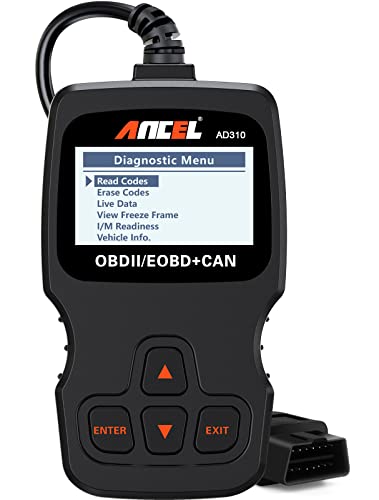
CEL Doctor: The ANCEL AD310 is one of the best-selling OBD II scanners on the market and is recommended by Scotty Kilmer, a YouTuber and auto mechanic. It can easily determine the cause of the check engine light coming on. After repairing the vehicle's problems, it can quickly read and clear diagnostic trouble codes of emission system, read live data & hard memory data, view freeze frame, I/M monitor readiness and collect vehicle information

Multi-Functions - Practical Multi-Functions OBD2 code reader features built-in OBD2 DTC lookup library, which help you to determine the cause of the engine light, read code, erase code, view freeze frame, I/M ready, vehicle information, data flow, real-time curve, get vehicle speed information, calculate load value, engine coolant temperature, get engine speed.

⚠️【Important Tips Before Purchcase】1. Compatible with standard OBD II vehicles from 1996 onward in the US market. ⚠️2. Due to the Safe Gateway (SGW) / FCA AutoAuth security system, this tool cannot access OBDII modules to clear codes for FCA vehicles (including Chrysler, Dodge, Jeep, etc.) manufactured after 2017. ⚠️And vehicle brands equipped with a SGW are not supported either. ⚠️3. Not support TPMS or other service functions. Only the basic OBDII code reader. Functions not universal, please s-end mes-sage via Ama-zon or 📞autelofficial @ outlook . com📞 to check before order.
Electrical Problem Warning Indicators
Electrical problems in a vehicle can manifest through various warning indicators, signaling potential safety hazards. Recognizing these signs is crucial for drivers to ensure their safety and the reliability of their vehicle. Understanding what to look for can help prevent accidents and costly repairs down the line.
Be vigilant for specific warning signs that indicate electrical issues. These include:
-
Sudden changes in dashboard light behavior
-
Unusual sounds from the electrical system
-
Difficulty starting the engine
Ignoring these signs can lead to more severe problems and increased repair costs.
Electrical Issues by Vehicle Type
Understanding how electrical problems affect different types of vehicles is crucial for assessing safety on the road. Each vehicle type may present unique challenges and risks associated with electrical malfunctions. This section explores the specific electrical issues that can arise in various vehicles, helping drivers recognize potential hazards and make informed decisions about their safety.
Different vehicle types may exhibit unique electrical issues. Here are some common problems associated with various models:
-
Sedans often face battery-related issues due to frequent short trips.
-
SUVs may experience wiring problems due to off-road use and wear.
-
Trucks can have issues with trailer wiring and connections.
Understanding these nuances can help in preventative maintenance.
Recommended Products
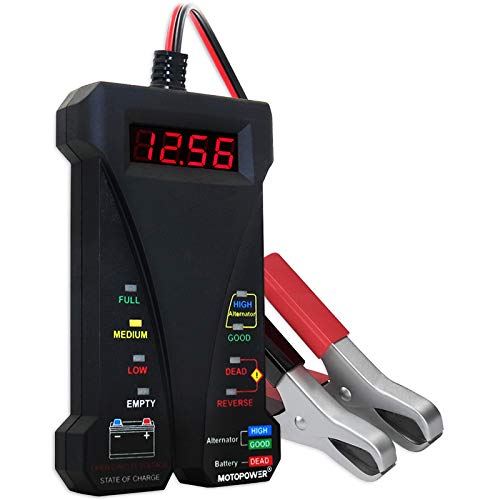
Effortless Operation - Boasting a “plug-and-test” design, there's no need for complex set-up procedures. Just connect it to the battery following simple steps. Without starting the vehicle, you can read the battery status, and after starting, quickly obtain the alternator status. Whether you're a professional mechanic or an ordinary car owner, you can easily use it to quickly determine if the battery needs jump - starting, replacement, or if the alternator output is normal.


The CR2430 battery sold by SKOANBE has more powerful electricity, allowing you to find your vehicle and open the door faster and more conveniently
Electrical System Maintenance Strategies
Maintaining your vehicle’s electrical system is crucial for ensuring safety on the road. Electrical problems can lead to various hazards, from malfunctioning lights to compromised braking systems. Implementing effective maintenance strategies can help prevent these issues and keep your vehicle running smoothly.
Regular maintenance can prevent electrical problems from arising. Consider these tips:
-
Inspect battery connections every six months.
-
Replace worn wiring before it leads to shorts.
-
Keep fuses organized and check them regularly.
Implementing these practices can extend the life of your vehicle’s electrical system.
Electrical Problem Driving Safety Risks
Driving a car with electrical problems can pose significant safety hazards that may endanger both the driver and others on the road. Understanding the potential risks associated with faulty electrical systems is crucial for making informed decisions about vehicle safety and maintenance. This section explores the various electrical issues that can compromise driving safety and the implications they carry.
Driving a vehicle with electrical problems is unsafe and can lead to serious accidents. Address any electrical issues immediately to ensure your safety and the safety of others on the road.
