


Driving 15 hours straight is not safe due to the high risk of fatigue and crashes. Fatigue significantly impairs reaction times and decision-making, increasing the likelihood of accidents.
Fatigue Risks in 15-Hour Road Trips
Driving for extended periods can lead to severe fatigue, which affects your ability to operate a vehicle safely. Fatigue can result in slower reaction times, decreased awareness, and impaired judgment. Studies show that driving while drowsy can be as dangerous as driving under the influence of alcohol.
| Risk Factor | Impact Level (1-5) | Common Symptoms |
|---|---|---|
| Fatigue | 5 | Drowsiness, yawning, blurred vision |
| Distraction | 4 | Wandering thoughts, inability to focus |
| Sleep Deprivation | 5 | Irritability, slower reflexes |
Signs of Fatigue While Driving Long Distances
Driving for extended periods can lead to fatigue, significantly increasing the risk of accidents. Recognizing the signs of fatigue is crucial for maintaining safety on long journeys. Understanding these indicators can help drivers make informed decisions and take necessary breaks before fatigue compromises their alertness and reaction times.
Recognizing the signs of fatigue is crucial for maintaining safety on the road. Drivers should be aware of their physical and mental state. Key indicators include:
-
Frequent yawning
-
Difficulty keeping eyes open
-
Wandering thoughts
-
Trouble focusing on the road
Ignoring these signs can lead to dangerous situations. If you experience any of these symptoms, it is essential to pull over and rest.
Recommended Products


[DETECTION METHOD] Ear-worn tilt sensor detects head nodding within 15-25° range, triggering immediate alerts to prevent drowsy driving accidents. Ideal for long highway drives.

[LIFESAVING SAFETY ALERT] Most traffic accidents stem from fatigue driving, and this device acts as your personal guardian. It detects head tilt angles between 15 25 degrees and sounds a discreet alarm to snap you out of drowsiness, helping prevent accidents before they happen and keeping you safe on the road or during critical tasks.
Fatigue Management Strategies for Long Drives
Long drives can lead to significant fatigue, increasing the risk of accidents. Implementing effective fatigue management strategies is crucial for maintaining alertness and ensuring safety on the road. This section explores practical techniques to help drivers stay focused and minimize the dangers associated with extended periods behind the wheel.
Implementing safe driving practices can mitigate the risks associated with long-distance driving. Consider the following strategies:
-
Plan breaks every 2 hours to stretch and refresh.
-
Rotate drivers if possible to share the workload.
-
Stay hydrated and have light snacks to maintain energy levels.
-
Avoid heavy meals that can induce drowsiness.
Using these practices can help maintain alertness and reduce fatigue.
Recommended Products

Premium Ashwagandha Root (KSM-66): The ashwagandha root (KSM-66) in our capsules helps give men improved physical performance status, provides prime endurance and sustained energy with no stimulants

The ashwagandha root (KSM-66) in our capsules helps give men improved physical performance status, provides prime endurance and sustained energy. Has no stimulants!

Gel Seat Cushion: Gel wheelchair cushion with pressure redistributing cushion design assists in the prevention, treatment and management of pressure ulcers
Safe Long-Distance Driving Preparations
Preparing for a long-distance drive requires careful planning to ensure safety and minimize fatigue. Understanding the risks associated with extended periods behind the wheel can help drivers take proactive measures, such as scheduling breaks and staying hydrated. These preparations are essential for maintaining alertness and reducing the likelihood of accidents during a lengthy journey.
Preparation is key to ensuring a safe long-distance trip. Take the following steps before hitting the road:
-
Inspect your vehicle for any maintenance issues.
-
Check tire pressure and fluid levels to avoid breakdowns.
-
Pack emergency supplies such as a first aid kit, water, and snacks.
-
Create a driving schedule that includes planned rest stops.
Proper preparation can prevent unexpected issues and enhance safety.
Recommended Products

72 HOUR EMERGENCY KIT FOR 2 PEOPLE WITH FOOD AND WATER: Includes 2 emergency food bars totaling 4800 calories and 12 sealed drinking water pouches to support hydration and energy during disasters. Designed for emergency preparedness, survival kits, earthquake kits, and evacuation planning.
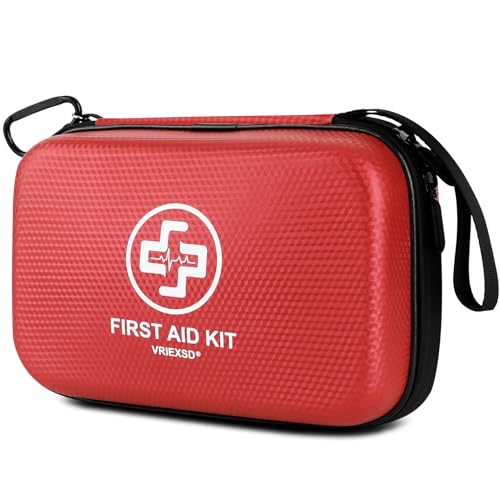
ESSENTIALS FOR EMERGENCIES: Be prepared for unexpected situations with this first aid kit featuring 320+ essential supplies. It includes a variety of bandages, povidone-iodine prep pads, metal tweezers, tourniquets, and more.

Easy to Carry And Compact First Aid Kits -- Very easy to carry, travel-size mini first aid kit bag can hold many have-must emergency essentials. This is good to bring on a hike or camping or in the car. Easy to clean up small scrapes and abrasions. Small emergency first aid set perfect for home, travel, workplace, sport, public and so on.
Alternatives to Long-Distance Driving Risks
Long-distance driving can pose significant risks, particularly when attempting to drive for extended hours without breaks. Exploring alternatives to such strenuous travel can help mitigate fatigue and enhance safety on the road. This section examines various options that can provide a more manageable and safer approach to long journeys.
If driving 15 hours straight seems daunting, consider alternatives that can reduce fatigue. Options include:
-
Taking a train for a more relaxed travel experience.
-
Flying to your destination and renting a vehicle locally.
-
Using rideshare services for long-distance travel.
These alternatives can help avoid the risks associated with long hours of driving.
Personal Factors Impacting Long-Distance Driving Safety
Long-distance driving can be a daunting task, especially when considering the personal factors that influence safety during extended trips. Individual traits such as physical health, mental alertness, and even emotional state play crucial roles in determining a driver’s ability to stay focused and responsive on the road. Understanding these factors is essential for assessing the risks associated with driving for long hours.
Understanding your personal limits is crucial for safe driving. Factors that can affect your ability to drive include:
-
Sleep quality prior to the trip
-
Personal health conditions that may impair focus
-
Stress levels that can distract from driving
Always assess your readiness before embarking on a long journey. If you feel unfit to drive, consider postponing your trip or finding alternative transportation.
Final Verdict on Driving 15 Hours Straight
Driving for 15 hours straight poses significant risks due to fatigue and impaired judgment. It is advisable to take breaks, share driving responsibilities, or explore alternative travel options to ensure safety on the road. Prioritizing your well-being can prevent accidents and ensure a safer journey.
