


It is not safe to look directly at a solar eclipse without proper eye protection. Doing so can cause serious eye damage or permanent vision loss due to the intense sunlight.
Eye Protection Strategies for Solar Eclipses
During a solar eclipse, the sun’s intense rays can cause serious eye damage if viewed without proper protection. Understanding effective eye protection strategies is crucial for safely enjoying this celestial event. Here are key methods to ensure your vision remains unharmed while witnessing the beauty of a solar eclipse.
During a solar eclipse, the moon partially or completely blocks the sun’s light. This phenomenon can lead to a dangerous situation for your eyes if viewed improperly.
The intense sunlight can burn the retina, a condition known as solar retinopathy. Symptoms may not appear immediately, making it crucial to take precautions.
Recommended Products
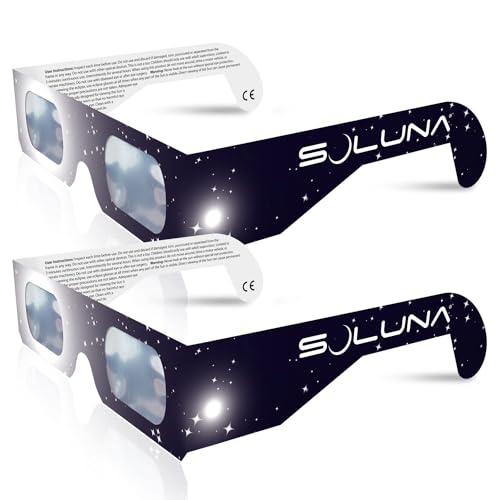
TRUSTED BY MILLIONS - Soluna Glasses are made in the USA by NASA-approved manufacturer American Paper Optics, and are recognized as ISO-compliant by the American Astronomical Society. Join the millions of eclipse chasers that trusted Soluna Eclipse Glasses for the 2017 Total Solar Eclipse.

2026 Total Solar Eclipse: The solar eclipse starting on August 12, 2026. This is an essential accessory for you to prepare for observation. It can produce a clear outline and image of the sun without causing any damage to the eyes. It can reduce ultraviolet, infrared and The hazards of strong light, so you can observe the upcoming total solar eclipse with confidence.
Recommended Eye Protection for Solar Eclipses
During a solar eclipse, protecting your eyes is crucial to avoid serious damage. The intense sunlight can harm your vision, making it essential to use proper eye protection. This section outlines the recommended types of eye protection to ensure a safe and enjoyable viewing experience during this astronomical event.
Using the right eye protection is essential when viewing a solar eclipse. Regular sunglasses are not sufficient. Here are the recommended options:
-
Eclipse Glasses: These are specifically designed to filter out harmful solar radiation. Ensure they meet the ISO 12312-2 international safety standard.
-
Welder’s Glass: A minimum shade of 14 is necessary for safe viewing.
-
Solar Filters: These can be attached to telescopes or binoculars for safe observation.
| Protection Type | Description | Safety Standard |
|---|---|---|
| Eclipse Glasses | Specially designed for solar viewing | ISO 12312-2 |
| Welder’s Glass | Dark glass used for welding | Shade 14 minimum |
| Solar Filters | Attachments for telescopes/binoculars | Varies by manufacturer |
Eye Damage Risks from Unprotected Viewing
During a solar eclipse, the allure of the celestial event can lead to dangerous habits, particularly when it comes to eye safety. Unprotected viewing poses significant risks, including permanent eye damage. Understanding these risks is crucial for anyone planning to observe the eclipse without proper protection.
Viewing a solar eclipse without proper eye protection can lead to severe consequences. The risks include:
-
Solar Retinopathy: Damage to the retina from direct sunlight.
-
Temporary Vision Loss: Blurred vision or inability to see clearly.
-
Permanent Blindness: In extreme cases, irreversible damage can occur.
Always prioritize safety when planning to view an eclipse.
Eye Protection and Safe Viewing Methods
During a solar eclipse, protecting your eyes is crucial to avoid serious damage. This section will explore effective eye protection options and safe viewing methods to ensure you can enjoy the celestial event without risking your vision. Understanding these safety measures is essential for anyone planning to observe the eclipse.
In addition to using proper eye protection, consider these techniques for safe viewing:
-
Indirect Viewing: Use a pinhole projector to project an image of the sun onto a surface.
-
Solar Projection: Use special solar projection equipment for safe observation.
-
Attend Organized Events: Many communities host safe viewing events with proper equipment.
Solar Eclipse Viewing Safety Tips
During a solar eclipse, the excitement of witnessing this celestial event can overshadow the importance of eye safety. Proper precautions are essential to protect your vision from harmful solar rays. Here are crucial tips to ensure a safe and enjoyable viewing experience during the eclipse.
Preparation is key for safe viewing of a solar eclipse. Here are steps to ensure a safe experience:
-
Purchase Certified Eclipse Glasses: Buy from reputable vendors well in advance.
-
Check Weather Conditions: Ensure clear skies for optimal viewing.
-
Plan Your Viewing Location: Choose a safe, open area away from obstructions.
| Preparation Step | Action Item |
|---|---|
| Purchase Glasses | Buy certified eclipse glasses |
| Check Weather | Monitor forecasts for clear skies |
| Choose Location | Find an unobstructed viewing area |
Eclipse Viewing Safety Guidelines
As solar eclipses draw attention worldwide, understanding the safety measures for viewing these celestial events is crucial. Proper precautions can protect your eyes from potential harm while allowing you to enjoy the spectacle. The following guidelines outline essential practices to ensure a safe and enjoyable eclipse experience.
During the eclipse, follow these guidelines:
-
Wear Protective Eyewear: Keep your eclipse glasses on at all times when looking at the sun.
-
Avoid Looking at the Sun: Do not remove your glasses until the eclipse is completely over.
-
Educate Others: Share safety information with friends and family to ensure everyone enjoys the event safely.
Solar Eclipse Eye Protection Guidelines
During a solar eclipse, the beauty of the event can be mesmerizing, but it also poses significant risks to eye health if proper precautions are not taken. Understanding the guidelines for eye protection is essential to safely enjoy the spectacle without risking permanent damage to your vision. Here are key recommendations to ensure your eyes remain safe while observing this celestial phenomenon.
Never look directly at the sun during a solar eclipse without proper eye protection. The risk of permanent eye damage is significant. Always prioritize safety over curiosity.
