


Swimming in a pool can be safe for pregnant women, provided certain precautions are followed. Engaging in this low-impact exercise offers numerous benefits, but awareness of potential risks is crucial.
Swimming Benefits for Pregnant Women
Swimming is an excellent form of exercise for pregnant women. It provides relief from weight gain and reduces swelling in the legs and feet. The buoyancy of water supports the body, alleviating pressure on joints and the spine. Regular swimming can also improve cardiovascular fitness and promote better sleep.
Pregnant women should consider the following benefits of swimming:
-
Reduced risk of gestational diabetes
-
Enhanced mood and reduced anxiety
-
Improved muscle tone and strength
-
Easier labor and recovery
Pool Cleanliness and Safety for Pregnant Women
When considering swimming during pregnancy, the cleanliness and safety of the pool environment are crucial factors. Understanding the potential risks associated with pool water quality and sanitation practices can help expectant mothers make informed decisions about their exercise routines. This section delves into the essential aspects of pool safety for pregnant women.
Before swimming, pregnant women need to evaluate the pool environment. Cleanliness is vital to prevent infections that could affect both mother and baby. Pools should be well-maintained, with appropriate chemical levels to ensure safe water conditions.
Key safety factors include:
-
Chlorine levels: Ensure they are within safe limits.
-
Temperature: Water should be comfortably cool, ideally between 78°F and 84°F.
-
Crowd levels: Avoid busy times to minimize exposure to germs.
Swimming Safety Guidelines for Expecting Mothers
Swimming can be a refreshing and beneficial form of exercise for pregnant women, but safety is paramount. Understanding the specific guidelines and precautions can help expectant mothers enjoy this activity while minimizing risks. This section outlines essential swimming safety tips tailored for those in this special condition.
To maximize safety while swimming, pregnant women should adhere to specific guidelines. These recommendations help prevent accidents and ensure a positive experience.
Essential swimming guidelines include:
-
Consult a healthcare provider: Discuss any existing health conditions or concerns.
-
Choose appropriate strokes: Opt for gentle strokes like freestyle or backstroke.
-
Limit swim time: Avoid prolonged exposure in the water, especially if feeling fatigued.
| Safety Tip | Description |
|---|---|
| Consult a doctor | Always check with a healthcare provider before starting a new exercise routine. |
| Stay hydrated | Drink water before and after swimming to prevent dehydration. |
| Avoid diving | Refrain from diving or jumping into the pool to reduce the risk of injury. |
Recommended Products

Great for Beginner Swimmers:This VSATEN Back Float is perfect for kids who are learning to swim. More advanced than a puddle jumper or water wings that restrict hand movements. It forces kids to use their arms and work harder to keep themselves afloat but they are so proud of themselves! You can call it a "Rocket Booster" since it gives your children so much confidence

Tummy Control: The bathing suit features a semi-transparent mesh skirt that elegantly conceals tummy bulges, while the side drawstring provides light tummy coverage and shapes a flattering and slimming silhouette

Swimming Warning Signs for Pregnant Women
Swimming can be a refreshing and beneficial exercise for pregnant women, but it’s essential to be aware of specific warning signs that may indicate potential risks. Understanding these signs can help ensure a safe and enjoyable swimming experience during pregnancy. This section outlines key indicators that pregnant women should watch for while swimming in pools.
Pregnant women should be vigilant for any warning signs while swimming. Recognizing these signs early can prevent complications and ensure safety.
Watch for the following symptoms:
-
Dizziness or lightheadedness
-
Shortness of breath
-
Severe abdominal pain
-
Unusual swelling in hands or feet
If any of these symptoms occur, exit the pool immediately and seek medical advice.
Safe Water Activities for Pregnant Women
Swimming can be a refreshing and beneficial exercise for pregnant women, offering a low-impact way to stay active. Understanding which water activities are safe is crucial for both the health of the mother and the developing baby. This section explores various safe water activities that can enhance physical well-being during pregnancy.
If swimming is not preferred, other water activities can also provide benefits. These alternatives can be equally enjoyable and safe for pregnant women.
Consider these options:
-
Water aerobics: Provides a structured workout with low impact.
-
Aqua yoga: Focuses on flexibility and relaxation in water.
-
Gentle water walking: Offers cardiovascular benefits without strain.
Recommended Products

Water dumbbells: Two dumbbells with ergonomic, multi-grip-position; total length: 13.5 inches (34 cm)
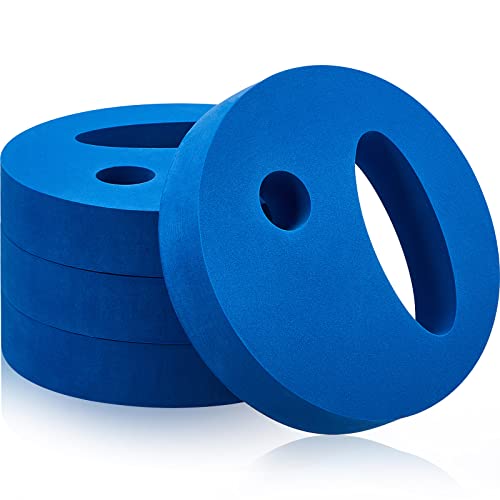
Easy to Grip: the swim disc is about 18 cm/ 7.1 inches in diameter, with a large hole and a small hole, convenient for your gripping, to offer simple underwater resistance when you grip it during your water exercise, to achieve an effective training effect

Ergonomic and Secure Grip: The water dumbbells feature ergonomic dimensions with durable PC tubes covered in soft foam. Two handle strips provide a firm yet comfortable grip, ensuring secure and effective movements during exercise
Swimming Safety Tips for Pregnant Women
Swimming can be a refreshing and beneficial form of exercise for pregnant women, but safety is paramount. Understanding the specific precautions and guidelines can help ensure a safe swimming experience. This section outlines essential swimming safety tips tailored for expectant mothers, focusing on both health and comfort.
Preparation is essential for a safe swimming experience. Taking the right steps ensures comfort and minimizes risks.
Steps to prepare include:
-
Wear a supportive swimsuit: Choose one that accommodates a growing belly.
-
Bring necessary items: Include water, a towel, and sunscreen.
-
Warm up: Perform gentle stretches before entering the water.
| Preparation Item | Purpose |
|---|---|
| Supportive swimsuit | Provides comfort and support during swimming. |
| Water bottle | Keeps hydrated during exercise. |
| Towel | Ensures comfort after swimming. |
Maintain a Balanced Approach to Exercise
Maintaining a balanced approach to exercise during pregnancy is crucial for both the mother and the developing baby. Swimming can be a safe and effective way to stay active, but it’s important to consider individual health circumstances and follow guidelines that ensure safety in the water. Understanding how to integrate swimming into a broader fitness routine can enhance overall well-being during this special time.
While swimming is beneficial, it is crucial to maintain a balanced exercise routine. Combining swimming with other forms of exercise can enhance overall fitness.
Incorporate these activities:
-
Walking: Simple and effective for cardiovascular health.
-
Strength training: Focus on light weights or resistance bands.
-
Stretching: Enhances flexibility and reduces muscle tension.
Pregnant women should always listen to their bodies. Adjusting activity levels based on comfort is essential for safety.
