


Have you ever wondered if it’s safe for your elderly loved ones to travel by car? With age comes a unique set of challenges that can make road trips a bit daunting. Whether it’s a short drive to the grocery store or a longer journey to visit family, safety is always a top concern.
In this article, you’ll discover practical tips and insights that can help you ensure a smooth and secure travel experience for seniors. From assessing driving abilities to understanding the best practices for car travel, you’ll find valuable information that can ease your worries and keep your loved ones safe on the road.
Key Takeaways
- Assess Driving Abilities: Regularly evaluate seniors’ vision, hearing, and reaction times to ensure they are fit to drive safely.
- Plan Routes Wisely: Choose familiar routes, avoid nighttime driving, and incorporate rest breaks during long trips to enhance safety and comfort.
- Implement Vehicle Modifications: Make necessary adjustments to the vehicle, such as seat positioning and adding hand controls, to accommodate any physical limitations.
- Prepare an Emergency Kit: Pack essential items like first aid supplies, water, snacks, and roadside assistance information to be ready for unexpected situations.
- Utilize Technology: Equip elderly drivers with GPS for navigation and emergency apps for quick assistance, which can significantly enhance their safety on the road.
- Explore Alternative Transportation: If driving isn’t an option, consider public transport, rideshare services, or specialized shuttles designed for seniors to ensure safe travel.
Understanding Elderly Safety While Traveling By Car
Ensuring safety for elderly individuals during car travel involves several key considerations. Assessing their driving abilities is crucial. Evaluate factors like vision, hearing, and reaction time. Regular eye exams and hearing checks can help identify issues earlier.
Planning the trip helps mitigate risks. Choose routes with minimal traffic and avoid driving at night. Opt for familiar surroundings whenever possible. Long distances can be tiring, so schedule breaks to rest. These breaks prevent fatigue and maintain alertness.
Adhering to proper seat positioning improves comfort and safety. Ensure the senior sits upright, with the seatbelt snug across their lap and shoulder. Using booster seats or cushions can enhance visibility for shorter individuals.
Monitoring weather conditions is essential. Avoid traveling during inclement weather, such as heavy rain or snow. Light rain can still impact visibility and road safety, so evaluate conditions closely.
Consider utilizing vehicle modifications for added safety. Install hand controls or adaptive devices for ease of use. Many vehicles now come equipped with features like parking sensors and lane assist, which can make driving less stressful.
Using technology can enhance security while traveling. GPS devices provide real-time directions, preventing confusion. Emergency apps can alert family members if problems arise during travel. Encourage elderly individuals to keep a mobile phone handy for assistance.
Discussing travel plans with family members promotes communication. Keep loved ones informed about your travels. Sharing itineraries helps ensure someone knows their route and schedule.
By addressing these elements, you create a safer and more enjoyable travel experience for elderly individuals on the road.
Factors To Consider For Elderly Drivers
Elderly drivers face unique challenges while traveling by car. Understanding these factors can enhance safety and make trips more enjoyable.
Recommended Products

*PROTECTS hearing aid from falling off. Attaches easily to eyeglass allowing you to wear both! Fits all standard hearing aids.

Digital Chip, HIFI Sound Quality:Hearing amplifiers have a built-in 16-channel digital chip with intelligent noise reduction technology that filters out background noise. At the same time, hearing amplifiers are equipped with a whistling suppression system that eliminates annoying whistling noises, allowing you to easily focus on the important sounds, and to experience the natural high-definition sound brought about by sound quality restoration technology, hearing amplifiers for seniors allow you to have a comfortable and smooth listening experience with your hearing aids.

9 Hours Non-Stop LED Light - USB Rechargeable, no batteries are needed. Recharges fast in 30 minutes. Comes with a USB charging cord. 2 Brightness modes.
Health Conditions
Health conditions significantly impact driving abilities. Regular medical check-ups help assess conditions like arthritis, heart disease, or cognitive decline. It’s essential to discuss any medications with your doctor, as some may cause drowsiness or impair reaction times. Keeping a checklist of health records simplifies sharing information with healthcare providers and family members regarding any driving limitations.
Vision and Hearing Impairments
Vision and hearing significantly affect safe driving. Schedule routine eye exams to monitor eyesight, as conditions like cataracts or macular degeneration can develop with age. If glasses or contact lenses are prescribed, wearing them while driving is crucial. Hearing ability also plays a role; ensure you hear horns, sirens, or car alarms. Using hearing aids can enhance auditory awareness, making you more responsive to your environment. Always report any noticeable changes in your vision or hearing to your doctor for appropriate evaluations.
Preparing For A Safe Trip
Preparation enhances safety and comfort during travel for elderly individuals. Taking the right steps makes a significant difference.
Recommended Products

ESSENTIALS FOR EMERGENCY: Everything you need is in this first aid kit! Our kit includes over 150 professional-grade medical and safety supplies, all kinds of bandages, gloves, povidone-lodine prep pad, metal tweezers, tourniquet, etc. 100% latex free

80-piece BAND-AID Brand Travel Ready First Aid Kit for on-the-go first aid and minor wound care, ideal for home, cars, outdoors, dorms & camping

ESSENTIALS FOR EMERGENCY: Everything you need is in this first aid kit! Our kit includes over 150 professional-grade medical and safety supplies, all kinds of bandages, gloves, povidone-lodine prep pad, metal tweezers, tourniquet, etc. 100% latex free
Vehicle Modifications
Consider modifying the vehicle to improve safety for elderly drivers. Key adjustments include:
- Seat Positioning: Ensure the seats allow optimal visibility. Seats should be adjusted so that feet can easily reach pedals.
- Hand Controls: Install hand controls if mobility issues affect foot usage. These controls simplify driving for those with limited leg mobility.
- Mirror Enhancements: Use larger or additional mirrors to minimize blind spots. This aids in better visibility and contributes to safer lane changes.
- Accessibility Features: Evaluate accessibility changes, like grab handles or non-slip mats, to assist entry and exit. This helps prevent falls.
Emergency Kits
Packing an emergency kit serves as a safety net for unexpected situations. Start with these essentials:
- First Aid Supplies: Include bandages, antiseptics, and pain relievers. These items help address minor injuries quickly.
- Water and Snacks: Keep bottled water and non-perishable snacks on hand. Staying hydrated and nourished is vital during long trips.
- Flashlight and Batteries: A flashlight aids navigation during emergencies after dark. Always pack extra batteries for reliability.
- Roadside Assistance Information: Keep contact details for roadside assistance services. This ensures quick help if the vehicle breaks down.
Each preparation measure contributes to a safer driving experience for elderly travelers. These practical tips reduce anxiety and enhance confidence on the road.
Tips For Family Members
Ensure your elderly family member’s safety on the road by following these practical tips.
Assessing Driving Skills
Evaluate your loved one’s driving abilities regularly. Watch for signs of decreased performance, such as difficulty merging or obeying traffic signals. Consider organizing mock driving sessions on familiar routes to assess their comfort level and response times. Use checkpoints to gauge their ability to react to sudden changes, like pedestrians or cyclists. Discuss any concerns directly but sensitively, emphasizing safety rather than critiquing their skills.
Providing Support
Offer support to make traveling easier. Help with trip planning, focusing on shorter drives and familiar destinations. Encourage breaks during long travels to prevent fatigue. Consider accompanying them on trips to provide assistance and reassurance. Help them set up technology in the car, like GPS for navigation and emergency apps for quick access to help. Check that their vehicle is equipped with necessary modifications like easy-access handles or seat cushions, enhancing comfort and safety.
Alternatives To Car Travel
If driving isn’t a viable option for elderly individuals, several alternatives exist for safe and comfortable travel. Each alternative ensures mobility while addressing health and safety concerns.
Recommended Products

Lightweight Travel Mobility: The Drive Medical Transport Wheelchair delivers reliable transport and mobility assistance, with a compact folding frame and smooth 8-inch wheels for effortless travel

Lightweight Folding Wheelchair: The Drive Medical Expedition Transport Wheelchair provides reliable mobility support with an ultra-light aluminum frame, padded armrests, and fold-down footrests
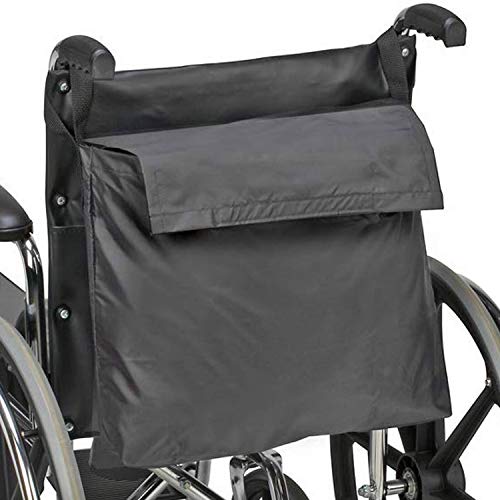
Wheelchair backpack offers no-hands storage with hook and loop closure for multiple items both small and large to assist with carrying purses, wallets, glasses, phones, laptops, water bottles, groceries, medical supplies and more
Public Transportation
Public transit systems offer reliable options for seniors needing to travel longer distances. Buses and trains often have special accommodations for those with mobility issues.
- Accessibility: Many cities provide low-floor buses that are easier to board. Check local transit authorities for specific routes that meet accessibility standards.
- Discounts: Seniors can benefit from reduced fares. Always ask about special rates or passes designed for older adults.
Rideshare Services
Rideshare platforms, like Uber and Lyft, provide convenient transportation without the hassle of parking.
- Ease of Use: You can schedule rides through a smartphone app or by calling customer service.
- Driver Assistance: Some rideshare services offer options for trained drivers who can assist seniors as they enter and exit the vehicle.
Taxi Services
Traditional taxis remain a reliable means of transportation for seniors.
- Immediate Accessibility: You can hail a taxi on the street or call a dispatcher for a pickup.
- Personalized Service: Taxi drivers may provide more personalized assistance than larger transit systems.
Shuttle Services
Shuttle services cater specifically to seniors, providing safe transport to various destinations.
- Medical Appointments: Many communities offer shuttles for doctor visits, grocery runs, and social outings.
- Senior Centers: Check with local senior centers for organized shuttle services, often at no cost or low fees.
Walking or Biking
For nearby trips, walking or biking can be the healthiest option.
- Health Benefits: Regular walking or cycling promotes cardiovascular health and improves balance.
- Group Activities: Join local walking groups aimed at seniors for added motivation and safety.
Alternative Vehicle Options
If an elderly person prefers car travel but needs assistance, consider specialized vehicle options.
- Adaptive Vehicles: Companies offer modified vehicles equipped with hand controls and ramps.
- Van Services: Accessible vans with wheelchair lifts provide transportation for those with mobility challenges.
By exploring these alternatives to car travel, elderly individuals can maintain their independence and mobility while ensuring safety and comfort during their journeys.
Conclusion
Traveling by car can be a safe and enjoyable experience for elderly individuals when the right precautions are taken. By assessing driving abilities and making necessary adjustments to the vehicle, you can significantly enhance safety and comfort on the road.
Encouraging open communication with family members and planning trips thoughtfully will help ensure that your loved ones feel supported and secure. Remember to consider alternatives if driving isn’t the best option.
With the right preparation and awareness, you can make car travel a positive experience that allows seniors to maintain their independence while staying safe.
Frequently Asked Questions
What are the main safety concerns for elderly drivers?
Elderly drivers may face challenges related to vision, hearing, and reaction time. Health conditions like arthritis or cognitive decline can also affect their driving skills. Regular medical check-ups and open communication with doctors can help address these concerns and ensure safer travel.
How can I assess if an elderly loved one is still fit to drive?
Monitor their driving performance regularly and look for signs of decreased abilities, such as difficulty with complex maneuvers or poor judgment. Organizing mock driving sessions can help evaluate their skills in a controlled environment, fostering open discussions about their driving capabilities.
What tips can enhance safety for elderly travelers?
To improve safety, adjust seat positioning for better visibility, use larger mirrors, and install any necessary vehicle modifications. Planning familiar routes, scheduling frequent breaks, and packing an emergency kit also contribute to a safer and more comfortable travel experience.
Are there technology options to help elderly drivers?
Yes, utilizing GPS devices and emergency apps can enhance navigation and provide quick access to assistance if needed. These technologies promote greater confidence and security while on the road.
What alternatives exist for elderly individuals unable to drive?
For seniors who may not be able to drive, alternatives include public transportation, rideshare services like Uber and Lyft, and specialized transport options designed for the elderly. Walking or biking for short trips can also improve mobility while benefiting their health.
