


It is generally not safe for dogs to swim in ponds due to potential exposure to harmful bacteria and wildlife. These risks can lead to serious health issues, including infections and toxic reactions. Understanding the dangers associated with pond swimming can help pet owners make informed decisions about their dog’s activities.
Bacteria Hazards for Dogs in Ponds
Swimming in ponds can expose dogs to various bacteria that pose health risks. Understanding the types of bacteria commonly found in these environments is crucial for pet owners. This section delves into the potential hazards and the implications for your dog’s well-being when they take a dip in natural water sources.
Ponds can harbor various bacteria that pose health risks to dogs. Common bacteria include E.
coli, Salmonella, and Leptospira. These pathogens can enter a dog’s system through ingestion or skin contact, leading to gastrointestinal issues or more severe conditions.
Recommended Products

Advanced Dual-Action Formula – ActiClear combines beneficial bacteria and enzymes to accelerate the breakdown of organic sludge, helping to restore water clarity and balance in ponds, fountains, and birdbaths.

Maintains a strong biological balance providing clean, clear and healthy water conditions

Advanced Dual-Action Formula – ActiClear combines beneficial bacteria and enzymes to accelerate the breakdown of organic sludge, helping to restore water clarity and balance in ponds, fountains, and birdbaths.
Prevalent Pond Bacteria and Risks
Understanding the types of bacteria commonly found in ponds is crucial for assessing potential health risks for dogs. These microorganisms can pose serious threats, especially when combined with wildlife interactions. This section delves into the prevalent pond bacteria and the associated dangers that pet owners should be aware of before allowing their dogs to swim.
Here are some of the most prevalent bacteria found in ponds:
| Bacteria | Source | Health Risks |
|---|---|---|
| E. coli | Animal waste | Diarrhea, vomiting |
| Salmonella | Contaminated water | Fever, abdominal pain |
| Leptospira | Rodent urine | Kidney damage, liver failure |
Dogs that swim in contaminated water may show symptoms such as vomiting, diarrhea, or lethargy. Immediate veterinary attention is crucial if these symptoms arise.
Risks from Wildlife Encounters for Dogs
When dogs swim in ponds, they may encounter various wildlife that can pose health risks. From potential bites or scratches to exposure to parasites, understanding these wildlife interactions is crucial for ensuring your dog’s safety during outdoor adventures. This section explores the specific dangers posed by wildlife encounters in pond environments.
Wildlife in and around ponds can also pose risks to dogs. Animals such as raccoons, otters, and even snakes can transmit diseases or cause injuries. Dogs may be curious and approach these animals, leading to bites or scratches.
Wildlife Hazards for Swimming Dogs
When dogs swim in ponds, they may encounter various wildlife that poses potential risks to their health. From parasites to aggressive animals, understanding these hazards is crucial for pet owners who want to ensure their dogs enjoy safe and healthy outdoor experiences. Awareness of the local ecosystem can help mitigate dangers associated with swimming in natural bodies of water.
Pet owners should be aware of the following wildlife-related risks:
-
Bites and Scratches: Wildlife can inflict serious injuries.
-
Disease Transmission: Animals can carry diseases like rabies or parasites.
-
Toxic Plants: Some plants near ponds can be harmful if ingested.
Supervision is essential when dogs are near ponds to prevent unwanted encounters with wildlife.
Pond Water Quality and Health Risks
When considering whether dogs can safely swim in ponds, it’s essential to understand the quality of pond water and the associated health risks. Ponds can harbor harmful bacteria and wildlife that pose potential dangers to both pets and their owners. This section delves into the factors affecting pond water quality and the specific health risks involved.
The quality of pond water can fluctuate based on environmental factors. Algal blooms, often caused by nutrient runoff, can produce toxins harmful to dogs. These toxins can lead to severe health complications if ingested.
Recommended Products
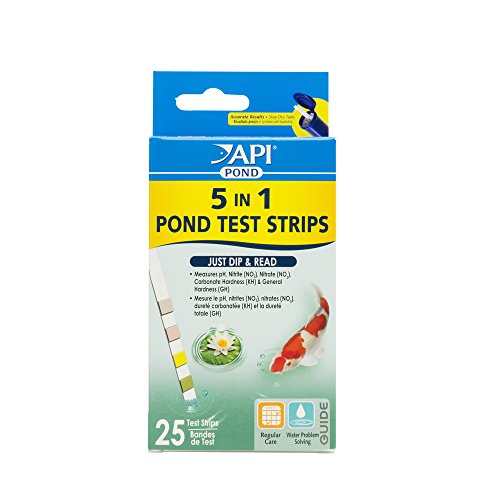
Contains one (1) API POND 5 IN 1 POND TEST STRIPS Pond Water Test Strips 25-Count

What Is Blue-Green Algae? Blue-green algae is a type of cyanobacteria found in warm, nutrient-rich bodies of water including lakes, ponds, rivers and reservoirs. These algal blooms occur mostly during the warmer months but can happen year-round if conditions align.

7-IN-1 POND TEST STRIPS: Keep your pond clear and your fish healthy with our 7-in-1 pond test kit. Test your pond water for hardness, carbonate chlorine, nitrite, free chlorine, pH, nitrate, and alkalinity
Indicators of Unsafe Pond Water for Dogs
When considering whether it’s safe for dogs to swim in ponds, it’s crucial to recognize the indicators of unsafe water. Various factors, including the presence of harmful bacteria and wildlife, can pose significant health risks to your pet. Understanding these warning signs can help ensure your dog’s safety during outdoor adventures.
Here are key indicators of poor water quality:
| Indicator | Possible Issue |
|---|---|
| Green or blue-green color | Algal bloom |
| Foul smell | Decaying organic matter |
| Dead fish or wildlife | Toxic conditions |
Avoiding swimming in ponds with these indicators is crucial for your dog’s safety.
Dog Swimming Safety Precautions
When considering the safety of dogs swimming in ponds, it’s essential to understand the potential risks associated with bacteria and wildlife. Taking specific precautions can help ensure a safe and enjoyable experience for your dog. This section outlines practical steps to minimize health risks while allowing your pet to enjoy the water.
To keep dogs safe while enjoying outdoor activities, owners should implement several preventative measures. Training dogs to avoid certain areas and providing alternative swimming options can help mitigate risks.
Recommended Products

HIGH GRADE FABRIC - Fabric of the dog life jacket consist of high grade polyester oxford nylon outer and foam inner. Accordingly, the dog life vest not only ripstop but also allow for quick drying and proper drainage.

Collapsible and Portable Design: Our dog pool is collapsible design, it’s portable for you to carry. As a wading pool, it can be folded into a small size easy to store and carry with for camping or traveling, and also space-saving for storage at home.

【Perfect Size】18 inches short leash is perfect for walking in busy crowded areas and cross streets that need close-up control of your dog immediately. Great suitable for medium and large dog control safety training.
Choosing Safe Swimming Areas for Dogs
When considering a swim for your dog, it’s essential to evaluate the safety of the chosen area. Ponds can harbor various bacteria and wildlife that pose risks to your pet’s health. Understanding how to select safe swimming spots can help ensure a fun and secure experience for both you and your dog.
-
Choose Clean Water Sources: Opt for designated dog-friendly swimming areas.
-
Monitor Health: Regular vet check-ups can catch infections early.
-
Educate on Wildlife: Teach dogs to stay away from wild animals.
By taking these steps, pet owners can significantly reduce the risks associated with pond swimming.
Pond Swimming Risks for Dogs
While many dogs enjoy swimming in ponds, it’s essential to consider the potential risks involved. Ponds can harbor harmful bacteria and wildlife that may pose health threats to your pet. Understanding these risks is crucial for ensuring your dog’s safety during outdoor water activities.
Swimming in ponds can expose dogs to various health risks, including harmful bacteria and wildlife encounters. Pet owners must stay vigilant and prioritize their dog’s health by avoiding potentially dangerous environments.
