


Allowing dogs to swim in lakes can expose them to harmful bacteria and wildlife risks. It’s essential to understand these dangers to ensure your pet’s safety while enjoying outdoor activities.
Evaluate Bacterial Threats in Freshwater Lakes
When considering the safety of dogs swimming in lakes, understanding the potential bacterial threats is crucial. Freshwater lakes can harbor various pathogens that pose risks to canine health. Evaluating these bacterial concerns helps pet owners make informed decisions about their dogs’ swimming activities and overall well-being.
Lakes can harbor various bacteria that pose health risks to dogs. Common bacteria found in freshwater include E.
coli and leptospirosis, which can lead to serious illnesses. Dogs can contract these pathogens through ingestion or skin contact with contaminated water. Monitoring water quality reports can help determine if a lake is safe for swimming.
| Bacteria Type | Source | Symptoms |
|---|---|---|
| E. coli | Contaminated water | Vomiting, diarrhea |
| Leptospirosis | Animal urine | Fever, lethargy |
| Giardia | Infected feces | Diarrhea, weight loss |
Recommended Products

THE ORGINAL DIY BACTERIA TEST KIT that is certified accurate by Good Housekeeping Labs, American Red Cross, Underwriter Labs, and Merck Labs. Designed and developed by our EPA certified scientists. Made in the USA.

This water testing kit identifies water quality issues early to prevent health risks. Includes two coliform / E.coli tests.

Comprehensive Testing: Detects a wide range of contaminants, including 9 key ones. From the most dangerous, like Lead and Bacteria, to Iron, Copper, Chlorine, and Nitrates.
Wildlife Hazards for Dogs in Lakes
When dogs swim in lakes, they may encounter various wildlife hazards that pose risks to their health and safety. From encounters with aggressive animals to potential exposure to parasites and diseases carried by wildlife, understanding these dangers is crucial for pet owners. This section delves into the specific wildlife-related threats that dogs may face while enjoying a day by the water.
Wildlife in and around lakes can pose additional risks to dogs. Animals such as raccoons, deer, and even snakes can transmit diseases or cause physical harm.
Dogs may also ingest harmful substances or get into confrontations with wild animals. Always supervise dogs closely near water bodies to mitigate these risks.
Common Wildlife Hazards for Dogs
When taking dogs to swim in lakes, it’s essential to be aware of the potential wildlife hazards they may encounter. Various animals, from snakes to insects, can pose risks to your pet’s safety and health. Understanding these common wildlife threats can help ensure a safer and more enjoyable experience for both you and your dog.
Certain wildlife encounters can lead to significant health issues for dogs. The following list highlights some common threats:
-
Raccoons: Can carry rabies and parasites.
-
Snakes: Some species are venomous and can inflict serious injuries.
-
Frogs: Certain frogs secrete toxins that can be harmful if ingested.
Assessing Lake Water Safety for Dogs
Before allowing your dog to swim, assess the lake’s water quality. Many local health departments monitor water conditions, especially during peak swimming seasons. Look for advisories regarding high bacteria levels or harmful algal blooms, which can be toxic to dogs.
Recommended Products

Dog Life Vest was tested in oceans, swimming pools, and lakes. While human life jackets use an ISO standard, no such standard exists for dog life jackets. Therefore, we created a test that closely aligns with human standards to produce a uniquely floating vest.

Dog Life Vest was tested in oceans, swimming pools, and lakes. While human life jackets use an ISO standard, no such standard exists for dog life jackets. Therefore, we created a test that closely aligns with human standards to produce a uniquely floating vest.
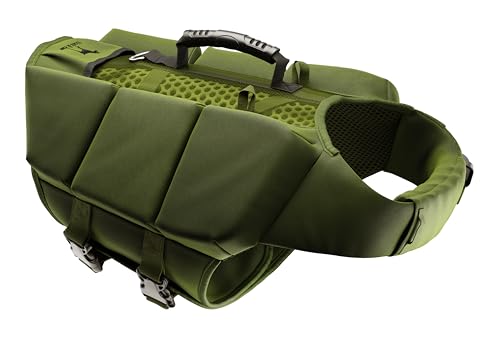
Dog Life Vest was tested in oceans, swimming pools, and lakes. While human life jackets use an ISO standard, no such standard exists for dog life jackets. Therefore, we created a test that closely aligns with human standards to produce a uniquely floating vest.
Check for Algal Blooms
When considering whether it’s safe for dogs to swim in lakes, one crucial factor is the presence of algal blooms. These blooms can produce harmful toxins that pose serious health risks to both dogs and humans. Understanding how to identify and avoid these blooms is essential for ensuring a safe swimming experience for your pet.
Harmful algal blooms can produce toxins that affect both dogs and humans. Signs of a bloom include:
-
Green, blue, or red water coloration
-
Surface scum or foam
-
Dead fish or other wildlife
Dog Swimming Supervision Guidelines
When taking your dog for a swim in lakes, supervision is essential to ensure their safety. Understanding the potential risks associated with bacteria and wildlife can help you make informed decisions. Here are some guidelines to follow for effective supervision while your dog enjoys the water.
When dogs are allowed to swim, supervision is crucial. Keep a close eye on your pet to ensure they do not ingest water or engage with wildlife. Establish boundaries for swimming areas to minimize exposure to potential hazards.
Recommended Products

32 FT DOG LEASH - Our long leash is 0.3inch thick and 32 feet long, giving your dog more freedom while still keeping them on the leash, perfect for outdoor recall training, park, yard, hiking and camping

32 FT DOG LEASH - Our long leash is 0.3inch thick and 32 feet long, giving your dog more freedom while still keeping them on the leash, perfect for outdoor recall training, park, yard, hiking and camping

20 FT DOG LEASH - Our long leash is 0.3inch thick and 20 feet long, giving your dog more freedom while still keeping them on the leash, perfect for outdoor recall training, park, yard, hiking and camping
Designating Clean Swimming Areas for Dogs
Establishing designated clean swimming areas for dogs is essential to ensure their safety while enjoying natural water bodies. These areas help minimize exposure to harmful bacteria and wildlife, providing a controlled environment where pet owners can feel more secure about their dog’s health. Understanding how to identify and maintain these spaces is crucial for responsible pet ownership.
Designate specific areas for swimming that are known to be clean and free of wildlife. Use the following guidelines:
-
Choose lakes with clear water and visible bottom.
-
Avoid areas with heavy vegetation or stagnant water.
-
Keep dogs on a leash when approaching the water.
Post-Swim Health and Hygiene for Dogs
After swimming, take steps to ensure your dog’s health. Rinse off any lake water to remove contaminants and check for signs of irritation or injury. Regularly inspect your dog for ticks or other parasites that may have attached during their swim.
| Post-Swim Care Steps | Description |
|---|---|
| Rinse with clean water | Remove contaminants from fur and skin |
| Check for injuries | Inspect paws and body for cuts or abrasions |
| Dry thoroughly | Prevent skin infections by drying your dog |
Know When to Avoid Swimming
Understanding when it’s safe for dogs to swim in lakes is crucial for their health. Various factors, including water quality and local wildlife, can pose risks to your pet. This section will outline specific conditions and signs that indicate when it’s best to keep your dog on dry land.
There are specific conditions when swimming should be avoided entirely. Heavy rainfall can lead to increased bacteria levels in lakes. Additionally, if you notice any warning signs of illness in your dog after swimming, consult a veterinarian immediately.
Waterborne Illness Symptoms in Dogs
Swimming in lakes can expose dogs to various waterborne illnesses, making it essential for pet owners to recognize the symptoms. Understanding these signs can help ensure a quick response if a dog falls ill after a swim. This section outlines the key symptoms to watch for, helping to keep your furry friend safe and healthy.
Be aware of symptoms that may indicate your dog has contracted a waterborne illness. These include:
-
Vomiting
-
Diarrhea
-
Lethargy
Taking precautions and understanding the risks associated with lake swimming can help keep your dog safe. Always prioritize your pet’s health and well-being when deciding to allow them to swim in natural bodies of water.
