


Swimming in chlorinated pools can pose health risks for dogs. While many dogs enjoy swimming, exposure to chlorine can lead to skin irritation and respiratory issues. Understanding these risks helps dog owners make informed decisions about their pets’ swimming activities.
Chlorine Impact on Canine Health
Understanding the effects of chlorine on canine health is crucial for dog owners who enjoy poolside activities with their pets. While swimming can be a fun and refreshing experience for dogs, it’s important to consider how chlorinated water may impact their well-being. This section explores the potential health risks associated with chlorine exposure for dogs.
Chlorine is commonly used in pools to maintain water cleanliness and prevent bacterial growth. However, it can irritate a dog’s skin, eyes, and respiratory system.
Dogs with pre-existing conditions may be more susceptible to these effects. It’s essential to monitor your dog for any signs of discomfort after swimming.
Chlorine Exposure Symptoms in Dogs
Swimming in chlorinated pools can pose health risks for dogs, leading to various symptoms from chlorine exposure. Understanding these symptoms is crucial for pet owners to ensure their dogs remain safe and healthy while enjoying the water. The following section outlines the key signs to watch for if your dog has been swimming in a chlorinated pool.
Recognizing symptoms of chlorine exposure is crucial for timely intervention. Dogs may show various signs after swimming in chlorinated water. Owners should be aware of the following symptoms:
| Symptom | Description |
|---|---|
| Skin Irritation | Redness, itching, or rashes |
| Eye Irritation | Red, watery eyes or squinting |
| Respiratory Issues | Coughing, wheezing, or difficulty breathing |
| Gastrointestinal Distress | Vomiting or diarrhea |
If your dog exhibits any of these symptoms, consult a veterinarian promptly.
Assessing Chlorine Levels for Dog Safety
When considering whether dogs can safely swim in chlorinated pools, understanding chlorine levels is crucial. High concentrations can pose health risks, making it essential for pet owners to assess these levels regularly. This section delves into the recommended chlorine limits and how they impact your dog’s swimming experience.
Before allowing your dog to swim, assess the pool’s water quality. High chlorine levels can be harmful.
Regular testing of pool water can help maintain safe levels. Owners should aim for chlorine levels between 1-3 ppm for safe swimming.
Recommended Products
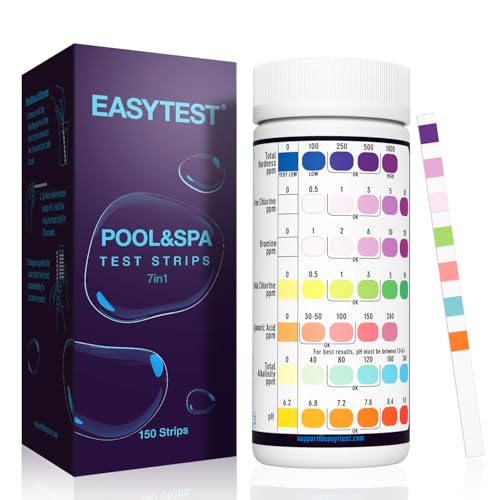
AFFORDABLE 150 STRIPS: This water chemical testing kit contains 150 test strips. Enough balanced for your swimming pool, hot tub, spa and other water testing. At least testing twice a week is recommended to keep your pool sparkling clean and safe.

Perfect for testing residual FREE CHLORINE which does NOT include chloramines

CHLORINE TEST STRIPS FOR SANITIZER SOLUTIONS IN FOOD SERVICE ENVIRONMENTS – These easy-to-use chlorine test strips provide fast, accurate readings to ensure your sanitizing solutions meet required chlorine levels for effective cleaning and health code compliance. Perfect for restaurants, bars, commercial kitchens, cafeterias, and other food service operations, they offer a quick and reliable way to verify sanitizer concentrations during routine surface checks or dishwashing rinse cycles. An essential tool for maintaining a clean, safe, and compliant environment, these cost-effective test strips support consistent hygiene standards with minimal effort.
Chlorine Level Testing Methods
Understanding how to effectively test chlorine levels in swimming pools is crucial for ensuring a safe environment for dogs. High chlorine concentrations can pose health risks, so employing accurate testing methods helps maintain water quality. This section outlines various techniques for measuring chlorine levels to protect your pet while enjoying pool time.
Testing the pool water is straightforward. Use a pool testing kit to check chlorine levels. Follow these steps:
-
Collect Water Sample: Fill a clean container with pool water.
-
Use Test Strips: Dip the test strip into the water sample.
-
Compare Colors: Match the strip color to the provided chart to determine chlorine levels.
Ensure the pool maintains safe chlorine levels before allowing your dog to swim.
Dog Swimming Safety Guidelines
As summer approaches, many dog owners consider taking their pets for a swim in chlorinated pools. While swimming can be a fun and refreshing activity for dogs, it’s essential to understand the safety guidelines to ensure their health and well-being. This section outlines important considerations for keeping your dog safe while enjoying the water.
Establishing safe swimming practices can minimize health risks for your dog. Supervision is key when your dog is in the water. Follow these guidelines to ensure a safe swimming experience:
-
Limit Swimming Time: Keep swims short to reduce exposure.
-
Rinse After Swimming: Use fresh water to rinse your dog after swimming.
-
Watch for Signs: Observe your dog for any signs of discomfort while swimming.
These practices help protect your dog’s health during pool activities.
Recommended Products

🐾 Why Choco Nose Water Bottle? Are You Tired of Changing the Wet Bedding for Your Pet Cage? This Is The Best Small Pet Water Bottle For Your Beloved Pets. Providing A Wet-Free and Mess-Free Living Area For Your Furry Kids Is Very Essential. Choco Nose U.S. Patented Leak Proof Nozzle Can Prevent Water Leakage Effectively. Our Innovative Design Allows Your Pets to Enjoy Clean and Fresh Water While Keeping Your Home Clean and Dry.

Adjustable and Portable Dog Water Bottle: Designed with No Drip nozzle and you can change its direction by turning the top lid 360°, easy to adjust the height of bottle,convenient for your pet to drink water

Designed for smaller breeds and puppies
Natural Swimming Options for Dogs
Exploring natural swimming options for dogs can provide a healthier alternative to chlorinated pools. Many pet owners seek environments that promote their dogs’ well-being while allowing them to enjoy water activities. This section will highlight various natural swimming spots and their benefits for canine health and happiness.
If you’re concerned about chlorinated pools, consider alternative swimming options. Natural bodies of water or saltwater pools can be safer for dogs. Here are some alternatives:
| Alternative Type | Benefits |
|---|---|
| Natural Lakes | No chlorine; natural environment |
| Saltwater Pools | Lower chlorine levels; gentler on skin |
| Dog-Friendly Beaches | Supervised swimming in natural settings |
Explore these options for a healthier swimming experience for your dog.
Chlorine Sensitivity in Vulnerable Breeds
Certain dog breeds are more susceptible to the effects of chlorine in swimming pools, which can lead to skin irritations and respiratory issues. Understanding the specific sensitivities of these vulnerable breeds is crucial for pet owners who want to ensure a safe swimming experience. This section explores which breeds are at greater risk and what precautions can be taken.
Certain dogs may be more vulnerable to the effects of chlorine. Breeds with sensitive skin or respiratory issues should be monitored closely. Owners should consider the following factors:
-
Age: Puppies and senior dogs may have weaker immune systems.
-
Health Conditions: Dogs with allergies or asthma are at higher risk.
-
Breed Sensitivity: Some breeds are more prone to skin irritations.
Consult your veterinarian if you have concerns about your dog’s health and swimming in chlorinated pools.
Post-Swim Behavior Observations for Dogs
After a refreshing swim in a chlorinated pool, it’s essential to observe your dog’s behavior for any signs of discomfort or health issues. Understanding how chlorine exposure affects your pet can help you ensure their well-being and enjoyment during pool outings. This section highlights key behaviors to watch for after your dog has taken a dip.
After swimming, observe your dog for any changes in behavior. Look for signs of discomfort or distress. If your dog seems lethargic or shows reluctance to move, it may indicate a problem.
Symptoms and Recommended Responses
Swimming in chlorinated pools can pose health risks for dogs, leading to various symptoms that owners should be vigilant about. Understanding these signs and knowing how to respond appropriately can help ensure your pet remains safe and healthy while enjoying the water. This section outlines common symptoms and offers guidance on the best actions to take.
If you notice concerning symptoms, take the following actions:
-
Remove from Water: Get your dog out of the pool immediately.
-
Rinse Thoroughly: Use clean water to rinse off chlorine.
-
Consult a Veterinarian: Seek professional advice if symptoms persist.
Being proactive can prevent more serious health issues.
Chlorine Pool Safety Tips for Dogs
Prioritize your dog’s safety when it comes to swimming in chlorinated pools. Regularly check water quality and monitor your dog’s health. Understanding the risks and implementing safe swimming practices can help ensure a positive experience for both you and your dog.
Recommended Products

5" Diameter dispenser with collapsible tablet tank
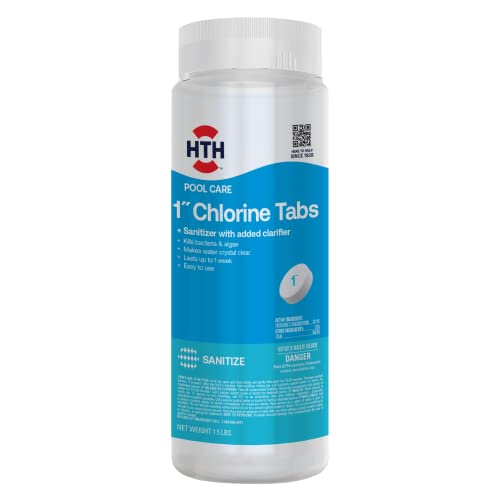
BENEFIT: Protect your swimming pool and enjoy clean, clear water with these easy-to-use chlorine-based tabs; Kills algae and bacteria
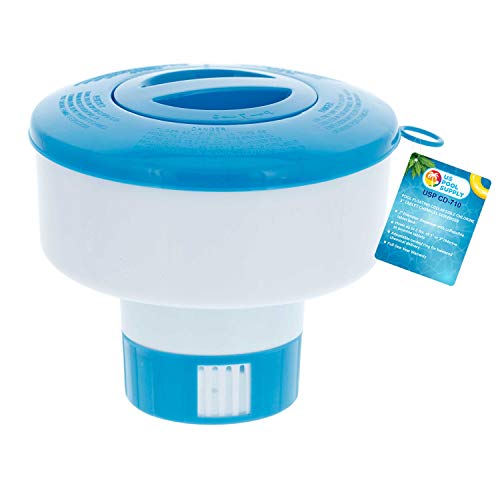
7" Diameter dispenser with collapsible tablet tank
