


Swimming in a pool can be safe for dogs if proper precautions are taken. Chlorine levels and water quality play significant roles in ensuring your dog’s safety while swimming.
Chlorine Risks for Dogs in Pools
Chlorine is commonly used in pool water to kill bacteria and maintain cleanliness. However, high chlorine levels can be harmful to dogs. Dogs can experience skin irritation, eye problems, and gastrointestinal issues if they ingest chlorinated water. Monitoring chlorine levels is essential to prevent these health risks.
Recommended Products

3-Way Water Test Kit: Save both time and money with these convenient refill packs designed specifically for your 3-way test kit. Ensure you always have the supplies you need on hand for accurate and hassle-free water testing.

AFFORDABLE 7-IN-1 POOL TESTING KIT: Our 100 pool test strips provides an affordable, all in one pool water testing kit for various chemicals including Free Chlorine, Alkalinity, pH levels and more!
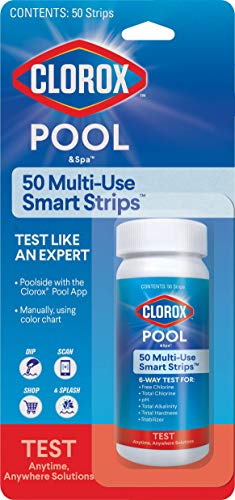
Test Like an Expert: Maintain perfectly balanced pool water with 6-Way Multi-Use Test Strips and the complimentary Clorox Pool app. The app gives do-it-yourself pool owners the tools to proudly and confidently maintain a swim-ready pool all season long.
Chlorine Sensitivity Symptoms in Dogs
Understanding chlorine sensitivity in dogs is crucial for ensuring their safety while swimming in pools. Some dogs may experience adverse reactions to chlorine, which can manifest in various symptoms. Recognizing these signs can help pet owners take appropriate measures to protect their furry companions during pool activities.
Recognizing the signs of chlorine sensitivity can help you act quickly. Symptoms may include:
-
Excessive itching or scratching
-
Red or watery eyes
-
Vomiting or diarrhea
-
Lethargy or unusual behavior
If you notice any of these symptoms after swimming, consult a veterinarian immediately.
Dog Swimming Safety Guidelines
Swimming can be a refreshing activity for dogs, but it’s essential to ensure their safety while enjoying the water. Understanding the potential risks associated with chlorine and pool environments will help pet owners make informed decisions. Here are some key guidelines to keep in mind for a safe swimming experience for your dog.
Implementing safe swimming practices can minimize risks. Here are some essential steps to follow:
-
Monitor Water Quality: Regularly test pool water for chlorine and pH levels. Ideal chlorine levels should be between 1-3 ppm.
-
Limit Swim Time: Allow your dog to swim for short periods. This helps reduce exposure to chlorine.
-
Provide Fresh Water: Always have fresh water available for your dog to drink. This can help dilute any chlorine ingested.
Recommended Products

【Anti-Sink Swimming Support Vest】This dog life jacket utilizes a high buoyancy design to deliver anti-sinking protection, allowing your dog to float stably in pools and lakes, giving them a secure swimming experience during pool and lake outings

High Buoyant Life Jacket for Dogs: Secure dog life jacket always keep your pet's head above the water with high flotation EPE filling at torso, chest and neck. This feature is especially important for dogs who aren't strong swimmers or are new to the water, providing added buoyancy and peace of mind.
【Anti-Sink Swimming Support Vest】This dog life jacket utilizes a high buoyancy design to deliver anti-sinking protection, allowing your dog to float stably in pools and lakes, giving them a secure swimming experience during pool and lake outings
Swimming Gear for Dogs in Pools
When taking your dog for a swim in a pool, it’s essential to consider their safety and comfort. The right swimming gear can enhance their experience and protect them from potential hazards. This section explores various options to ensure your canine companion enjoys the water safely.
Having the right gear can enhance your dog’s swimming experience. Consider the following items:
-
Dog Life Jacket: Provides buoyancy and safety for dogs that are not strong swimmers.
-
Water Shoes: Protects paws from rough surfaces around the pool.
-
Towels: Use absorbent towels to dry your dog after swimming to minimize skin irritation.
| Gear Item | Purpose |
|---|---|
| Dog Life Jacket | Safety and buoyancy |
| Water Shoes | Paw protection |
| Towels | Drying after swimming |
Dog-Friendly Pool Maintenance Guidelines
Maintaining a dog-friendly pool environment requires careful attention to both water quality and safety measures. By following specific guidelines, you can ensure that your pool remains a safe and enjoyable space for your canine companion. Understanding the impact of chlorine and other chemicals is essential for protecting your dog’s health while they swim.
Regular pool maintenance is crucial for a safe swimming environment. Follow these guidelines:
-
Check Chlorine Levels: Test water weekly to maintain safe chlorine levels.
-
Clean Pool Filters: Ensure filters are clean to prevent debris accumulation.
-
Remove Debris: Regularly skim the pool to remove leaves and other materials.
Chlorine-Free Pool Alternatives for Dogs
When considering safe swimming options for dogs, chlorine-free pools offer a healthier alternative that minimizes potential risks. These pools use natural filtration systems or saltwater, reducing chemical exposure while still providing a fun and refreshing environment for your pet. Exploring these alternatives can help ensure your dog’s swimming experience is both enjoyable and safe.
If you are concerned about chlorine exposure, consider alternatives. Options include:
-
Saltwater Pools: Use salt to generate chlorine naturally, resulting in lower chemical levels.
-
Natural Swimming Pools: Utilize plants and biological filters to maintain water quality without chemicals.
Supervision Guidelines for Dog Pool Safety
Ensuring your dog’s safety while swimming in a pool requires careful supervision. Understanding the specific guidelines for monitoring your pet can help prevent accidents and ensure a positive experience. This section outlines essential tips for keeping your dog safe during pool time, emphasizing the importance of attentive oversight.
Always supervise your dog while swimming. Even experienced swimmers can encounter difficulties.
