


Traveling outside the US can be safe for Americans if they take the right precautions and stay informed about global security issues. Understanding the current geopolitical climate and following safety guidelines can significantly reduce risks while traveling abroad.
Evaluating Security Risks for American Travelers
Before traveling, Americans should evaluate the security risks associated with their destination. Various factors can influence safety, including political stability, crime rates, and health concerns. Travelers must stay updated on travel advisories issued by the US State Department and other authoritative sources.
Key considerations include:
-
Current political climate
-
Crime statistics
-
Health advisories
-
Natural disaster risks
US Travel Advisory Safety Levels
Understanding the U.S. Travel Advisory Safety Levels is crucial for Americans considering international travel. These levels provide essential insights into the safety and security conditions of various countries, helping travelers make informed decisions. By examining these advisories, individuals can better assess potential risks and prepare accordingly for their journeys abroad.
The US State Department issues travel advisories that categorize countries based on their safety levels. These advisories range from Level 1 (Exercise Normal Precautions) to Level 4 (Do Not Travel). Understanding these levels helps travelers make informed decisions.
| Advisory Level | Description |
|---|---|
| Level 1 | Exercise Normal Precautions |
| Level 2 | Exercise Increased Caution |
| Level 3 | Reconsider Travel |
| Level 4 | Do Not Travel |
Travelers should check these advisories regularly, as conditions can change rapidly.
International Travel Safety Preparations
When considering international travel, it’s crucial for Americans to understand the various safety preparations necessary to ensure a secure journey. This section delves into essential steps travelers should take, from researching destinations to understanding local laws and customs, all aimed at minimizing risks and enhancing overall safety while abroad.
Preparation is crucial for ensuring safety while traveling abroad. Americans should take proactive steps to minimize risks, including securing travel insurance, registering with the Smart Traveler Enrollment Program, and familiarizing themselves with local laws and customs.
Essential preparation steps include:
-
Purchase travel insurance that covers health emergencies and trip cancellations.
-
Register with the Smart Traveler Enrollment Program to receive updates and assistance from the nearest US embassy.
-
Research local laws to avoid unintentional offenses.
Recommended Products

MADE IN THE USA: Produced in a cGMP-certified facility following strict quality and safety standards to ensure purity and consistency.*

International Health Risk Mitigation Strategies
As global travel resumes, understanding health risks becomes crucial for Americans venturing abroad. This section explores various strategies for mitigating international health risks, focusing on preventive measures and best practices. By examining these strategies, travelers can better navigate potential health challenges while ensuring a safer journey.
Traveling internationally can expose individuals to health risks. Vaccinations may be required or recommended based on the destination. Travelers should consult healthcare providers to ensure they are adequately protected.
Important health precautions include:
-
Get vaccinations as recommended for specific regions.
-
Carry a first aid kit with essential medications and supplies.
-
Stay hydrated and consume safe food and water.
Staying Safe While Traveling Internationally
Traveling internationally can be an enriching experience, but safety concerns often weigh heavily on the minds of American travelers. Understanding the current global security landscape is essential for making informed decisions about your journey. This section will explore practical strategies to enhance your safety while navigating foreign environments.
Once at the destination, Americans should remain vigilant and adapt to local conditions. Understanding cultural norms and being aware of surroundings can enhance personal safety.
Key security practices include:
-
Avoid displaying valuables such as expensive jewelry or electronics.
-
Use reputable transportation services and verify routes in advance.
-
Stay in well-reviewed accommodations in safe neighborhoods.
Recommended Products
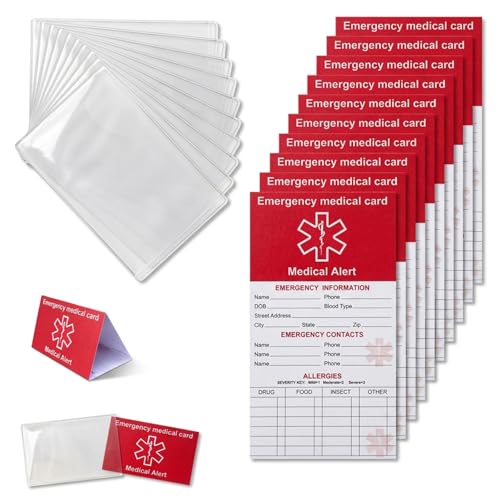
[THICK AND STURDY CARDSTOCK] The red cardstock is thick, absorbs ink well, and has no glossy coating. You can write on it with any pen

✅EMERGENCY MEDICAL INFORMATION: Wallet-sized ID cards designed to store critical health information including allergies, medications, medical conditions, and emergency contacts for first responders

Fits Perfectly in Wallet! Credit Card size: 3.5 in x 2 in x 0.04 in (85mm x 53mm x 1mm). Durable anodized Aluminum in premium quality. Only 0.04 inch thick. Won't bend in wallet.
Essential Emergency Contacts for Travelers
When traveling abroad, having a reliable set of emergency contacts is crucial for ensuring safety and peace of mind. This section outlines essential resources and contacts that every traveler should have on hand, from local emergency services to embassy information, helping Americans navigate potential challenges while exploring the world.
In case of emergencies, knowing whom to contact can be vital. Travelers should have a list of important contacts readily available, including local emergency services and the nearest US embassy or consulate.
Essential contacts include:
| Type of Contact | Information |
|---|---|
| Local Emergency Services | Dial local emergency number |
| Nearest US Embassy | Address and phone number |
| Local Law Enforcement | Non-emergency contact number |
Travelers should also have a backup plan for communication in case of lost devices.
Travelers’ Guide to Local Security Updates
As global security concerns continue to evolve, staying informed about local conditions is crucial for American travelers. This guide compiles essential updates on safety and security in various destinations, helping travelers make informed decisions and navigate potential risks while abroad. Understanding these local dynamics can enhance both safety and peace of mind during international journeys.
Staying informed about local events and changes in security conditions is crucial. Travelers should utilize news apps and local resources to remain updated on any potential threats or emergencies.
Effective strategies include:
-
Follow local news for updates on political or social unrest.
-
Join local expat groups for real-time information and support.
-
Use social media responsibly to connect with other travelers.
Travel Safety Tips for Americans Abroad
Traveling outside the United States can be an enriching experience, but it also comes with certain risks. Understanding how to navigate these challenges is crucial for ensuring personal safety. The following tips provide essential guidance for Americans looking to travel abroad confidently and securely.
Always trust your instincts. If a situation feels unsafe, remove yourself immediately.
Safety Guidelines for International Travel
Traveling outside the United States can be an enriching experience, but it also comes with certain risks. Understanding safety guidelines is crucial for ensuring a secure journey. This section outlines essential precautions and strategies to help Americans navigate international travel safely.
Traveling outside the US can be safe with proper preparation and awareness. By following these guidelines, Americans can enjoy their international experiences while minimizing risks.
