


Swimming after shocking a pool requires careful timing to ensure safety. Generally, it is safe to swim 24 hours after shocking, but this can vary based on specific conditions. Monitoring chlorine levels and following manufacturer guidelines is crucial for safe swimming.
Pool Shock Process and Safety Measures
Pool shock involves adding a concentrated dose of chlorine or other chemicals to the water. This process eliminates contaminants, including bacteria and algae, restoring water clarity and sanitation. The shock treatment raises chlorine levels significantly, which can be harmful to swimmers if they enter the water too soon.
After shocking your pool, it is essential to wait until the chlorine levels return to safe limits. The recommended safe level for swimming is typically between 1 and 3 parts per million (ppm).
Recommended Products
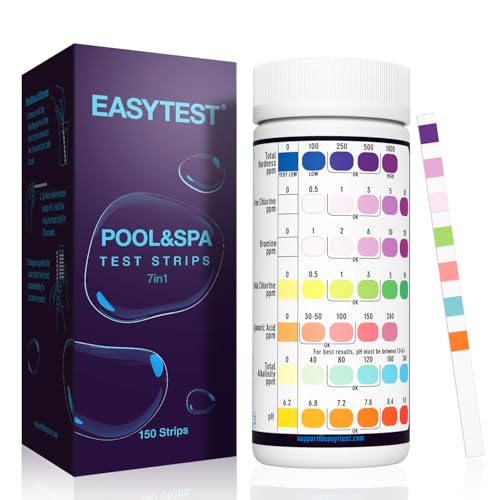
AFFORDABLE 150 STRIPS: This water chemical testing kit contains 150 test strips. Enough balanced for your swimming pool, hot tub, spa and other water testing. At least testing twice a week is recommended to keep your pool sparkling clean and safe.

✔DETECTION LEVELS: Free Chlorine 0, 1, 2, 5, 10, 20, 30, 40, 80, 120 ppm (mg/L)

Roll of approximate 15 ft.
Check Chlorine Levels Before Swimming
Before diving into the pool after a shock treatment, it’s crucial to check the chlorine levels to ensure safety. High chlorine concentrations can irritate skin and eyes, making swimming uncomfortable and potentially harmful. Understanding the appropriate waiting period and testing the water will help maintain a safe swimming environment for everyone.
Testing the chlorine levels is a critical step before deciding to swim. Use a reliable test kit or test strips to measure the current chlorine concentration.
-
Wait 24 hours after shocking before testing.
-
Aim for a chlorine level between 1 and 3 ppm.
-
Ensure pH levels are between 7.2 and 7.8 for optimal safety.
| Chlorine Level | Safety Status |
|---|---|
| 0-1 ppm | Unsafe for swimming |
| 1-3 ppm | Safe for swimming |
| 4+ ppm | Unsafe for swimming |
Swimming Safety After Pool Shocking
Understanding when it’s safe to swim after shocking your pool is crucial for ensuring the health and safety of all swimmers. This section outlines the essential guidelines for swimming after pool shocking, including the recommended waiting periods and factors that influence water safety. By following these guidelines, you can enjoy your pool while minimizing health risks.
Several factors influence how soon it is safe to swim after shocking a pool. Understanding these factors can help you make an informed decision.
-
Type of Shock Used: Different shock treatments have varying residual effects. Calcium hypochlorite may require longer wait times compared to sodium dichlor.
-
Water Temperature: Warmer water can increase chemical reactions, potentially lowering the wait time.
-
Pool Size: Larger pools may dilute the shock more effectively, allowing for quicker safe swimming.
Shock Treatment Product Instructions
Understanding the proper use of shock treatment products is crucial for maintaining a safe swimming environment. These products help to clear contaminants and improve water clarity, but following the correct instructions is essential to ensure safety after application. This section outlines key guidelines for using shock treatments effectively while prioritizing pool safety.
Always refer to the instructions provided with your shock treatment product. Each product may have specific recommendations regarding wait times and safety levels.
-
Check for specific wait times based on the product used.
-
Look for any additional safety measures recommended by the manufacturer.
-
Ensure proper ventilation if using a shock treatment that releases fumes.
Maintain Regular Pool Maintenance
Maintaining a clean and safe pool is essential for both enjoyment and health. Regular maintenance not only ensures clear water but also helps prevent accidents and chemical imbalances that can arise after shocking the pool. Understanding the importance of upkeep will enhance your swimming experience and promote safety for everyone involved.
Regular maintenance can reduce the frequency of shocking and improve overall water quality. Implementing a consistent cleaning and chemical balance routine will help keep your pool safe for swimming.
-
Clean Filters Regularly: This ensures efficient circulation and filtration.
-
Monitor pH Levels: Keep pH balanced to enhance chlorine effectiveness.
-
Regularly Test Water: Frequent testing helps maintain optimal chemical levels.
Chlorine Safety After Pool Shocking
Understanding chlorine safety after shocking your pool is essential for maintaining a healthy swimming environment. This section will clarify the necessary precautions to take before diving back in, ensuring that you and your loved ones can enjoy the water without any health risks. Knowing when it’s safe to swim can help you make informed decisions about pool use following treatment.
Swimming too soon after shocking can cause skin irritation, respiratory issues, or other health problems. Always ensure chlorine levels are safe before entering the water.
Swimming Safety After Pool Shocking
Understanding the safety protocols after shocking your pool is crucial for ensuring a safe swimming environment. This section outlines the key guidelines to follow before returning to the water, helping you protect yourself and others from potential chemical exposure. Adhering to these recommendations will enhance your pool experience while maintaining safety standards.
Understanding the timing and conditions for swimming after shocking a pool is vital for safety. By monitoring chlorine levels and following guidelines, you can ensure a safe swimming experience. Always prioritize health and safety when managing pool chemicals.
