


Thinking about a trip to New York but worried about safety? You’re not alone. Many travelers share the same concern, especially when visiting a bustling city known for its vibrant energy and diverse neighborhoods.
Key Takeaways
- Varying Safety Levels: Safety in New York City can differ significantly by neighborhood and time of day. Research specific areas to stay informed.
- Declining Crime Rates: Overall crime rates have decreased in New York City, with a notable 3% drop in violent crime reported in 2022, indicating a trend towards improved safety.
- Public Transportation: The subway and bus systems are generally safe. Travelers should remain aware of their surroundings and avoid empty subway cars, especially after dark.
- Nighttime Precautions: Stick to well-lit and populated areas when exploring at night, particularly popular tourist spots that maintain a vibrant atmosphere.
- Emergency Services Accessibility: New York City has efficient emergency services, with 911 available for urgent situations and 311 for non-emergency inquiries, ensuring help is readily accessible.
- Safety Tips for Travelers: Simple precautions—such as avoiding risky areas, staying alert, and using reputable transportation options—can significantly enhance safety during your visit.
Overview of Safety in New York
Safety in New York City varies by neighborhood and time of day. Knowing what to expect helps ease concerns.
Crime Rates
New York City’s overall crime rate has steadily declined over the past few decades. In 2022, the FBI reported a 3% decrease in violent crime. While some neighborhoods may experience higher crime rates, many areas remain safe for tourists. Neighborhoods like Manhattan’s Upper East Side and Brooklyn’s Park Slope see lower crime statistics.
Public Transportation Safety
Public transportation is generally safe and reliable. The Metropolitan Transportation Authority (MTA) operates extensive subway and bus systems. Follow these tips for a secure travel experience:
- Stay aware of your surroundings.
- Keep personal belongings close.
- Avoid empty subway cars, especially late at night.
Nighttime Safety
Exploring New York at night offers a different perspective, but safety remains a priority. Stick to well-lit streets, especially in less crowded areas. Popular neighborhoods like Times Square and Greenwich Village attract many visitors and maintain a safer environment.
Emergency Services
New York City has efficient emergency services. Police officers and EMTs are readily available. Keep emergency numbers handy, including:
- 911 for police, fire, and medical assistance.
- 311 for non-emergency services and information.
Safety Precautions
Taking simple precautions enhances safety during your visit. Here are some practical steps:
- Avoid displaying valuables in public.
- Use reputable rideshare apps or licensed taxis.
- Stay with friends or in well-trafficked areas after dark.
By familiarizing yourself with safety practices, you can enjoy all that New York City has to offer, with minimal concern.
Crime Statistics in New York
Understanding crime statistics helps you navigate safety in New York City. While crime rates vary across different neighborhoods, an overview provides clarity.
Violent Crime Rates
New York City’s violent crime rate has shown a steady decline. In 2022, there was a reported 3% drop in violent crime. Key examples include:
- Homicides: The city recorded approximately 450 homicides, down from 466 in the previous year.
- Robberies: Overall robbery incidents decreased by 7%, which equated to around 1,500 fewer reports.
This decline highlights improvements in community safety, with safer neighborhoods like Manhattan’s Upper East Side contributing to the positive trend.
Property Crime Rates
Property crime rates also reflect a downward trend. In 2022, property crimes decreased by 5% overall. Specific statistics include:
- Burglary: Reports fell to around 12,000, showing a consistent decrease over the years.
- Theft: Grand larceny numbers have dropped significantly, with roughly 15,000 fewer incidents reported.
Such trends indicate that while property crimes can still occur, areas frequented by tourists, such as Times Square and Central Park, maintain relative safety. Staying alert and aware minimizes risks, enhancing your travel experience.
Safety Tips for Travelers
Traveling to New York City can be exciting, but staying safe enhances your experience. Use these tips to navigate the city confidently.
Avoiding Risky Areas
Familiarize yourself with neighborhoods. While most areas are safe, some can feel less secure, especially at night. Avoid areas known for higher crime rates, such as parts of the Bronx at night. Stick to popular neighborhoods like Manhattan and Brooklyn, which generally have more foot traffic and better lighting.
Research local crime statistics online before your visit. Resources like the NYPD’s website provide insights into safety in different areas. If someone advises you about a specific location to avoid, take it seriously, as locals typically know best.
Staying Aware of Surroundings
Stay alert while you’re out and about. Keep your phone in your pocket when not in use, and avoid distractions from loud music or engrossing apps. Watch for changes in your environment. If the atmosphere feels uneasy, it’s best to change your route.
Walk confidently and with purpose. Look like you know where you’re headed, as this can deter potential issues. Pay attention to other people’s behavior and trust your instincts; if something feels off, leave the area.
When using public transportation, stay in well-populated cars and near exits. This allows for quick exits if necessary. Consider using the transit app for real-time updates on subway schedules and nearby stops.
By applying these tips, you’ll enhance your travel experience while exploring New York City’s vibrant neighborhoods safely.
Transportation Safety
Traveling around New York City can be done safely with the right precautions. Here’s what you need to know about transportation options in the city.
Public Transit Considerations
Public transit in New York City remains a popular choice for both locals and tourists. Subway systems offer service across five boroughs, with trains operating frequently.
- Avoid Empty Cars: Stay in populated subway cars, especially during late hours.
- Use Transit Apps: Utilize apps like Citymapper or Google Maps for real-time info and to plan your routes efficiently.
- Be Cautious During Rush Hour: While public transit is safe, larger crowds can lead to distractions. Keep personal items secure.
- Stay Aware of Surroundings: Pay attention to your surroundings, especially in busy stations.
Rideshare and Taxi Safety
Rideshare services like Uber and Lyft provide a convenient option for getting around. Traditional yellow taxis are another reliable choice.
- Verify Vehicle Details: Before getting in, check the driver’s name, photo, and the vehicle’s license plate number.
- Sit in the Back Seat: This helps maintain personal space and safety during your ride.
- Share Your Trip Info: Use the share feature to let a friend track your ride.
- Opt for Licensed Taxis: Identify licensed taxis by their medallions to ensure safety and fare adherence.
By following these tips, you can navigate New York City’s transportation system with confidence while enjoying all the city has to offer.
Health and Emergency Services
New York City provides comprehensive health and emergency services, ensuring you’re well-cared for during your visit. Understanding the local medical resources helps you feel more secure and prepared.
Recommended Products

Essential Roadside Emergency Kit: Our all-in-one car safety kit contains jumper cables, safety gloves, emergency poncho, roll duct tape, cables ties, led flash light, screwdriver, first aid kit, ensuring you're prepared for any emergency roadside crisis
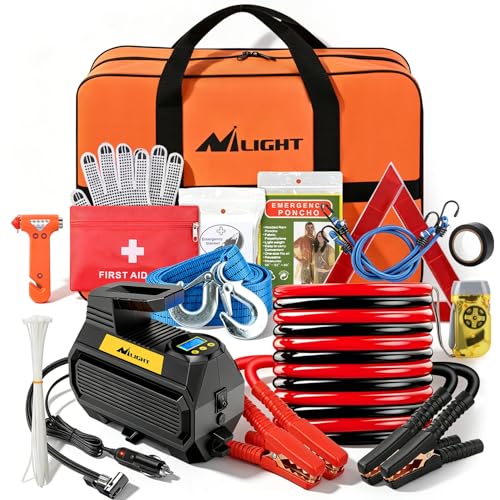
Essential Roadside Emergency Kit: Our all-in-one car safety kit contains accessories such as jumper cable, air compressor, tow rope, flash light, emergency poncho, emergency blanket, Bungee Cords, safety hammer, first aid kit and more, ensuring you're prepared for any emergency roadside crisis

Essential Roadside Emergency Car Kit: Our all-in-one car safety kit contains jumper cables, tire pressure gauge, flash light, Safety Gloves, emergency poncho, first aid kit, Ensuring you're prepared for any emergency roadside crisis
Access to Medical Care
Access to medical care in New York City is robust. With over 60 hospitals, including renowned institutions like Mount Sinai and NYU Langone, urgent care facilities are widely available. If you experience a non-emergency medical issue, consider visiting local urgent care clinics, which offer prompt treatment for minor ailments.
For emergency situations, dialing 911 connects you to police, fire, and medical services. Know your nearest hospital before heading out. Most areas, especially tourist-heavy ones, feature nearby medical facilities. Look for signs or ask locals for directions if you require assistance. Language services are often available, ensuring effective communication with healthcare professionals. Carry health insurance information if applicable, as some services might require it.
Emergency Preparedness
Emergency preparedness enhances your safety while traveling. Familiarize yourself with basic emergency protocols and keep a list of important contacts with you. This list should include hotel information, emergency services, and personal contacts in the city.
In case of natural disasters, such as hurricanes or heavy snow, follow city alerts and warnings. Subscribe to local news channels or use apps like Notify NYC to stay updated. Make sure you know the evacuation routes in your area.
Stash a portable phone charger in your bag, as power outages can occur during emergencies. Finally, learn basic first aid skills. Knowing how to handle minor injuries or illnesses can make a difference in critical situations.
Conclusion
Traveling to New York City can be a thrilling experience filled with excitement and adventure. While it’s natural to have safety concerns, knowing the facts can help ease your worries. By staying aware of your surroundings and following some simple safety tips, you can navigate the city confidently.
With a declining crime rate and reliable public transportation, you can explore vibrant neighborhoods and iconic landmarks without much concern. Remember to enjoy the energy of the city while keeping your safety in mind.
So pack your bags and get ready to create unforgettable memories in the Big Apple. You’re in for a fantastic journey!
Frequently Asked Questions
Is New York City safe for tourists?
Yes, New York City is generally safe for tourists. While safety levels can vary by neighborhood and time of day, the overall crime rate has steadily declined, with a reported 3% decrease in violent crime in 2022. Popular areas like Manhattan’s Upper East Side and Brooklyn’s Park Slope are considered particularly safe.
What are some safety tips for traveling in New York City?
Travelers should stay aware of their surroundings, avoid displaying valuables, and stick to well-lit and populated areas, especially at night. It’s also recommended to use reputable transportation options, familiarize yourself with neighborhoods, and utilize public transit during peak hours to enhance safety.
How safe is public transportation in New York City?
Public transportation in New York City is generally safe and reliable. However, travelers should avoid empty subway cars at night and stay alert during their journey. Using transit apps for real-time updates can also enhance the safety of navigating the subway system.
What should I do in an emergency while in the city?
In case of an emergency, dial 911 for immediate assistance. It’s essential to familiarize yourself with local emergency services and know your nearest hospital. Keeping a list of important contacts and being aware of basic emergency protocols can help you respond effectively.
Are there areas in New York City I should avoid?
While most tourist areas are safe, it’s advisable to avoid known risky neighborhoods, especially after dark. Do some research on neighborhoods before visiting and opt for well-populated locations to ensure a safer experience.
