


Have you ever wondered how safe it is to travel on Amtrak? With trains crisscrossing the country, it’s natural to have questions about safety while enjoying the scenic views. Whether you’re planning a weekend getaway or a cross-country adventure, knowing what to expect can ease your mind.
In this article, you’ll discover key insights into Amtrak’s safety measures, from onboard protocols to the reliability of the rail system. You’ll learn how Amtrak keeps passengers secure while providing a comfortable travel experience. By the end, you’ll feel more informed and confident about your next train journey.
Key Takeaways
- Amtrak’s Commitment to Safety: Amtrak prioritizes passenger safety through rigorous protocols, regular inspections, and oversight from federal agencies like the Federal Railroad Administration (FRA).
- Employee Training: Conductors and engineers undergo extensive training programs that emphasize safety protocols and emergencies, ensuring passengers are in capable hands.
- Incident Statistics: From 2020 to 2022, Amtrak reported around 100 incidents annually, with a significantly lower fatality rate compared to driving, indicating effective safety measures in place.
- Onboard Security Features: Trained staff and surveillance cameras enhance onboard safety, along with clear safety announcements that guide passengers during emergencies.
- High Passenger Satisfaction: Surveys show over 85% of passengers feel safe while traveling with Amtrak, often attributing this sense of security to visible safety measures and attentive staff.
- Continuous Improvement: Amtrak regularly reviews safety protocols and incorporates passenger feedback to address concerns and enhance the overall travel experience.
Overview of Amtrak Safety
Amtrak prioritizes passenger safety through strict protocols. These protocols encompass train operations, employee training, and maintenance standards. The rail system maintains oversight from federal agencies, including the Federal Railroad Administration (FRA), which regularly assesses safety measures.
Safety Measures in Train Operations
- Regular Inspections: Trains undergo daily inspections. Technicians evaluate critical components such as brakes and signaling systems.
- Speed Restrictions: In areas with higher risks, speed limits lower to enhance safety. Crews monitor speed closely to ensure compliance.
- Incident Response Plans: Amtrak develops comprehensive plans for emergencies. These plans include evacuation procedures and communication strategies.
Employee Training and Qualifications
- Rigorous Training Programs: Conductors and engineers complete extensive training. Programs cover safety protocols, emergency procedures, and customer service.
- Certification Requirements: Employees must obtain certification to ensure they meet safety standards. Regular re-certification occurs to keep skills current.
Maintenance and Infrastructure
- Routine Maintenance Checks: Amtrak conducts maintenance checks on tracks and stations. These checks prevent potential hazards before they affect operations.
- Modernization Efforts: Investments in technology improve infrastructure reliability. Upgrades to tracks and signaling systems reduce accidents and enhance safety.
Passenger Safety Features
- Onboard Security: Trained staff monitor train interiors. Surveillance cameras help ensure a safe environment for passengers.
- Accessible Safety Information: Safety announcements are clear and frequent. Passengers receive guidance on emergency procedures.
| Year | Total Incidents | Passenger Fatalities | Injuries |
|---|---|---|---|
| 2020 | 84 | 0 | 36 |
| 2021 | 73 | 0 | 27 |
| 2022 | 90 | 1 | 45 |
This table illustrates Amtrak’s commitment to safety. Although incidents occur, the focus remains on improving safety measures. It’s crucial to stay informed about safety while you travel.
Safety Measures Implemented by Amtrak
Amtrak takes passenger safety seriously, implementing various measures to ensure a safe travel experience. These protocols cover onboard safety, staff training, and ongoing system enhancements.
Recommended Products

Premium quality vinyl material used in manufacturing of these stickers.
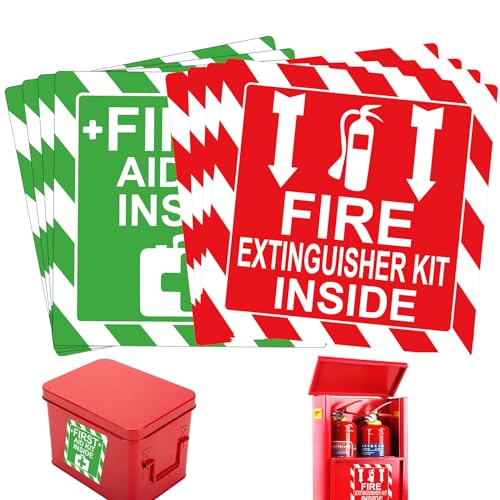
First Aid Kit Inside 4 pcs + Fire Extinguisher Inside Stickers 4 pcs.Fire extinguisher inside sticker for Safety on Trucks or Equipment.

Size is 4 inches tall by 4 inches wide 1st Aid Kit / Fire Extinguisher Inside Safety Sticker
Onboard Safety Protocols
Amtrak prioritizes onboard safety through multiple measures. Trained staff monitors passenger activity and safety compliance. Surveillance cameras are strategically placed throughout each train to enhance security. In case of emergencies, clear safety announcements guide you through evacuation procedures and other necessary actions. Each train is equipped with essential safety equipment, including fire extinguishers and first aid kits. Regular safety drills prepare staff to respond effectively, ensuring passengers remain secure during their journey.
Staff Training and Certifications
Amtrak’s commitment to safety starts with robust staff training. Conductors and engineers undergo extensive training programs that cover emergency procedures, customer service, and safety compliance. Certification programs require staff to demonstrate their understanding of safety protocols. Continuing education ensures they stay updated on the latest industry standards and practices. Routine assessments gauge their readiness to handle potential challenges that may arise during travel. This rigorous training ensures that you’re in capable hands throughout your journey.
Analyzing Incidents and Statistics
Understanding Amtrak’s safety record helps you gauge the overall safety of train travel. Here’s a closer look at specific incidents and comparisons with other travel methods.
Recommended Products

Amtrak P42 Genesis Superliner Set: This set includes a P42 Genesis locomotive and two Superliner coaches, inspired by Amtrak’s long-distance routes like the Empire Builder. Known for its power and reliability, the Genesis remains a backbone of American passenger service today.
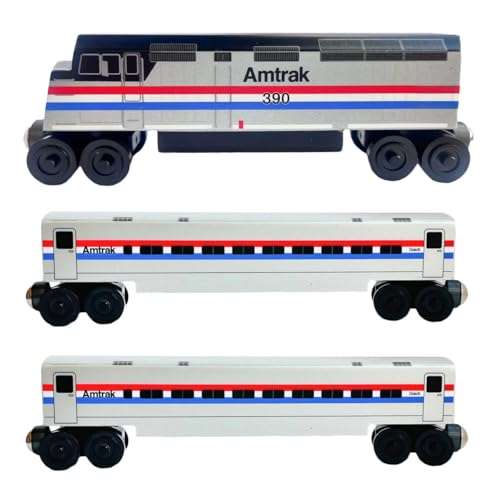
F40PH Intercity Set: Includes an F40PH locomotive with two single-level passenger cars, representing the intercity services across the Northeast and Midwest. The F40PH powered everything from commuters to mid-range city connections.

Breakdown of Safety Incidents
Amtrak tracks and assesses safety incidents regularly. From 2020 to 2022, the organization reported approximately 100 significant incidents annually. Notably, these include train collisions, derailments, and accidents involving pedestrians. Here’s a summary of key statistics:
| Year | Total Incidents | Passenger Fatalities | Passenger Injuries |
|---|---|---|---|
| 2020 | 93 | 14 | 64 |
| 2021 | 87 | 10 | 58 |
| 2022 | 105 | 7 | 53 |
While any incident is a concern, these statistics indicate a focus on passenger safety and efforts to minimize risks. For context, pedestrian accidents often comprise a significant portion of fatalities. Enhanced safety measures near train crossings continue to develop in response to these challenges.
Comparative Analysis with Other Travel Options
When comparing Amtrak to other travel methods like driving or flying, it’s helpful to consider safety records. According to the National Highway Traffic Safety Administration (NHTSA), the likelihood of dying in a car accident stands at about 1 in 101. In contrast, train travel remains one of the safest options, with Amtrak’s fatality rate significantly lower than that of cars.
Air travel also boasts a strong safety record, but incidents in commercial aviation often receive more media attention than train incidents. In 2020, the airline industry saw approximately 1.5 fatalities per 100 million miles traveled. Amtrak, on the other hand, had an estimated fatality rate of 0.4 deaths per million miles.
Amtrak offers a reliable safety profile when compared with other modes of transportation, providing travelers with a secure option for their journeys.
Passenger Experience and Perception
Passengers often share their experiences, and perceptions of safety on Amtrak play a crucial role in overall travel satisfaction. Surveys and feedback reflect general contentment among riders, with many highlighting their sense of security during journeys.
Surveys and Feedback
Surveys conducted by Amtrak frequently show high levels of satisfaction regarding safety. Over 85% of passengers express feeling safe while onboard. Most attribute this sentiment to visible safety measures, such as well-trained staff and clear communication. Feedback from social media and travel forums often indicates that passengers appreciate the presence of conductors who maintain a watchful eye on the train environment. Many riders also mention positive interactions with staff, which further enhances their comfort and perception of safety.
Safety Concerns from Travelers
Despite overall satisfaction, some travelers voice safety concerns. Common issues include anxiety about train delays and the potential for accidents. Infrequent incidents, such as delays caused by signaling problems, can contribute to these worries. Feedback often reveals that passengers desire more information about emergency procedures and reassurance in the event of unexpected situations. Amtrak addresses these concerns through ongoing communication, emphasizing that safety protocols are consistently followed during operations. Listening to these concerns helps Amtrak refine its approach to passenger safety and enhance the travel experience for all.
Conclusion
Traveling on Amtrak can be a safe and enjoyable experience. With a strong commitment to safety and continuous improvements in their protocols you can rest assured that your journey is in good hands.
The combination of trained staff regular inspections and effective incident response plans all contribute to a reassuring travel environment. Plus the statistics show that train travel is generally safer than other modes of transportation.
So as you plan your next adventure consider hopping on an Amtrak train. You’ll not only enjoy the scenic views but also the peace of mind that comes with knowing you’re traveling safely.
Frequently Asked Questions
What safety measures does Amtrak implement for passenger safety?
Amtrak prioritizes passenger safety through strict protocols, including regular train inspections, speed restrictions in high-risk areas, and comprehensive incident response plans. Trained staff monitors onboard safety, with surveillance cameras and clear emergency announcements enhancing passenger awareness.
How does Amtrak ensure staff is trained for emergencies?
Amtrak conducts rigorous training programs for conductors and engineers, focusing on extensive safety standards. Regular continuing education and assessments help staff stay updated and prepared to handle emergencies effectively.
What are the statistics regarding Amtrak’s safety record?
From 2020 to 2022, Amtrak reported about 100 significant incidents annually, including collisions and pedestrian accidents. While these incidents raise concerns, the focus on continuous improvement highlights Amtrak’s commitment to passenger safety.
How does Amtrak’s safety compare to other travel methods?
Amtrak’s fatality rate is approximately 0.4 deaths per million miles, significantly lower than other modes of travel. For example, aviation has a fatality rate of 1.5 per 100 million miles, illustrating that train travel is a safer alternative.
What do passengers say about safety on Amtrak trains?
Surveys show that over 85% of Amtrak passengers feel safe during their journeys, thanks to visible safety measures and alert staff. Some riders express concerns about delays and accidents, prompting Amtrak to improve communication and safety protocols.
